This is part of our Spatial Design blog series, where we explore the magic behind creating immersive environments. Stay with us as we delve deeper into the world of spatial design!
Spatial design isn’t just for theme parks or large-scale attractions. Its principles and techniques extend into museums, immersive experiences, and even brand activations, where storytelling and audience engagement are just as critical. These spaces may not have roller coasters or animatronics, but they rely on the same core idea: creating environments that immerse people in a narrative, evoke emotions, and leave lasting impressions.
Museums are perhaps one of the most traditional yet innovative examples of spatial design. A museum isn’t just a place to display artefacts it’s a space where history, science, and culture come alive. A well-designed museum guides visitors through a story, creating a logical yet engaging flow that ensures they absorb the narrative in a meaningful way.
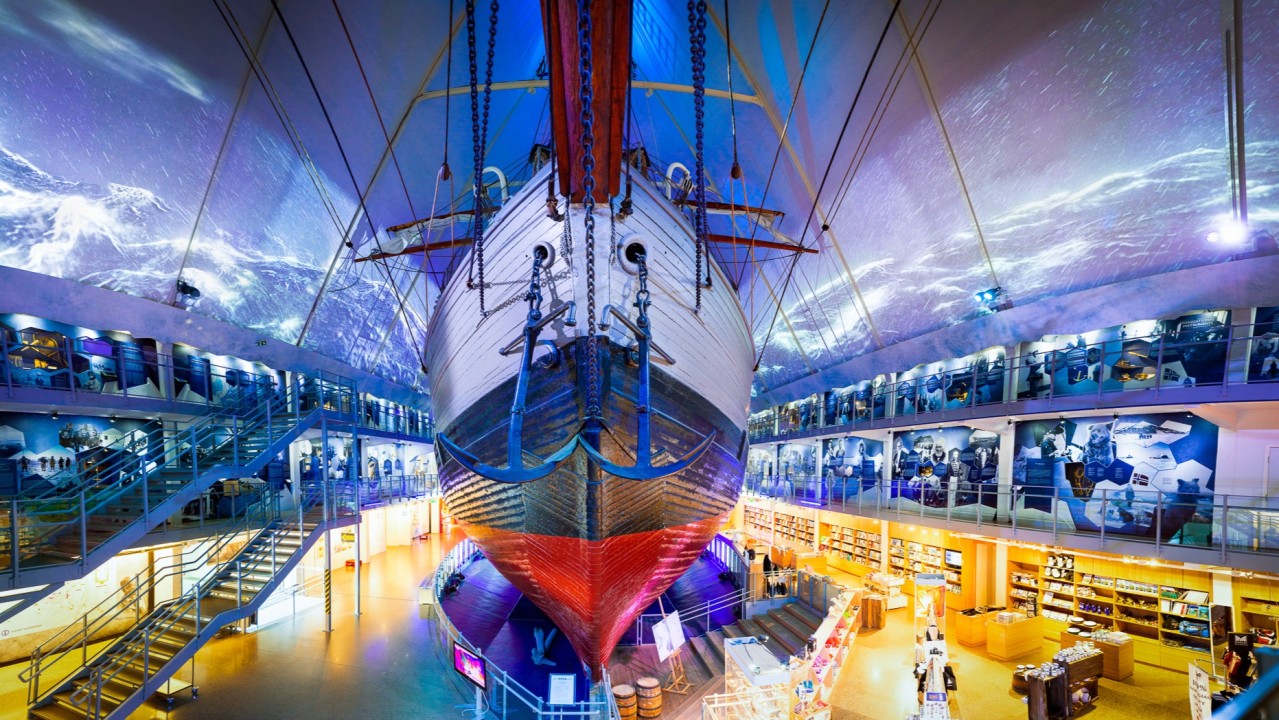
Take theFram Museumin Oslo, Norway. This museum doesn’t simply showcase a historic ship it transforms it into an experience. Visitors are immersed in the story of the Fram’s journey to the South Pole, with a simulated storm that’s so realistic, some guests instinctively brace themselves as the floor rumbles and the lights flicker. Inside the ship, wax figures, strategic lighting, and point-source audio recreate scenes from its heyday, making visitors feel as though they’ve stepped back in time. The design doesn’t just inform it transports.
Inside the Fram
But spatial design in museums isn’t always about spectacle. Sometimes, it’s about subtlety guiding visitors through exhibits in a way that feels natural and intuitive. Signage, lighting, and pathways all play a role in ensuring that visitors can navigate the space without feeling overwhelmed or confused. It’s about creating an environment where the story flows seamlessly, with each exhibit building on the last.
Then there are immersive experiences like escape rooms or brand activations, where spatial design takes on a more sensory role. These environments often involve tricking the senses, creating illusions that make people believe they’re somewhere they’re not. For example, theCall of Duty activationfor Three used earthquake transducers, sound effects, and lighting to convince guests they’d ascended five storeys in a lift, when in reality, they hadn’t left the basement. The result? An unforgettable experience that blurred the line between reality and fiction.
Call of Duty: Modern Warfare - Product Launch Activation
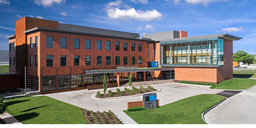
One of the most exciting projects showcasing spatial design’s ability to transform spaces isRoom on the Broom - A Magical Journey, located in Burnt Stub Mansion. This historic building, dating back to 1348, posed unique architectural challenges, such as low ceilings and immovable beams. However, through clever use of lighting, graphics, and interactive elements, the attraction overcame these constraints to create an expansive and immersive experience. Visitors are guided through the enchanting world of Julia Donaldson’s beloved story, with every detail designed to bring the narrative to life. From the whimsical sets to the interactive storytelling elements, this attraction is a testament to how spatial design can breathe new life into historic spaces.
Room on the Broom - A Magical Journey
Brand activations are another fascinating application of spatial design. These temporary installations often have to convey a message or tell a story in a short amount of time, making spatial design crucial. From pop-up shops to experiential marketing events, these spaces rely on every detail colours, textures, lighting, and sound to create an atmosphere that resonates with visitors and reinforces the brand’s identity.
Google/ Argos 'Smart' Houseboat
What ties all these examples together is the idea that spatial design is about more than just aesthetics. It’s about creating environments that connect with people on a deeper level, whether they’re learning about history, solving a puzzle, or engaging with a brand. It’s about crafting spaces that aren’t just seen, but felt, spaces that tell stories, spark emotions, and leave lasting impressions.
Thanks for joining us on this journey through spatial design! Stay tuned for the next post in our series, where we’ll explore The Tech Revolution, how modern technology affects spatial design.
Xchange Advocates are recognized AV/IT industry thought leaders and influencers. We invite you to connect with them and follow their activity across the community as they offer valuable insights and expertise while advocating for and building awareness of the AV industry.