"We are no longer in the business of selling technology." At PIFA 2025, I moderated a panel on the New AV Customer. We explored why buyers now seek outcomes over specs and how to sell trust, stories, and partnerships. Here are the key insights from industry leaders on navigating this shift.
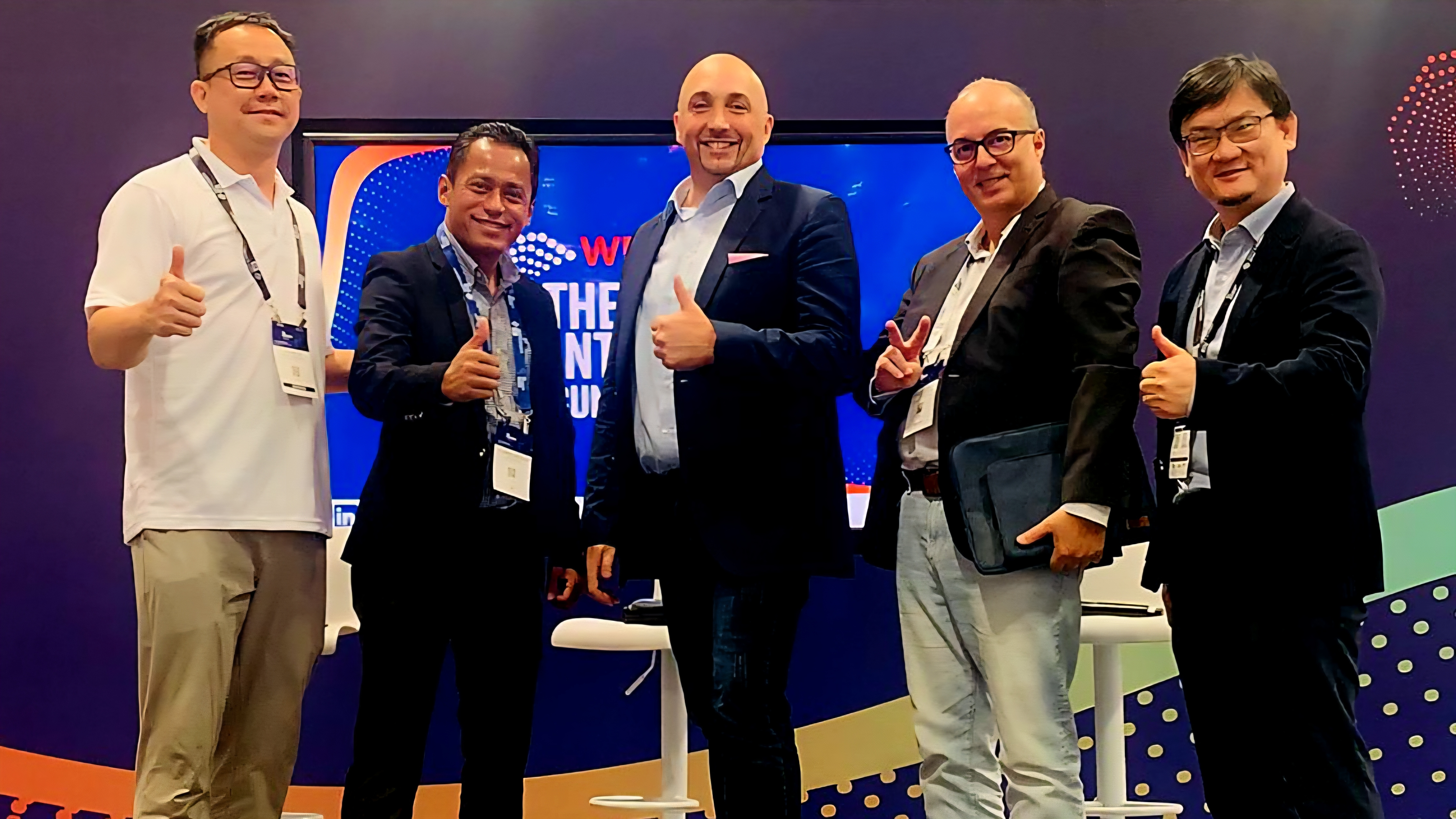
Fresh off the floor atPro Integration Future Asia, I had the privilege of moderating a fascinating panel at theFuture of Integration SummitatMarina Bay Sands. The topic was "The New AV Customer:Selling Smarter In a High-Expectations World."
I want to extend a generous thank you to my fellow panelists for the insightful discussion:Alvin Tanof HDC LED Display Asia,Ambran Abu Bakarof SCAVAI Alliance,Jean-Pierre Bousquetof LanceFlare, andShin WeYeowof Anewtech Systems.
I opened the session with a statement that I know can be shocking: "We are no longer in the business of selling technology".
The Customer Has Changed. Have You?
For decades, the Audio-Visual industry defined itself by "the brightest projector, the clearest speaker". The conversation was all about specifications. Today, that conversation is irrelevant. Our job is now to design next-generation spaces that are, above all,human-centric by design.
The core of our discussion centered on a fundamental shift. Our customer is no longer just the AV manager. We are now selling to CIOs, Chief Human Resources Officers, CFOs, and even University Deans.
These new buyers don't buy technology; they buy outcomes. They don't buy a video bar; they buy aproductive hybrid work culture. They don't buy a display; they buy anactive learning environment.
And as I noted, this new buyer is on a new journey. By the time they contact your sales team, they are already70% to 80%down the path. They have done their own research. They come to us already knowing what they think they want.
Our role is no longer to pitch products. It is to navigate complexity and guide them toward a real, working strategy. Based on the insights from the panel, here is the new framework for how we must sell:
1. Sell Trust, Not Just Tech
Alvin Tan made an excellent point about the word "immersive". It's often used as a gimmick, but it's subjective. To move past "pixels and price" , we must understand the application and the emotional attachment the client wants to achieve.
The hardware, whether it's a state-of-the-art display, is just one part of a complexecosystem. The only way to build that ecosystem is throughintegrationand, as Alvin noted,trust. The new customer needs a trusted partner who can be honest about what can and cannot be done.
2. Sell the Story, Not the Specs
Ambran Abu Bakar highlighted that in this new world, the "technology shootout" is dead. The most compelling demo is thestory. When designing for massive, complex projects like smart cities, the technology is secondary to the human experience.
Ambran's team starts by mapping "a day in the life of a janitor" or a CEO. They sell the "soft ROI" first. They get the client to buy the story. Only then do they discuss the budget whether it's a "Toyota budget or a BMW budget". We must sell the human outcome before we ever mention a model number.
3. Sell a Partnership, Not a Product
This new, highly-educated customer is not looking for a transaction. Jean-Pierre Bousquet noted that post-COVID, buyers demand two things:flexibilityandengagement. They want flexible payment terms, but more importantly, they want to know you are in this for the long haul.
They want to see your5-year roadmap. They are making a multi-year investment and need to know you will be there to support, grow, and evolve with them. They are not buying a product; they are vetting a long-termpartnership.
4. Sell Augmentation, Not Just AI
AI is the trend dominating every conversation. But as I often say, many are "buying features, not a real, working strategy". Yeow Shin We provided the perfect strategic frame: AI must be pitched ashuman augmentation, not replacement.
He shared how his team focuses onjob redesign. The sales associate is retrained to become the expert who trains the AI perfume expert. This transforms the technology from a threat into a collaborative tool. As Shin We said, AI gives us the ability to add "human sensory capabilities" to our spaces, delivering true, "personalized" experiences. That is the strategy, not the feature.
Our New Mandate
The panel's discussion provided a clear answer to the critical questions I posed at the start. The old conversation about "specs" is irrelevant. The new mandate is to lead with human-centric outcomes.
My closing summary was this: The future of our industry is not about the technology we sell, but about thehuman problems we solve.
This is how we shift our process:
We stop selling "a video bar" and start selling "a productive hybrid work... culture". We do this by moving beyond specifications and telling the story of the human experience, as Ambran noted.
We become trusted guides for the new buyerwho arrives "70-80% of the way to a decision". Our value is not in pitching products they've already researched, but in building the long-term trust (Alvin) and partnership (Jean-Pierre) they need to navigate complexity.
We answer to the new C-Suite buyerssuch as the CIOs, CHROs, COOs and CFOs. We prove the "return... on experience" by demonstrating how AI acts as a human augmentation (Shin We), not just a feature.
We must evolve from tech suppliers intobusiness advisors and translators. It is no longer about the specs. It's about thestory, the trust, the partnership, and theHuman Experience.
I'd love to hear your take in the comments.What's the one "human outcome"you find yourself sellingmost often, instead of a "technology feature"?
Xchange Advocates are recognized AV/IT industry thought leaders and influencers. We invite you to connect with them and follow their activity across the community as they offer valuable insights and expertise while advocating for and building awareness of the AV industry.