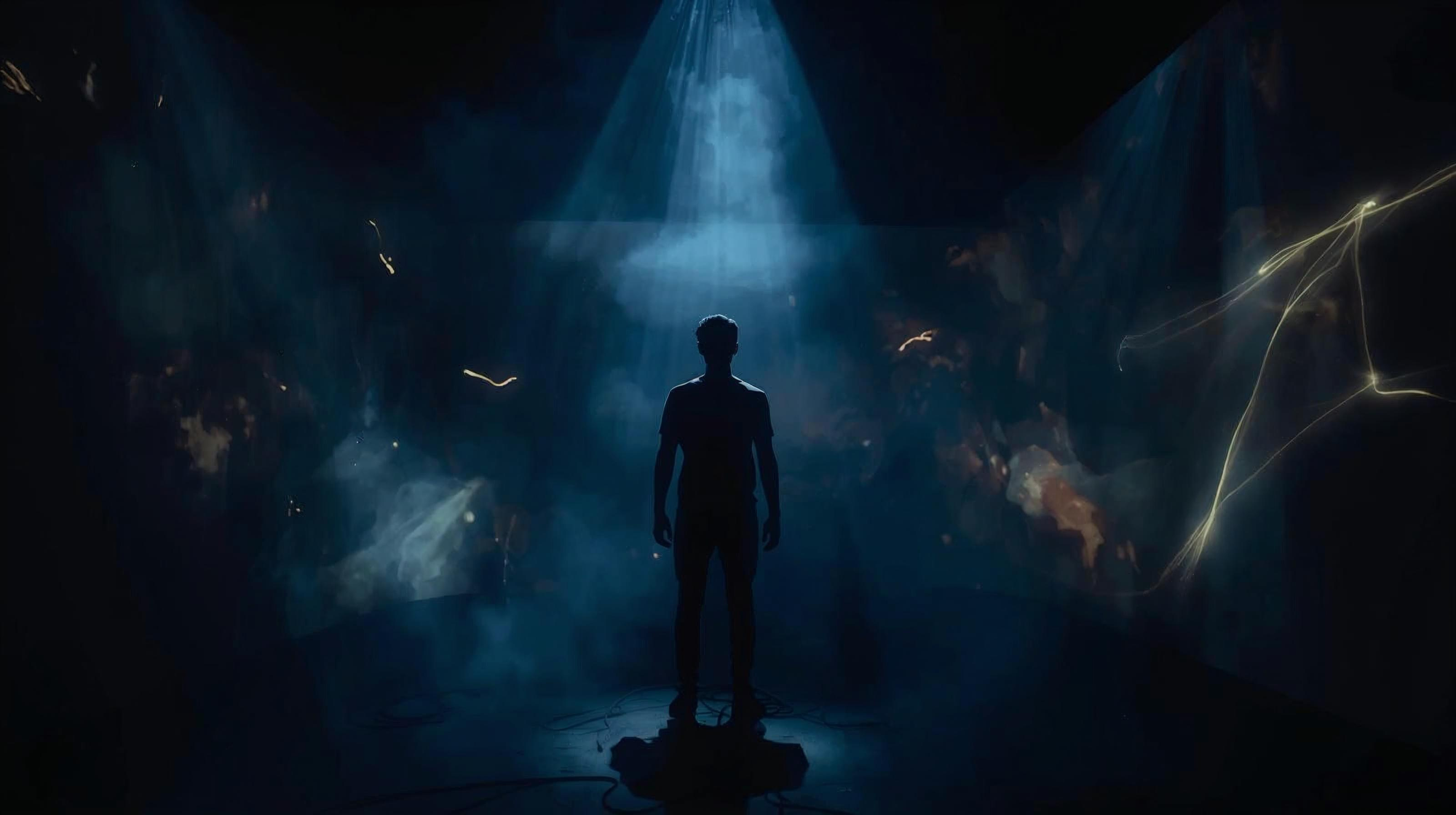
For a long time, immersive experiences were defined by spectacle. Bigger screens signalled ambition, higher resolution implied quality, and more channels, speakers, and systems suggested sophistication. As an industry, we chased the things that were easy to point at; the visible markers of progress that could be rendered, photographed, and compared. For a while, that made sense.
But somewhere along the way, that logic stopped holding up.
Today, the immersive projects that truly succeed are rarely the ones shouting loudest about their technology. They’re the ones confident enough not to. Instead of chasing attention, they earn something far more valuable: trust. The baseline technology is already extraordinary. Laser projection is expected. LED walls are commonplace. Real-time engines, spatial audio, tracking systems, and sensors are no longer novel, they’re simply the tools of the trade. What’s changed is not what’s possible, but what matters.
Audiences don’t remember spec sheets. Clients don’t judge success by part numbers. And operators don’t care how elegant a system is when something goes wrong late at night and the space still needs to open the next morning. What they care about is simple and unforgiving: does the experience work reliably, emotionally, and consistently day after day?
That’s where immersion actually lives. Not in headline features, but in decisions most people never see.
The most important choices in an immersive project rarely make it into the renders. They happen early, quietly, and often uncomfortably. Choosing slightly less resolution to gain long-term stability. Designing redundancy that no guest will ever notice. Simplifying control layers so frontline staff feel confident rather than overwhelmed. Pacing content around human attention instead of hardware limits. Saying no to features that look impressive but dilute the story or complicate operations. None of this photographs well, and none of it wins applause on opening night, but it’s the difference between an experience that constantly needs saving and one that quietly earns confidence from everyone who touches it.
Trust, in immersive design, isn’t abstract. It’s operational, emotional, and cumulative, built decision by decision over time.
One of the most common mistakes I see is treating opening night as the finish line, when in reality it’s barely the starting point. By year three, the context has shifted. Staff have moved on. Budgets are tighter. Technology has aged. The novelty has worn off. If an experience still feels compelling at that point, it wasn’t luck, it was designed that way. True immersion isn’t fragile. It doesn’t rely on constant intervention to stay impressive; it holds together under repetition, wear, and real-world use.
This is where storytelling becomes the anchor. Technology enables immersion, but storytelling sustains it. When narrative intent leads the process, technology choices become clearer, complexity gains purpose, and guests feel guided rather than overwhelmed. The experience develops rhythm, restraint, and emotional coherence. When technology leads without story, experiences age quickly. They feel impressive at first, then hollow, as the machinery demands attention instead of disappearing into the background.
Immersion should never ask the audience to admire the systems that power it. It should invite them to forget those systems exist altogether.
Looking ahead, the future of immersive design won’t be defined by what is technically possible, but by what is appropriate. The designers and studios who thrive will be the ones who know when to push technology and when to restrain it; who design for operations as much as spectacle; who treat trust as a design material rather than a happy by-product; and who build systems that empower people instead of intimidating them.
Because the most meaningful compliment an immersive experience can receive is not, “How did you do that?”, but something far quieter: “I didn’t even think about the technology. I was just… there.”
At Blue Alchemy Labs, this way of thinking sits at the core of how we work. We operate at the intersection of story, technology, and long-term reality, designing immersive environments that are emotionally engaging, technically honest, and operationally resilient. We’re not interested in experiences that peak on opening night and quietly struggle six months later. We focus on work that can be operated, maintained, and trusted by the people who run it every day, which means asking difficult questions early about longevity, failure modes, operational clarity, and narrative intent, and embedding the answers into the design rather than patching them on later.
True immersion doesn’t come from piling on more technology. It comes from clarity of intent, restraint in execution, and decisions made with the future firmly in mind.
That’s the alchemy, and in the end, immersion isn’t about more tech, it’s about better decisions, and earning trust you never have to explain.
Xchange Advocates are recognized AV/IT industry thought leaders and influencers. We invite you to connect with them and follow their activity across the community as they offer valuable insights and expertise while advocating for and building awareness of the AV industry.