This is part of our Spatial Design blog series, where we explore the magic behind creating immersive environments. Stay with us as we delve deeper into the world of spatial design!
Spatial design is the silent hero of the spaces we inhabit. It’s the unseen character that shapes how we feel, interact, and remember the environments we move through. It’s not just about arranging physical spaces. It’s about crafting experiences that evoke emotions. These experiences tell stories and create memories that last a lifetime. Spatial design is both an art and a science, focusing on the relationship between architecture, design, and people.
This relationship is pivotal. As The Royal Danish Academy puts it, spatial design “focuses on the relationship between architecture, design, and people.” It’s not just about how a space looks, but how it feels. It’s about the way light filters through a room. It’s about the textures underfoot. It’s about the sounds that guide you and the stories told through every element of the design. These details work together to create environments that are not only functional but deeply human.
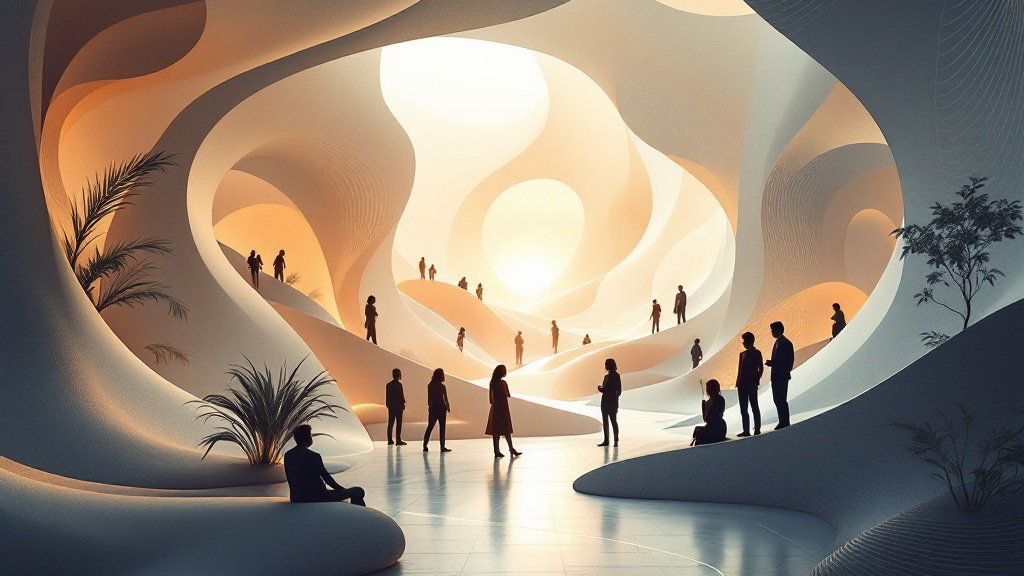
Imagine walking into a space where every detail speaks to you. The lighting sets the mood, the textures draw you in, and the sounds transport you to another world. That’s the power of spatial design. It’s what makes a theme park feel magical. It makes a museum feel inspiring. An immersive experience feels like stepping into another dimension.
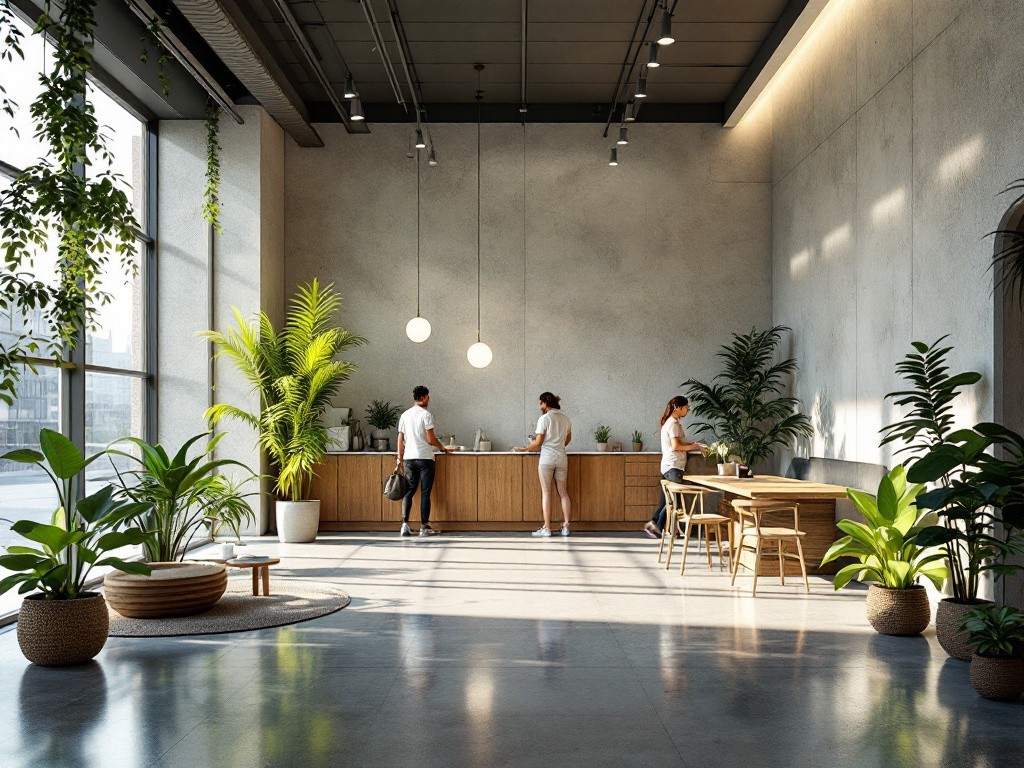
But spatial design isn’t just about grand, immersive experiences. It’s in the everyday spaces too. It’s in the way an office layout can promote collaboration. It’s in the way a hospital room can feel comforting. It’s also in the way a public park can invite relaxation. It’s about creating spaces that enhance human experiences, no matter the context.
Take museums, for instance. A well-designed museum doesn’t just display artefacts, it transports you. It invites you to step into the past, explore the present, or imagine the future. Similarly, in theme parks, spatial design is what makes you believe you’ve stepped into a fairy tale kingdom or a galaxy far, far away. It’s the magic that makes the fantastical feel real.
As technology evolves and our understanding of human behaviour deepens, spatial design continues to push boundaries. It’s a field that’s constantly growing, adapting, and innovating. And at its heart, it’s always about people, how they move, feel, and connect with the spaces around them.
Spatial design is also deeply human. It considers how people move through spaces, how they interact with their surroundings, and how those spaces make them feel. It’s a discipline that’s constantly evolving, driven by advances in technology and changing human needs. Whether it’s a bustling theme park, a serene museum, or a futuristic immersive experience, spatial design shapes how we see and feel the world around us.
Thanks for joining us on this journey through spatial design! Stay tuned for the next post in our series, where we’ll explore Theme Parks and the Art of Immersion!
Xchange Advocates are recognized AV/IT industry thought leaders and influencers. We invite you to connect with them and follow their activity across the community as they offer valuable insights and expertise while advocating for and building awareness of the AV industry.