AV Truth: When AV Meets Infrastructure


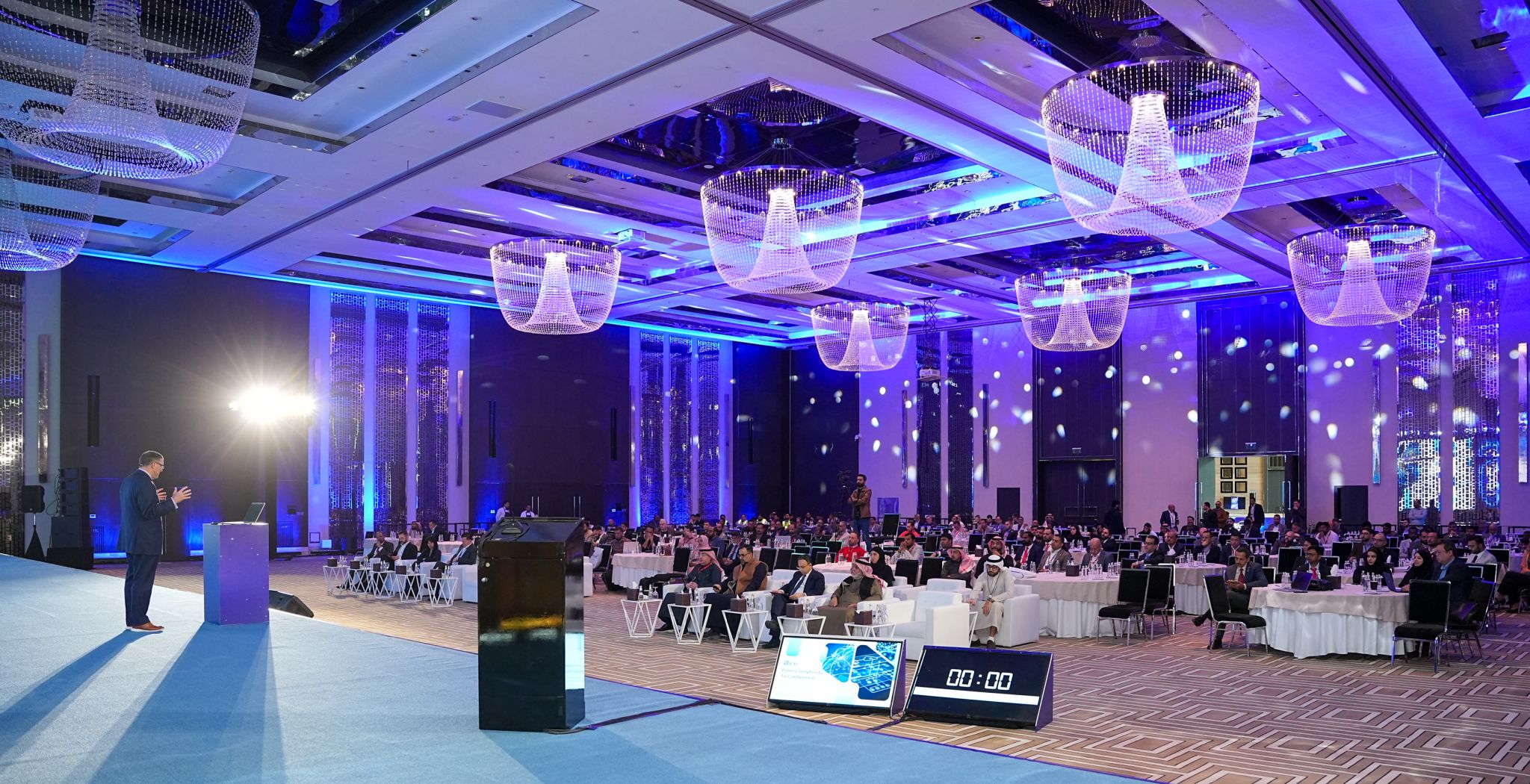
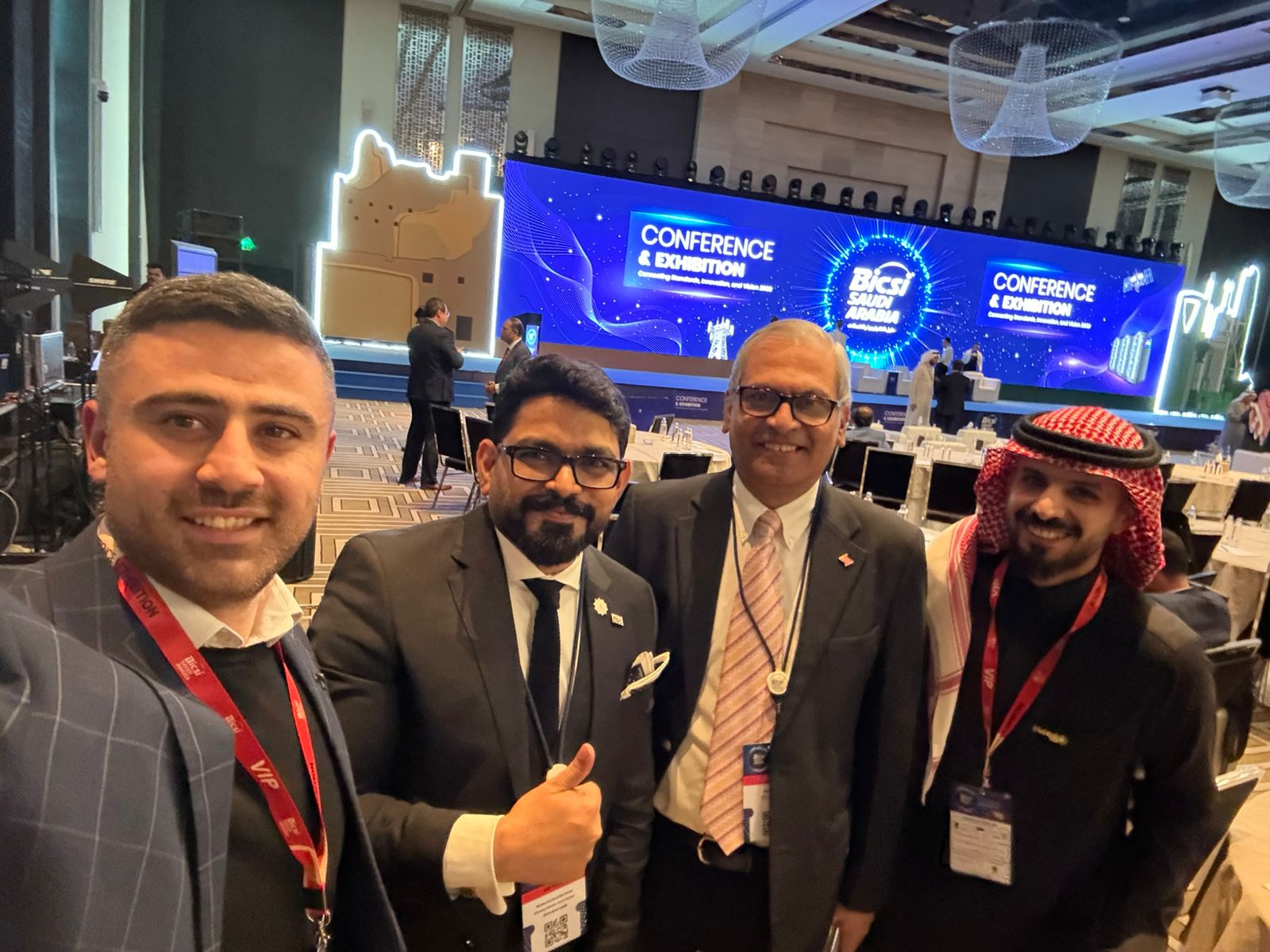
Last week, attending the first BICSI Saudi Arabia conference felt less like a traditional industry event and more like a checkpoint moment for where our industry is heading. As an AV professional and an active member of the AVIXA community, what stood out wasn’t just the technologies discussed, AI, data centers, fiber, power, and security, but how naturally these conversations aligned with challenges we already face in the audiovisual world. The lines between AV, ICT, and data center infrastructure are no longer blurred, they are disappearing. And this event made one thing clear: the future of AV will be built by professionals who understand systems, not silos, through stronger collaboration between organizations like BICSI and AVIXA.
What Resonated with Me
What I personally found most valuable was how AV was not treated as an isolated discipline, but as an integrated part of a much larger digital ecosystem. Discussions around AI, data centers, power distribution, fiber infrastructure, and standards compliance repeatedly reinforced a reality many of us already experience on projects:
AV performance today is directly dependent on network design, power strategy, cooling, and structured cabling decisions.
From an AV delivery perspective, this mirrors what we see on real projects, when AV is brought in late, disconnected from ICT and data center planning, systems struggle. When AV is part of early infrastructure conversations, solutions scale, perform, and last.
From "AV Systems" to "Digital Infrastructure"
Several sessions highlighted something I strongly believe in: AV professionals must think beyond endpoints. Displays, speakers, cameras, and control systems are only the visible layer. What truly defines success today is what sits behind them, interconnect technology, power resilience, cybersecurity, and data center readiness.
Hearing global leaders discuss these topics from an ICT and data center lens reinforced how much overlap already exists with AVIXA principles: documentation, standards, commissioning, lifecycle thinking, and user experience. The difference is no longer what we do; it’s how early we get involved.
Why This Conversation Fits the Saudi's Direction
Saudi Vision 2030 is fundamentally about digital transformation, sustainability, resilience, and future-ready infrastructure. What made this event especially relevant is how closely the discussions aligned with those national objectives.
AI-ready data centers, intelligent buildings, fiber-driven security, and high-density power strategies are not abstract concepts here — they are actively being implemented across giga-projects, smart cities, government platforms, and mission-critical environments throughout the Kingdom.
From an AV perspective, this creates both an opportunity and a responsibility:
-
Opportunity to elevate AV from a "technology layer" to a strategic system contributor
-
Responsibility to design systems that are scalable, secure, energy-aware, and standards-compliant
The Role of AV Professionals in Vision 2030 Projects
What Vision 2030 projects demand — reliability, sustainability, and long-term value — is exactly where AVIXA aligned thinking meets BICSI aligned infrastructure discipline.
AV professionals who understand structured cabling, power distribution, data center logic, and ICT standards will be far better positioned to contribute meaningfully to the Kingdom’s transformation.
This is why the integration between AVIXA and BICSI thinking matters. Not as competing domains, but as complementary perspectives shaping how digital environments are designed, delivered, and operated. The sessions at this event didn’t just highlight future technologies — they highlighted a future role for AV professionals who are ready to think bigger, collaborate earlier, and design systems that truly belong in mission-critical digital ecosystems.
Key Takeaways from the Future Technologies Panel, An AVIXA Perspective

One of the most relevant moments for me came during the Future Technologies panel, particularly from the perspective shared by @TS Gopalakrishnan, CTS-D, CTS-I of AVIXA.
What stood out was not a discussion of tools, but a clear shift in mindset. As AI, cloud platforms, and data-driven environments accelerate, AV can no longer be treated as a standalone layer. It must be designed as part of the core digital infrastructure, alongside networks, power, and data centers.
This reflects what many AV professionals already experience on projects today: system performance depends less on devices and more on infrastructure decisions made early. Network architecture, power resilience, and integration strategy now directly shape AV outcomes.
Another important takeaway was that AI is raising expectations, not just introducing new technologies. Smarter environments demand higher availability, lower latency, and tighter coordination between AV, IT, and facilities teams. This is where AVIXA principles naturally align with BICSI’s infrastructure-first thinking.
From a regional perspective, the message was especially relevant for the GCC and Saudi Arabia, where large-scale, Vision 2030–driven projects demand standards-based, future-ready systems. The role of the AV professional is evolving, from system installer to infrastructure partner.
AV Truth Takeaway
The future of AV isn’t defined by endpoints.
It’s defined by infrastructure.
It starts in the racks, the pathways, the power, and the network decisions made long before anyone talks about displays.
The AV professionals who will shape the next decade are not device chasers — they are system thinkers who engage early, design responsibly, and understand that long-term value is built beneath the surface.
That’s the AV Truth.
-
Xchange Advocates are recognized AV/IT industry thought leaders and influencers. We invite you to connect with them and follow their activity across the community as they offer valuable insights and expertise while advocating for and building awareness of the AV industry.