ISE Barcelona 2026 | Digital Signage Industry Report

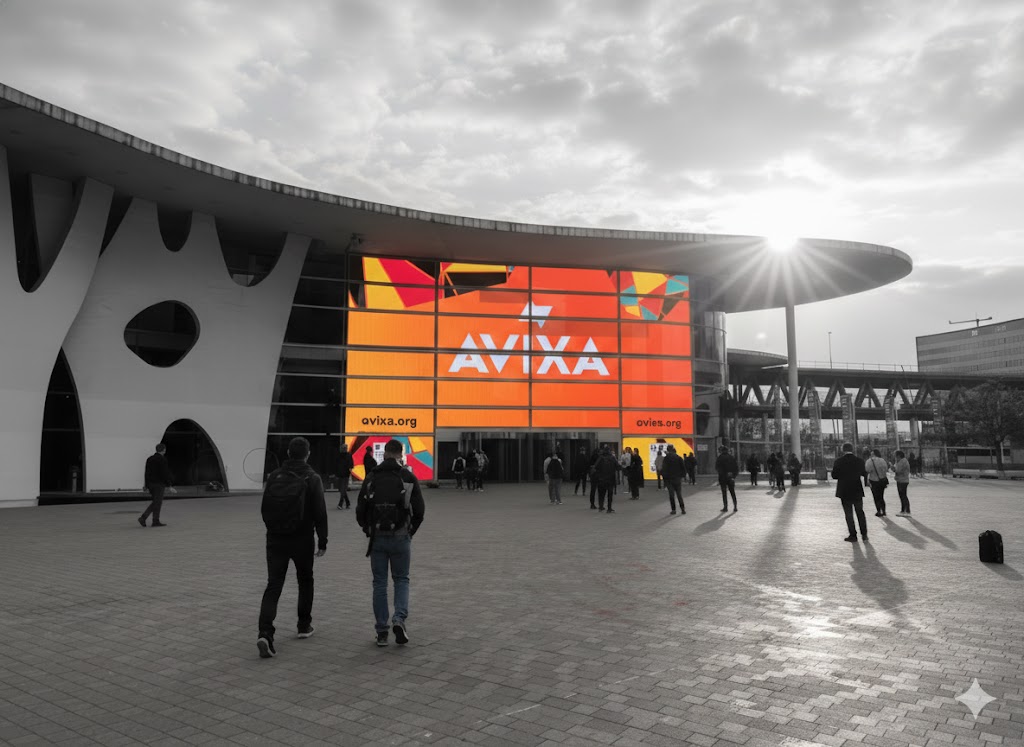




Field Report from Barcelona 2026
Just read ISE review by Sixteen-Nine. It’s a terrific piece by Dave Haynes—classic “ISE field report” style: conversational, first-hand, and full of grounded industry insight rather than flashy hype. He does a great job balancing humor, personal anecdotes, and technical analysis.
Here are a few key takeaways and impressions from the article:
-
Big Picture: Haynes emphasizes that Integrated Systems Europe 2026 has now fully matured—not just in size (92,000+ attendees!) but in smooth operations. His early skepticism about four days being too long has turned into admiration for how well-organized and globally attended the event has become.
-
Incremental Progress, Not Big Bang: He hammers home the theme that the professional AV and digital signage industries rarely see radical yearly leaps. The improvements are incremental—better LED displays, more refined manufacturing, lower energy use—not revolutionary tech shifts. That theme aligns with a maturing industry.
-
AI: Promising but Uneven: Haynes notes AI was everywhere but not oversold. Many demos were superficial, but there were some strong standouts—like NetSpeek’s agentic AI for monitoring networks and ScreenCloud’s thoughtful AI direction. His metaphor comparing AI to the “engine under the hood” of a modern car was a sharp way to explain the hidden but critical role AI is starting to play.
-
Displays and Power Efficiency: The visual technologies—LED totems, color e-paper, mesh LEDs—show the industry’s blend of aesthetics and practicality. Energy consumption and sustainability are clearly big themes, especially with companies like Media Resources pushing reduced power draw.
-
Tone and Style: Haynes keeps it witty and self-aware—joking about cava-filled evenings, losing his voice, and “good luck” to Samsung selling $20K holographic signage. It feels like a seasoned insider’s voice who’s seen the cycles of hype and knows what’s truly practical.
If you step back, the article’s broader message seems to be: pro AV and digital signage are now in an era of refinement, not discovery—and AI is the next invisible layer that will quietly reshape how everything operates.
What “interactive” looks like at ISE now
-
Touch-first, but not touch-only
-
PCAP touchscreens, touch foils, kiosks, and touch video walls are still everywhere (Displax, Elo, Prestop, DTEN, etc.).
-
Interactive kiosks are now tightly tied to workplace, wayfinding, check-in, and self-service workflows rather than just “cool demos.”
-
-
Other interaction modes layered on
-
Cameras and sensors (for people counting, audience analytics, sometimes simple gesture triggers) are used alongside touch—less flashy “Minority Report” waving, more subtle sensing.
-
Voice is emerging in noisy‑environment‑ready hardware (like the voice‑AI speaker Haynes mentioned), though it is still a niche and usually paired with a screen rather than replacing it.
-
Mobile is part of the interaction mix: scan a QR, tap NFC, or use an app to drive the content on a larger shared display instead of everyone touching the screen.
-
Executive Takeway
-
Clarify your lane
-
“We’re the best generic CMS” is a weak story now. A stronger story: “We’re the easiest way for X-type business to do Y outcome” (e.g., grocery chains managing 10,000 shelf labels and 500 menu boards).
-
-
Build or adopt AI where it matters
-
Content and layout co‑pilot for non-technical staff.
-
Automated NOC / monitoring and remediation.
-
Lightweight micro‑apps that sit on top of BrightSign / VXT / LG / Google TV stacks.
-
-
De-emphasize features, emphasize lifecycle
-
Energy costs, uptime, remote management, and ease of change are what owners will care about through the next cycle more than one more transition effect or exotic display format.
-
Pro Tip — Organizations that treat design as appearance often revisit it through unplanned service costs, compliance exposure, and shortened hardware lifecycles. Those that treat design as a system—balancing brand, usability, and serviceability—build platforms that scale, endure, and deliver ROI long after deployment.
Before approving a kiosk design, leadership should ask not how it looks on day one, but how it performs in year three. From recent kiosk industry article.
Current direction of interactive
-
From gadget to workflow tool
-
New interactive workplace kiosks (DTEN + Appspace with Microsoft Places) show the emphasis on space booking, visitor check-in, and workplace analytics rather than pure signage.
-
Industrial and control-room touch solutions focus on reliability and ergonomics for operators, replacing buttons/knobs and tying into data dashboards.
-
-
Why touch still dominates
-
It’s intuitive and cheap. Easy to support at scale; most alternatives (full-gesture, pure voice) stumble on reliability, learning curve, or cost.
-
“Touch + something” (touch + sensors, touch + voice, touch + mobile) is where most serious deployments are going rather than abandoning touch.
-
The Industry Group (aka Kiosk Association) comprises various related technology sites and news feeds from kiosks to digital signage to POS and Smart City. Retail Automation and EV Charging are others. Self-service technology (SST) is a type of technology that allows customers to perform various tasks without the assistance of a human. SSTs can bring many benefits to both customers and businesses, including cost savings, improved efficiency, and better customer experience.
The Kiosk Association comprises companies involved in self-service, digital signage, digital menus, outdoor technology, kiosks, point-of-sale, smart city, healthcare, telehealth, voice order, thin client, EV charging and retail automation.
Gold
- Pyramid Computer – Kiosks
- Olea Kiosks – custom/standard
- Intel Computing
- Vispero JAWS Screen Reader
- KIOSK Information Systems – Kiosks
- 22Miles Digital Wayfinding
- LG Business Kiosks Digital Signage
- Acquire Digital Software
- Sitekiosk Software
- Ingenico Payment
- imageHOLDERS Kiosks
- REDYREF Kiosks
- Crane CPI Payment Systems
- KT Group Kiosks
- Goldfinger Monitors – Digital Signage
- Giada Edge AI Mini-PCs more
- URway Holdings Conversational AI
- NZ Technologies Inc. Touchless Tech
- Innovative Technology – Cash Experts
- Best Kiosk ODM and OEM
- Kiosk Innovations Custom Design Engineering
- Full List
Silver
- MRI — outdoor smart city
- FEC Kiosks – standard kiosks
- UCP Unattended Payments payment terminals
- Datacap Systems, Inc. kiosk payment systems
- NMI — payment gateway
- Storm Interfaceassistive tech
- UST Vision Checkout — Built on AI. Designed for impact.
- Pantheon Creatives Pte Ltd – AI-powered digital humans
- panachedigilife.com – AI & IOT solutions
BRONZE
- Tech For All – accessibility consultants
- Self-Service Networks – gift card software
- Advanced Kiosks government
Associates
- WelcomeWare – virtual receptionist
- Insight Touch touchscreens + kiosks
- BOCA Systems Ticket & Receipt Printers
- Alveni– custom kiosks software
- SysTech Displays, Inc. — Braille, ATM decals
- Xtreme Power — kiosk UPS
- Pyramid Technologies kiosk printers
- TDS TOUCH Touchscreens AIO computers
- Actineon – Computers
- VidaBox Tablets
- PhotoAiD passport photo service
Featured
- Asia Self-Service – APAC
- Europe Self-Service – EU
- SelfService.io Hub site
- For Purchase