
Self-Service or Human Touch: What’s Your Ordering Preference?



Fast Food Ordering – What Do You Like?

Christoph Nussbaumer CEO of Alpine Kiosk
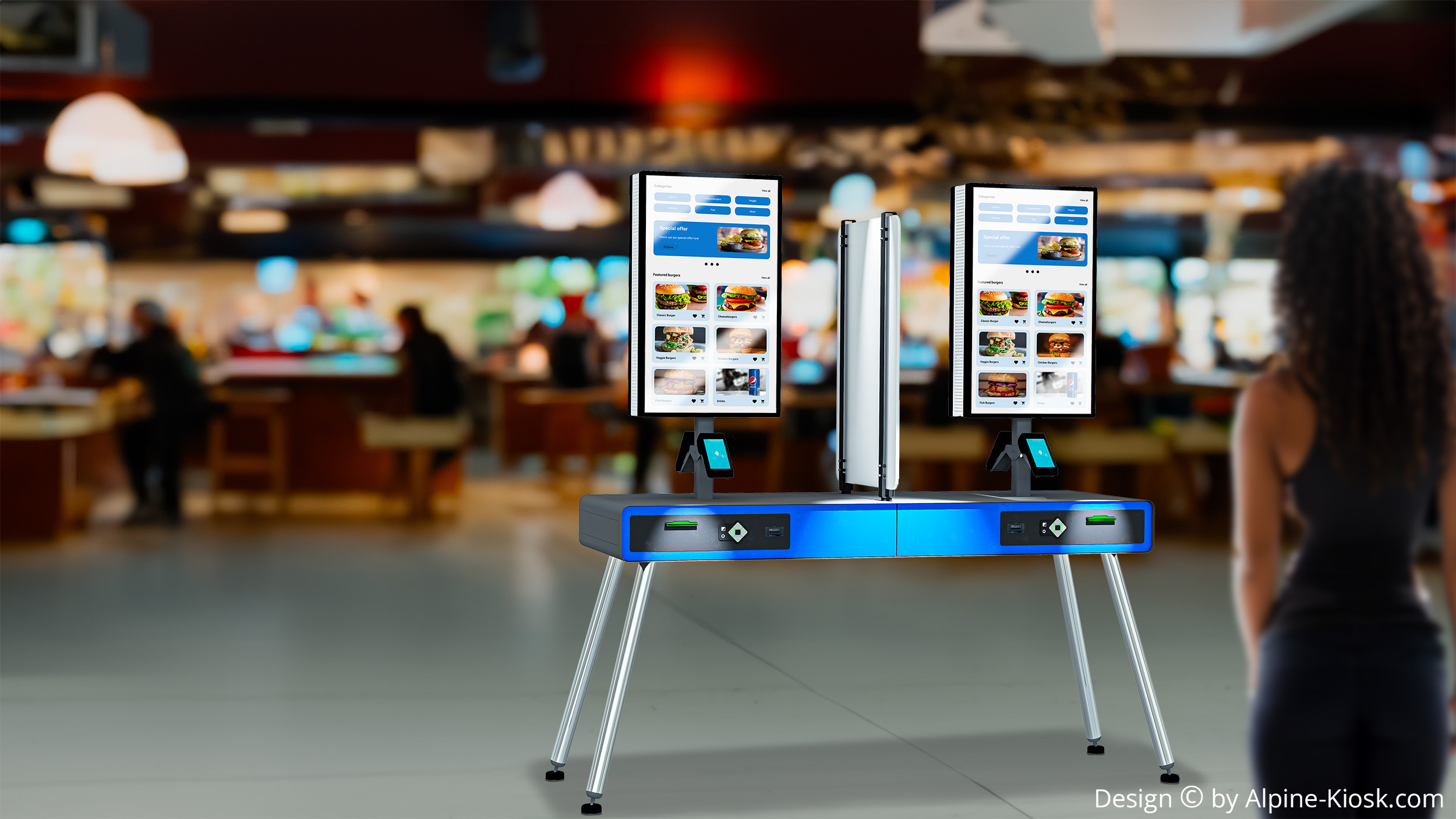
After a busy NRF 2024 show, I found myself with hours to wait at JFK airport. Needing a quick meal, I headed to a well-known burger chain. Instead of the usual counter, two tabletop kiosks were the only way to order. A line of 10-15 people stretched in front of them, with another group waiting for their food.
As I waited, I observed two older women and a mother with her daughter struggling with the touchscreen interface. Language barriers and unfamiliarity with the system slowed them down significantly.
My usual instinct would be to help, but as a self-service professional, I was curious to see how the restaurant would handle this.
When the prepared food line cleared, you’d expect staff to step in and assist the kiosk users.
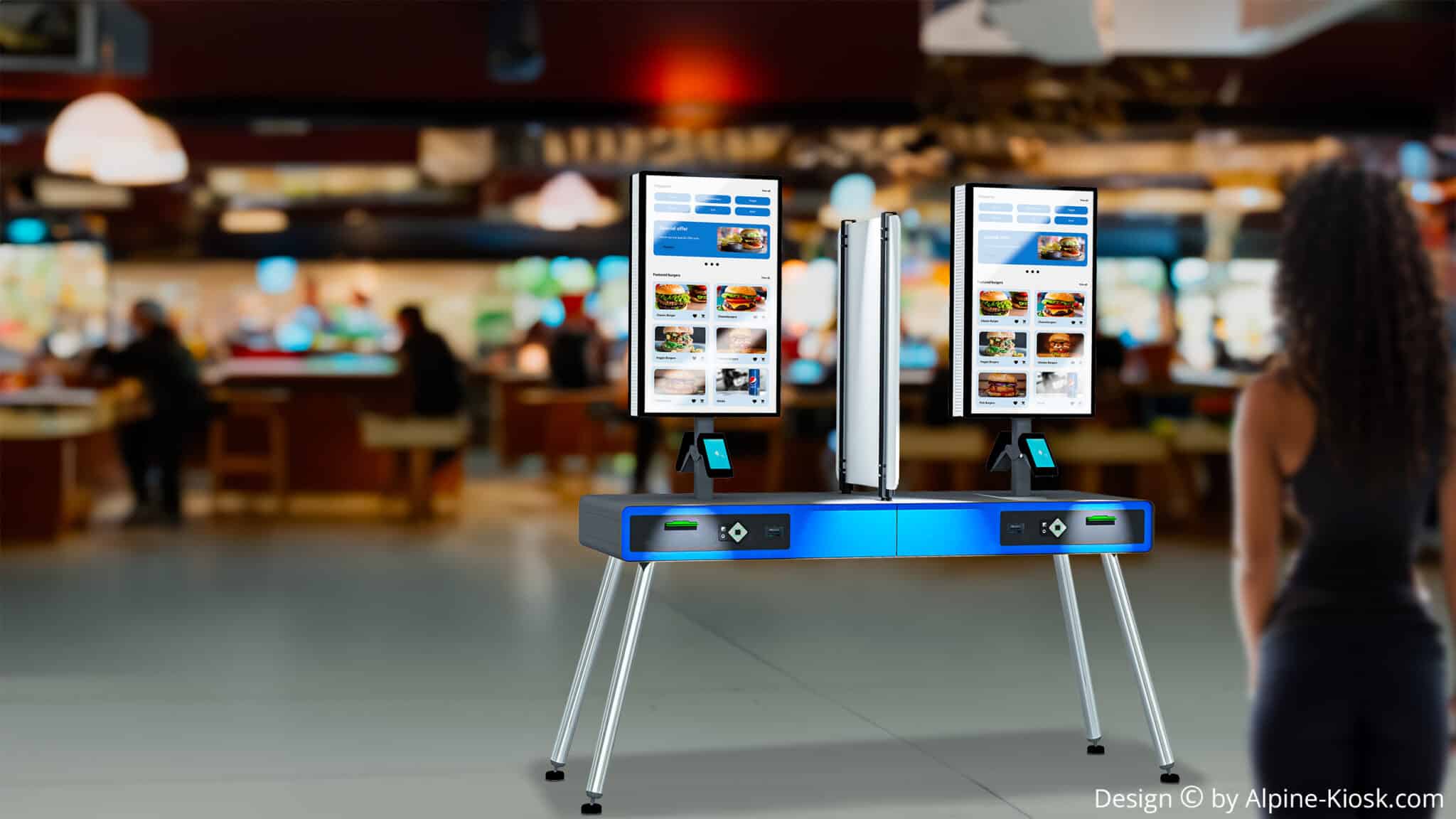
Click for full size – Fast Food Order Kiosk
Instead, they opened a traditional cash register and called me over.
“Your order, please!”
Caught off-guard, I was disappointed.
With a kiosk, I enjoy browsing all the potential customizations at my leisure: different bun options, unique sauces, tempting sides.
I love experimenting with toppings and finding new flavor combinations. Instead, with no menu details in sight, I chose a basic burger, fries, and Coke.
This felt rushed and impersonal, and the restaurant missed out on upsell opportunities I often explore when using a self-service interface.
What Makes Service Personal?
In my rushed situation, the lack of a familiar self-service kiosk is what actually felt impersonal. I was denied the chance to engage with the menu on my own terms, making choices guided by visuals and exploring what sounded appealing.
Being thrust into a hurried verbal order felt less like personalized service and more like simply being processed to reduce the queue.
This highlights an irony – sometimes the ability to interact at our own pace with a well-designed interface creates a more satisfying and personal experience than quick, potentially impersonal human interaction.
The Evolving Definition of Service
This airport experience highlights the ongoing discussion around self-service. It offers undeniable advantages:
- Speed: Skip lines and avoid waiting during busy times.
- Accuracy: Your order goes directly to the kitchen, reducing errors.
- Control: Explore the restaurant menu at your own pace and customize your meal.
- Upselling Opportunities: Visuals and easy navigation can entice customers to add sides, drinks, or desserts.
- Privacy: Order without pressure and take your time, especially helpful for those with decision anxiety.
- Less Language Barrier: Multilingual interfaces accommodate diverse communities.
However, the warmth of human interaction is valuable:
- Personalized service: A genuine smile and friendly chat can improve your experience.
- Recommendations: Knowledgeable staff can guide you to dishes you might enjoy.
- Flexibility: Easily change your mind, modify items, or discuss special requests.
Preferences often depend on the situation and age.
Younger individuals often prefer technology, while older customers, those less comfortable with technology, or people in groups might favor traditional interaction.
My airport experience showed that even when self-service is designed for speed, ignoring the needs of some customers creates a less welcoming experience for everyone.
The Future: Balancing Personalization and Efficiency
Restaurants face the challenge of delivering personalized experiences while maximizing speed. That’s where a hybrid model shines:
- Self-Service Efficiency: Customers who prefer the ease and control of kiosks can quickly get their orders in.
- Optimized Staffing: A single, well-trained staff member can monitor kiosks, ensuring a smooth experience and offering prompt assistance to those who need it.
- Personalized Enhancements: Staff remain dedicated to offering helpful recommendations, addressing customizations, and making every diner feel valued.
The way we order food changes, but the goal remains a positive experience for every customer. By blending technology and a customer-centric focus, restaurants can create a welcoming environment that maximizes efficiency and ensures diners walk away satisfied.
By Christoph Nussbaumer, Alpine Kiosk
Resourcesular Kiosk
- Kiosk Stories
- Interested in better audio for your establishment for customers and employees? Here is solution from Panasonic Connect. It won't be the cheapest for sure. It will work the best though.
- Partner
The Industry Group (aka Kiosk Association) comprises various related technology sites and news feeds from kiosks to digital signage to POS and Smart City. Retail Automation and EV Charging are others. Self-service technology (SST) is a type of technology that allows customers to perform various tasks without the assistance of a human. SSTs can bring many benefits to both customers and businesses, including cost savings, improved efficiency, and better customer experience.
The Kiosk Association comprises companies involved in self-service, digital signage, digital menus, outdoor technology, kiosks, point-of-sale, smart city, healthcare, telehealth, voice order, thin client, EV charging and retail automation.
Gold
- Pyramid Computer – Kiosks
- Olea Kiosks – custom/standard
- Intel Computing
- Vispero JAWS Screen Reader
- KIOSK Information Systems – Kiosks
- 22Miles Digital Wayfinding
- LG Business Kiosks Digital Signage
- Acquire Digital Software
- Sitekiosk Software
- Ingenico Payment
- imageHOLDERS Kiosks
- REDYREF Kiosks
- Crane CPI Payment Systems
- KT Group Kiosks
- Goldfinger Monitors – Digital Signage
- Giada Edge AI Mini-PCs more
- URway Holdings Conversational AI
- NZ Technologies Inc. Touchless Tech
- Innovative Technology – Cash Experts
- Best Kiosk ODM and OEM
- Kiosk Innovations Custom Design Engineering
- Full List
Silver
- MRI — outdoor smart city
- FEC Kiosks – standard kiosks
- UCP Unattended Payments payment terminals
- Datacap Systems, Inc. kiosk payment systems
- NMI — payment gateway
- Storm Interfaceassistive tech
- UST Vision Checkout — Built on AI. Designed for impact.
- Pantheon Creatives Pte Ltd – AI-powered digital humans
- panachedigilife.com – AI & IOT solutions
BRONZE
- Tech For All – accessibility consultants
- Self-Service Networks – gift card software
- Advanced Kiosks government
Associates
- WelcomeWare – virtual receptionist
- Insight Touch touchscreens + kiosks
- BOCA Systems Ticket & Receipt Printers
- Alveni– custom kiosks software
- SysTech Displays, Inc. — Braille, ATM decals
- Xtreme Power — kiosk UPS
- Pyramid Technologies kiosk printers
- TDS TOUCH Touchscreens AIO computers
- Actineon – Computers
- VidaBox Tablets
- PhotoAiD passport photo service
Featured
- Asia Self-Service – APAC
- Europe Self-Service – EU
- SelfService.io Hub site
- For Purchase




Please sign in
If you are a registered user on AVIXA Xchange, please sign in