The Silent Threat Inside Your Meeting Rooms

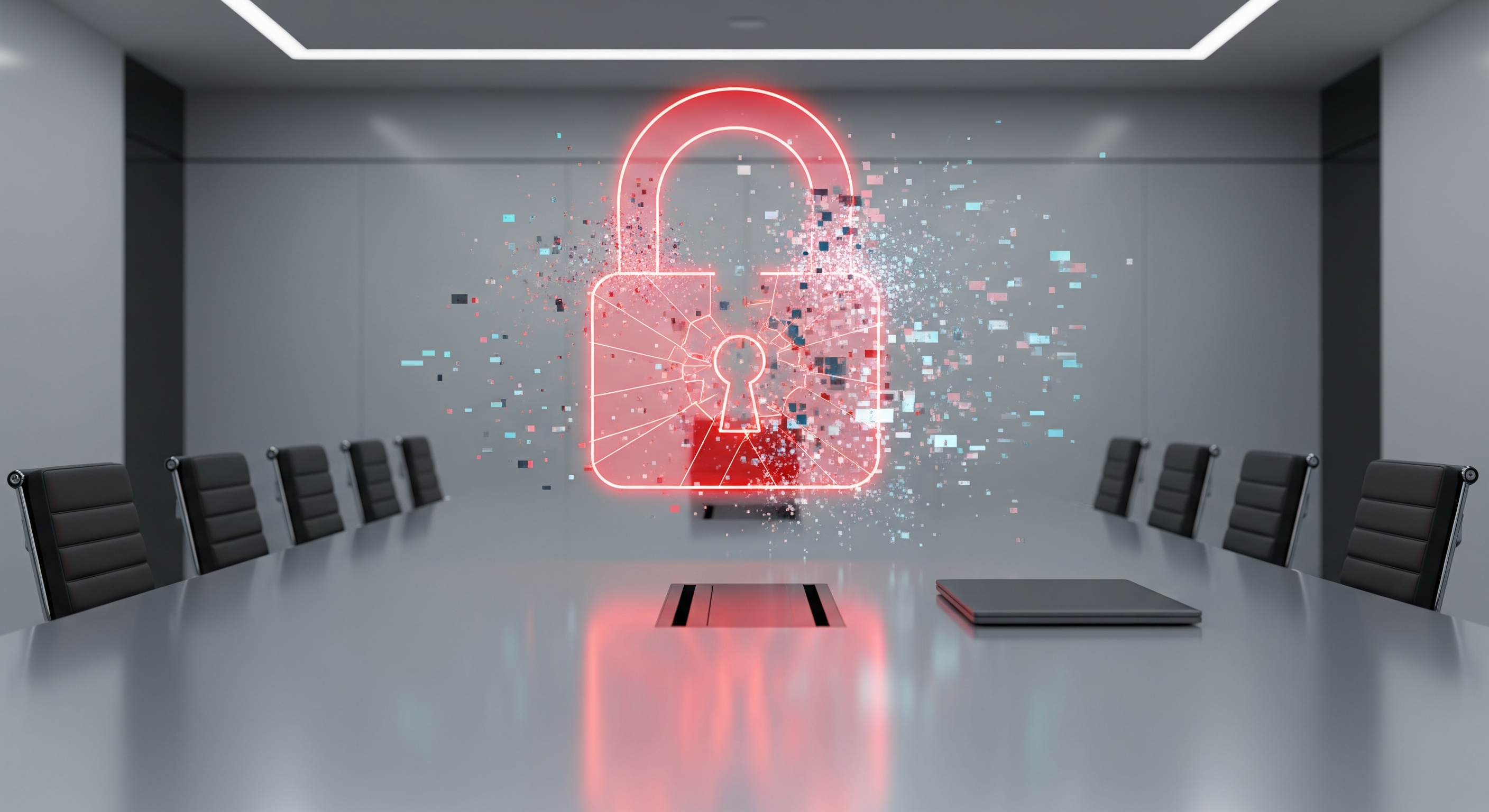


How Modern AV Systems Enable Invisible Eavesdropping — And How to Stop It
While defense and government organizations have long recognized that preemptive measures are essential to operational integrity, the commercial sector remains dangerously lacking in this respect. Most companies only harden their defenses when mandated by authorities or in the wake of a catastrophic breach. A sobering example is Jaguar Land Rover (JLR), which suffered a five-week total company shutdown following a massive cyberattack in August 2025.
In this landscape of evolving threats, security teams often overlook the most exposed physical vector: the meeting room. Whether through compromised peripherals or unsecure BYOM (Bring Your Own Meeting) workflows, the collaboration environment has become a fertile ground for data breaches and eavesdropping. When employees and guests connect personal devices to shared media peripherals and the internal network, they open a quiet path for data leakage that traditional firewalls are fundamentally unequipped to detect.
This article breaks down these emerging risks and highlights the hardware-based defenses necessary to secure high-stakes environments before an attack occurs.
The BYOM Threat: Unmanaged Devices Connecting to Shared AV
BYOM brings convenience but creates a serious cybersecurity blind spot. Personal devices connected to shared meeting-room peripherals bypass enterprise controls and introduce unpredictable risks.
A compromised device can probe HDMI connections, manipulate media processors, or exploit network-linked AV gear. Attackers use BYOM as a backdoor in corporate environments. Unsecured KVM switches are prime targets—without hardware isolation, they bridge networks and allow data injection/extraction. In hybrid spaces with frequent external users, shared AV endpoints quickly become major vulnerabilities.
Why Audio Isolation Beats “Mute” Every Time
.png "'MUTE' is just a digital setting that hackers can bypass")
People assume a “mute” button fully disables the microphone, but in most conferencing bars the signal path remains active internally—even when muted— leaving the device open to firmware exploits or remote activation.
For true security, meeting rooms should physically isolate the conferencing bar using unidirectional diodes. This hardware barrier makes the microphone unreachable and unable to transmit when off, and it cannot be bypassed by software or malicious commands.
For classified or high-level executive briefings, go further: completely cut power to conferencing bars, displays, and audio systems. When unplugged, they cannot process, store, or transmit anything—assurance impossible with software or standard AV controls alone.
Close The Gaps with Hardware-Based Cybersecurity
To address these emerging threats, standards-based mitigation solutions are available for multi-domain environments where sensitive information is discussed and shared. Rather than relying on software controls or access policies, they enforce protection at the physical layer—eliminating entire classes of attack.
NIAP PP4.0-Certified Security Assurance
NIAP Protection Profile 4.0 standards are the U.S. government’s most rigorous certification for secure switching and data isolation devices. PP4.0 ensures strict hardware separation, verified unidirectional data enforcement, and zero possibility of cross-domain leakage. This level of assurance is required across federal, defense, and critical-infrastructure environments.
Audio & Videobar Diodes
These NIAP PP4.0-certified, unidirectional isolation devices eliminate the risk of microphone hijacking, ultrasonic signaling, or malicious upstream access. They guarantee that audio flows out but never back in.
Individual Device Isolation
One-way video and data isolation ensure personal and unmanaged devices cannot compromise room peripherals or corporate networks, even if they are infected with malware.
Power Cutoff Modules for Sensitive Meetings
For the highest-security environments, it is recommended to completely disconnect power to conferencing bars, sound systems and displays, creating a verified “dead room” where no AV hardware can be exploited.
Hardware with Secure Supply Chains
Cybersecurity starts before the device even ships. Many vendors that meet TAA and BAA standards also enforce strict supply chain safeguards, helping prevent tampered components or hidden vulnerabilities.
Sourcing hardware this way provides a tamper-resistant layer that software policies alone cannot match.
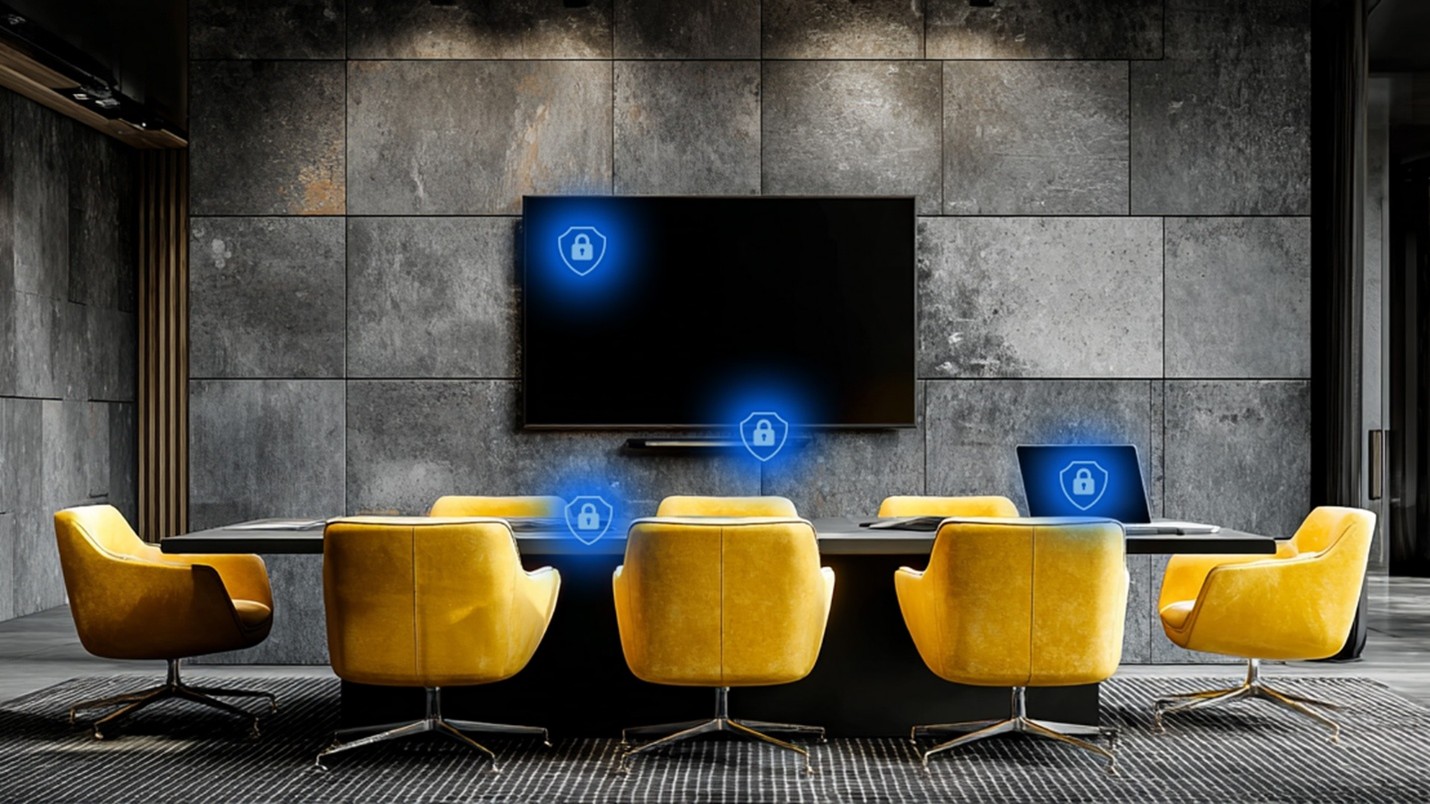
Conclusion: Meeting Rooms Are Becoming Cyber Targets — Time to Treat Them That Way
As collaboration technology grows more sophisticated, so do the methods attackers use to compromise it. Microphone arrays, conferencing bars, wireless channels, BYOM endpoints, and unsecured KVMs represent potential vectors for silent eavesdropping or data exfiltration.
Organizations that rely solely on traditional, network-based cybersecurity leave meeting rooms dangerously unprotected. Organizations must initiate mitigation at the hardware level—using NIAP-certified secure KVM switchers to ensure absolute separation between connected devices, along with media diodes that enforce strict one-way data flow to AV and display systems.
Implementing a strategy that includes purpose-built hardware—such as those found in the HSL SoundSentry™ suite—allows organizations to isolate, filter, and cut off vulnerabilities. It offers the first secure meeting room suite of hardware-based cybersecurity solutions that can be integrated into existing architecture, without having to replace any of the existing devices.
Secure your conversations. Protect your decision-making. Modernize your defense.
To learn more about securing meeting rooms, follow us on LinkedIn for continuing insights and updates.
Partially drafted with the assistance of AI and reviewed by Shaked Rami