
Real-Time Data Processing in Fantasy Apps
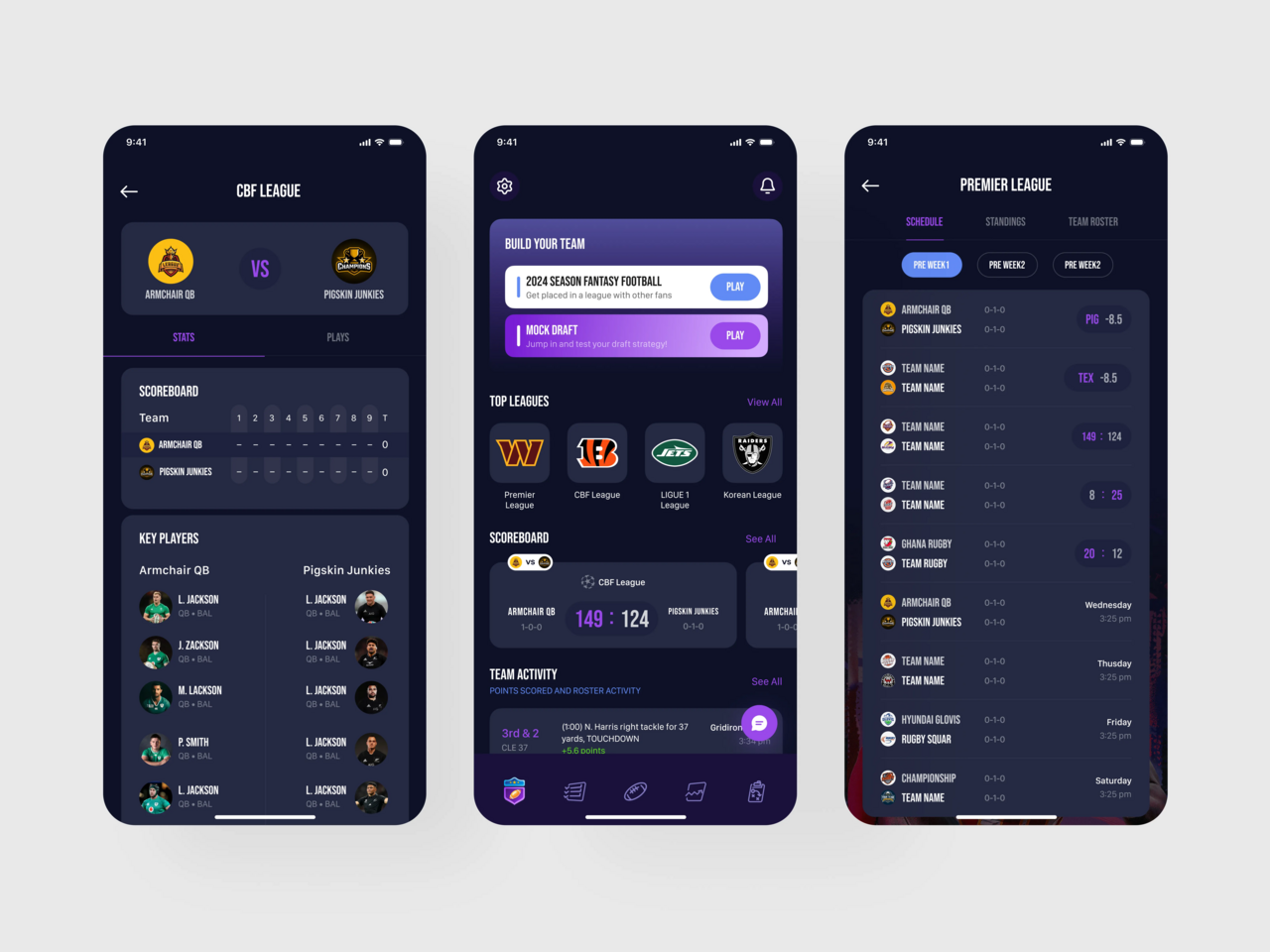
Fantasy apps feel exciting because everything happens live. When a player hits a six, scores a goal, or takes a wicket, users want to see points update instantly. That fast update is possible because of real-time data processing. Without it, a fantasy app would feel slow, outdated, and unreliable.
In simple words, real-time data processing means collecting match data, sending it to the server, calculating points, and showing updated scores to users within seconds. It works silently in the background, but it is the heart of every successful fantasy platform.
Why Real-Time Data Matters So Much
Fantasy users are emotionally connected to live matches. They track every ball, every pass, and every run. If the app shows delayed scores, users lose trust. Real-time systems keep users engaged and active during the match.
Here are some clear reasons why it is important:
-
Instant point calculation
-
Live leaderboard updates
-
Quick team performance tracking
-
Better user engagement
-
Higher session time
When updates are fast and accurate, users open the app again and again during the match.
How Real-Time Data Processing Works
The process may look simple from the outside, but many technical steps happen in the background.
1. Data Collection
Live match data is collected from official sports data providers. This includes runs, goals, assists, wickets, substitutions, and more.
2. Data Streaming
The collected data is pushed to the fantasy app servers using streaming technology. This happens continuously during the match.
3. Point Calculation
Once the data reaches the system, scoring rules are applied automatically. For example:
-
1 run = X points
-
1 wicket = Y points
-
1 goal = Z points
The system calculates these points instantly.
4. Database Update
User teams, total scores, and rankings are updated in the database.
5. Display to Users
Finally, the updated leaderboard and team scores are shown on the app screen in real time.
All these steps happen within seconds.
Technologies Behind Real-Time Systems
To handle live data smoothly, developers use strong backend systems.
Some common technologies include:
-
WebSockets for instant communication
-
Cloud servers for scalability
-
Message queues like Kafka
-
Real-time databases
-
Load balancers
These tools help the system manage thousands or even millions of users during big matches.
Handling High Traffic During Live Matches
Traffic increases massively during popular tournaments. For example, during finals or rivalry matches, user activity can increase 5x or 10x.
To manage this load:
-
Servers are scaled automatically
-
Data is cached for faster response
-
Content Delivery Networks (CDN) are used
-
Microservices architecture is applied
A good fantasy sports app development company focuses heavily on performance testing before launch. Stress testing ensures the system can handle peak traffic without crashing.
Role of Sports Data Providers
Real-time fantasy apps depend on accurate sports data. The app does not manually track matches. Instead, it integrates with trusted data providers through a Fantasy Sports API.
This API sends structured data like:
-
Player statistics
-
Match events
-
Team details
-
Score updates
If the API is slow or inaccurate, the whole fantasy platform suffers. That is why choosing the right data source is critical.
Challenges in Real-Time Data Processing
Even though the concept sounds simple, real-time systems face many challenges.
► Data Delay
Sometimes match feeds are delayed. Even a 5-second delay can create user complaints.
► Data Accuracy
Incorrect player stats can damage trust. The system must verify and validate data.
► Server Overload
Too many simultaneous users can slow down performance.
► Sync Issues
Leaderboard and team scores must update together. Any mismatch creates confusion.
► Security Risks
Live systems are more vulnerable to attacks. Strong encryption and monitoring are required.
Importance of Low Latency
Latency means the delay between a real match event and the update inside the app. In fantasy apps, low latency is everything.
If a user sees a wicket on TV but the app updates after 20 seconds, they feel frustrated. That gap should be as small as possible.
To reduce latency:
-
Use edge servers
-
Optimize database queries
-
Compress data packets
-
Avoid unnecessary processing steps
Speed creates trust.
Real-Time Leaderboards and User Experience
Leaderboards are the most exciting part of fantasy apps. Users constantly refresh the screen to check rankings.
Real-time leaderboards require:
-
Instant score recalculation
-
Smart ranking algorithms
-
Quick database write operations
-
Optimized UI updates
The frontend must also be designed smartly. Smooth animations and quick refresh make the app feel premium.
Data Storage Strategy
Live data is not only shown instantly but also stored for future use.
Fantasy apps store:
-
Match history
-
Player performance records
-
User contest data
-
Transaction details
Developers often use a mix of SQL and NoSQL databases. SQL handles structured data like transactions. NoSQL manages large volumes of live match updates.
Testing Real-Time Systems
Before launching, testing is very important.
Key testing types include:
-
Load testing
-
Stress testing
-
API testing
-
Latency testing
-
Security testing
Simulating live match scenarios helps identify weak areas. Without proper testing, even a small bug can cause major downtime during live matches.
Future of Real-Time Processing in Fantasy Apps
Technology is improving every year. In the future, real-time fantasy systems may include:
-
AI-based performance predictions
-
Instant injury alerts
-
Personalized live notifications
-
Voice-based updates
-
Real-time video sync with fantasy points
5G networks and better cloud systems will make updates even faster.
Conclusion
Real-time data processing is the backbone of every fantasy app. It ensures fast updates, accurate scoring, and a smooth user experience during live matches. From data collection to instant leaderboard changes, every step must work perfectly.
Building such a system requires strong backend architecture, reliable data sources, and careful performance planning. When done correctly, real-time processing not only improves engagement but also builds long-term user trust.

I am Jack Gibson, a mobile app developer working at Nimble AppGenie. For the past 8+ years, I’ve been passionate about crafting innovative and engaging mobile applications at the company.



Please sign in or register for FREE
If you are a registered user on AVIXA Xchange, please sign in