The Autonomous Workplace Threat Surface: AI Agents Are Now Exploiting AV & IT Systems.
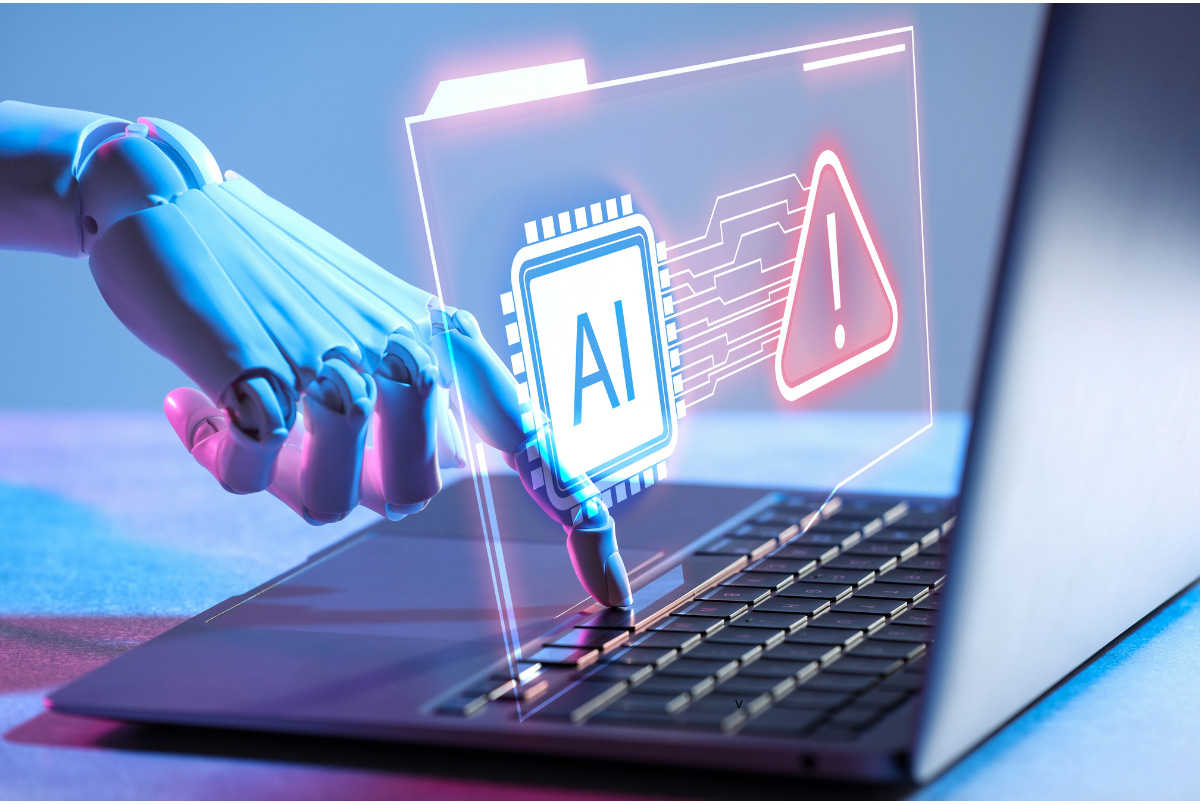
This shift has quietly created a new threat surface most organisations aren’t prepared for.
🔍 What we see today?
Across major enterprise AI platforms, agents already:
❗ Plan, act, and verify outcomes.
❗ Call connected tools and complete workflows across IT, support, finance, operations, and compliance.
❗ Open tickets, update systems, request approvals, and route tasks.
❗ Use APIs to interact with enterprise tools.
❗ Execute multi-step actions at machine speed.
🎛 Why AV Systems Are Now in the Blast Radius.
AV systems are increasingly exposed through REST APIs, Graph API hooks, scheduling interfaces, automation endpoints, and device‑control APIs, making them fully reachable to enterprise AI agents. That means platforms like Teams Rooms, Zoom Rooms, Crestron, QSC, Extron processors, digital signage, room‑booking systems, and UC management portals can all be touched by an agent once it has API access, intentionally or accidentally.
How Agents Exploit AV & IT Systems
Because agents operate through logic and permissions, not hacking, they exploit:
👉🏼 Workflow chains from AV through Identity to Cloud and the Automation.
👉🏼 Over-permissioned integrations.
👉🏼 Implicit trust models in AV systems.
👉🏼 Hallucinated actions executed as real commands.
👉🏼 Shadow agents deployed by employees.
👉🏼 Data leakage via microphones, cameras, and transcription engines.
This behaviour is already visible in enterprise deployments where agents trigger actions across multiple systems without human review.
Traditional controls assume human‑driven actions, but AI agents operate continuously, autonomously, across domains, without intuition or ethical boundaries, which is why organisations now need AI governance, unique agent identities, least‑privilege permissions, behaviour monitoring, decision limits, and AV system hardening to secure the emerging AI‑driven workplace..
🚀 The Bottom Line
AI agents are already acting inside the workplace, interacting with AV and IT systems and creating a new threat surface.
AV/IT organisations must treat AV as a security domain and govern machine workflows alongside human ones. They must also anticipate agent‑driven exploitation, and build cross‑functional governance across AV/IT, and cybersecurity. The autonomous workplace is here and the governance model must evolve with it.

CTS with 20+ years in Pro AV, specialising in secure, resilient, and human‑centric technology environments.
With credentials including ISO 27001 Practitioner, CompTIA Security+, AVIXA CTS, and service on the AVIXA Standards Steering Committee, I bring a multidisciplinary perspective that spans security governance, systems engineering, AV risk, and operational resilience.
I also serve as a Steering Committee Member for the AV User Group (London Chapter), supporting industry knowledge‑sharing, manufacturer engagement, and the advancement of best practice across enterprise AV and workplace technology.
Across my career, I’ve delivered multi‑regional and global AV/UC deployments, designing and optimising secure collaboration ecosystems across Europe, North America, Africa, and APAC. My work spans Microsoft Teams environments, enterprise meeting rooms, hybrid working platforms, and high‑stakes spaces such as Boardrooms, AGMs, and multi‑site collaboration environments.
I approach AI as a socio‑technical system — where risks emerge not only from algorithms, but from architecture, data flows, user behaviour, and the integrated AV/UC environments that shape real‑world experience.
I am now expanding my leadership into AI governance and responsible technology, developing capability in ISO/IEC 42001 (AIMS) and the NIST AI RMF to help organisations operationalise AI safely, ethically, and at scale — particularly within AV, workplace, and smart‑building systems.
-
Xchange Advocates are recognized AV/IT industry thought leaders and influencers. We invite you to connect with them and follow their activity across the community as they offer valuable insights and expertise while advocating for and building awareness of the AV industry.
Recommended Content

When AI Turns Adversarial: The JadePuffer Incident and the Rise of Autonomous Cyber Threats.

Deepfakes Are Now an AV Problem, the Industry Must Step Up.
AV/IT Is Officially Inside the EU AI Act Compliance Window; Here’s What That Really Means.

Why AV Manufacturers Need to Pay Attention to the OWASP LLM Top 10