


Immersive Experiences, Sustainability in AV, AI in AV, Digital Signage, Live Events / Performance Entertainment, Business of AV, Xchange Community Chat, APAC Member Forum, InfoComm, Integrate, Sustainable AV , AV/IT Buyers, AV Education for The Next Generation, Xchange Advocate Room
Where Immersive Projects Break: The Hidden Risks in Infrastructure and System Planning




Please sign in or register for FREE
If you are a registered user on AVIXA Xchange, please sign in
Urmil,
How do we balance between compensating for the audio and video delay in a stadium for the mid-range or back of hall audience with the front of hall audience. We need to keep the stage display delay as low as possible so the viewers in the pit don't notice a difference between the artist on the stage and the artist on the monitor wall but the rear hall audience can see the same display and we've delayed their audio to match the video.
Where is the healthy balance?
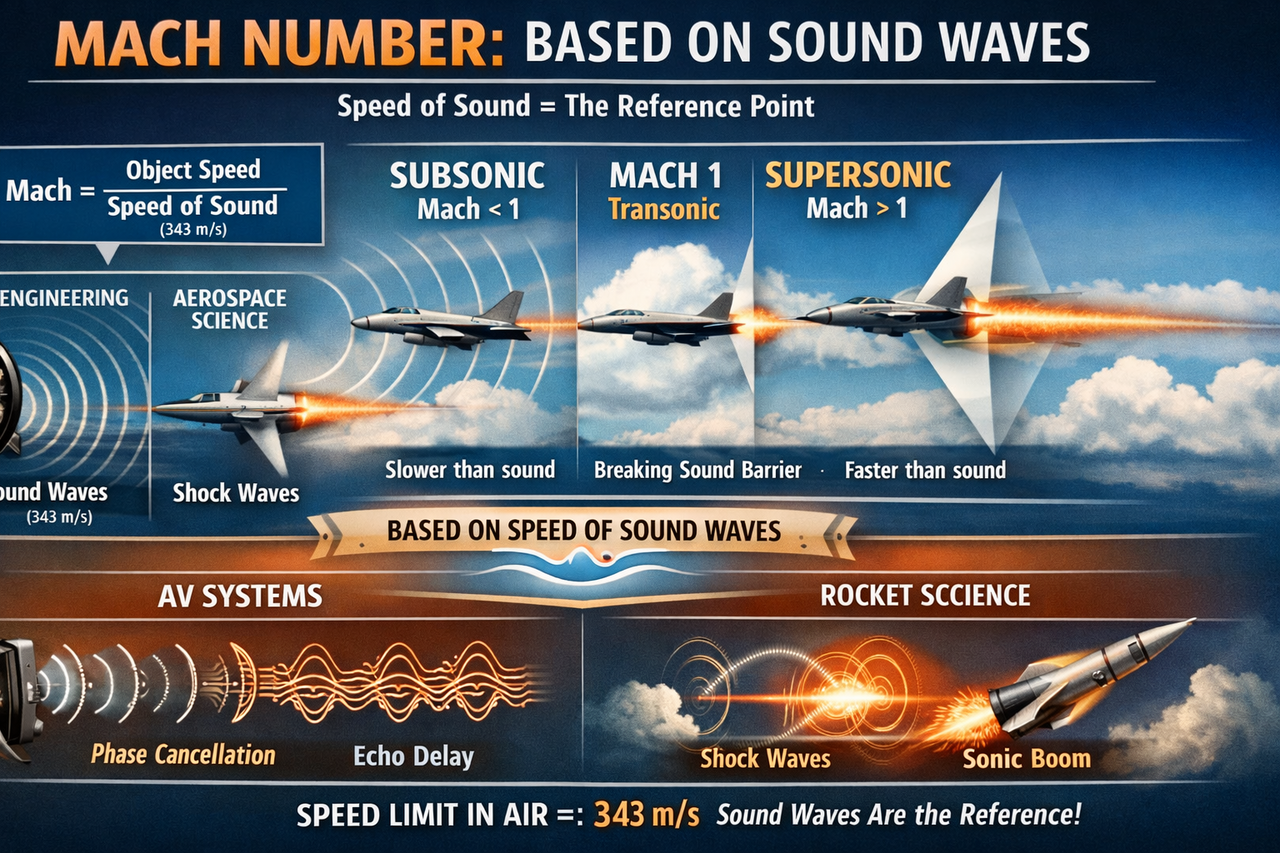
This is a classic large-venue AV sync trade-off—and there’s no single “perfect” answer. It’s about psychoacoustics, precedence effect, and perceptual tolerance, not just math.
The healthy balance which I may try is
The healthy balance is if I need to do it, I will try this way.
large-venue AV sync trade-off—and there’s no single “perfect” answer. It’s about psychoacoustics, precedence effect, and perceptual tolerance, not just math.
The healthy balance is to optimize the video for the front row and delay the audio for the back row. You keep the video processing as fast as possible so the people looking at the artist’s face don't see a lag. Then, you use "delay lunges" in your sound system to hold the audio back just long enough to meet the video at the back of the stadium.
Basically: Make the video fast for the eyes in the front and make the audio slow for the ears in the back.
The "Healthy Balance" Summary Audience Location The Strategy The Experience The Pit Minimize Video Latency ($<60ms$) Perfect sync between the "real" artist and the screen. Mid-Hall Match Audio to Video Latency The sound and image hit the senses at the exact same time. Back of Hall Delay Audio to match light speed Prevents the "bad movie dub" effect where lips move before sound.