
Stadium Scoreboards & LED Ribbon Displays: The Digital Heart of Modern Sports Venues
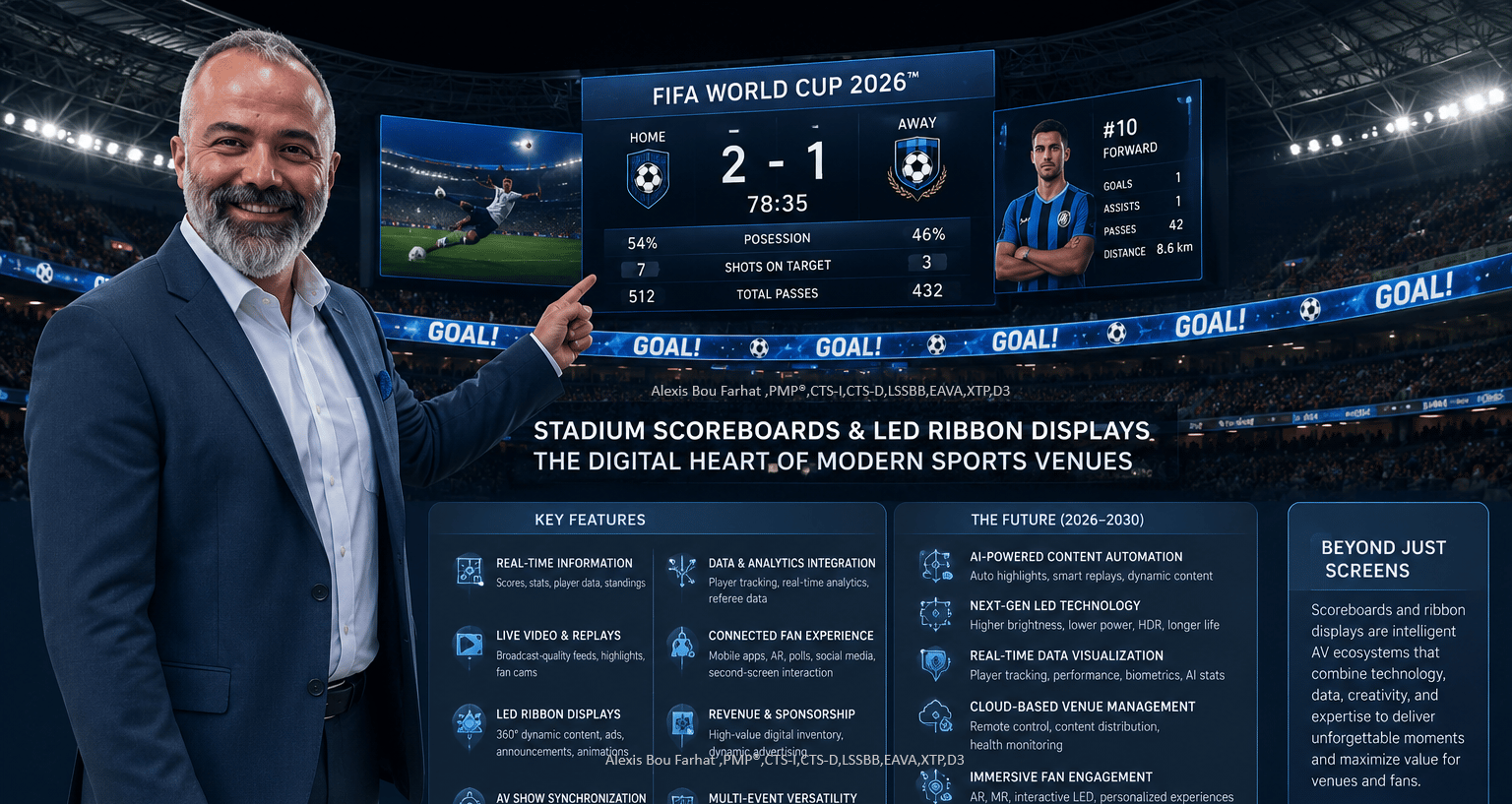
With the excitement of the ongoing FIFA World Cup 2026 matches, I've been receiving many questions from end users, consultants and AV professionals about the technology behind the massive stadium scoreboards and LED ribbon displays.
While millions of fans are focused on the goals, celebrations and match results, AV professionals are watching something equally impressive the seamless coordination of broadcast-quality video, real-time statistics, immersive graphics, synchronized lighting and dynamic LED displays that bring every moment to life.
Modern stadium scoreboards and ribbon displays are no longer just giant screens. They have evolved into intelligent digital platforms that integrate AV, Broadcast, IT, Networking, Data Analytics, AI and Venue Operations to create unforgettable fan experiences while maximizing operational efficiency and commercial revenue.
Let's explore the technologies, capabilities and future innovations that are transforming today's sports venues into truly Smart Stadiums.
When most people look at a stadium scoreboard, they see the score and the game clock.
As AV professionals, consultants and system integrators, we know it's much more than that.
Today's scoreboards and LED ribbon displays are mission-critical digital platforms that combine AV, IT, broadcast, data analytics, graphics and venue operations into one synchronized ecosystem. They create unforgettable fan experiences while generating significant commercial value for venue owners.
A- Core Features of Modern Stadium Scoreboards & Ribbon Displays:
1. Real-Time Game Information:
• Live scores and timing.
• Match statistics.
• Player information.
• League standings.
• Official game data integration with near-zero latency.
2. Broadcast-Quality Video Production:
• Instant replay systems
• Multi-camera live feeds
• Slow-motion highlights
• Fan cams and Kiss Cams
• Player introductions and pre-game shows
3. 360° LED Ribbon Displays:
Ribbon boards have evolved into dynamic communication platforms that deliver:
• Sponsor advertisements.
• Live match updates.
• Crowd engagement animations.
• Emergency messaging.
• Wayfinding and venue announcements.
• Synchronized visual effects throughout the stadium.
4. Complete AV Show Control:
A world-class venue synchronizes:
-LED displays.
-Audio systems.
-Architectural lighting.
-DMX show lighting.
-Special effects.
-Pyrotechnics.
-Broadcast production.
Everything is triggered in perfect synchronization to maximize the fan experience.
5. Centralized Control & Operations
Modern control rooms provide operators with complete management of:
• Main scoreboards.
• Ribbon displays.
• IPTV networks.
• Digital signage.
• Broadcast graphics.
• Advertising playlists.
• Emergency messaging systems.
One operator can control thousands of square meters of LED displays in real time.
6. Live Data & Analytics Integration:
Modern display systems integrate directly with:
• Sports data providers.
• Player tracking systems.
• Referee decision systems.
• Match analytics.
• Tournament management platforms.
• Broadcast graphics engines.
Fans receive richer, data-driven experiences every second.
7. Connected Digital Fan Experience
Scoreboards are now connected to:
• Mobile applications.
• QR code interactions.
• Fantasy sports.
• Social media feeds.
• Interactive polls.
• Augmented Reality (AR).
• IPTV platforms.
The venue experience now extends far beyond the stadium seat.
8. High-Value Revenue Generation
Every LED display is premium digital real estate.
Revenue opportunities include:
• Dynamic sponsorships.
• Context-aware advertising.
• Brand activations.
• Premium event branding.
• Live commercial campaigns.
• Programmatic digital advertising.
For many venues, LED assets become one of the highest ROI investments.
9. Flexible Multi-Event Operation
One display ecosystem can instantly transform for:
-Football.
-Basketball.
-Tennis.
-Esports.
-Concerts.
-Entertainment shows.
-Ceremonies.
-Motorsports.
-Graduations.
The same infrastructure supports multiple business models throughout the year.
10. Engineering Behind Every Live Event:
Behind every successful match is a multidisciplinary AV team:
• AV System Designers.
• Broadcast Engineers.
• LED Specialists.
• Control Room Operators.
• Graphics Designers.
• Network Engineers.
• System Integrators.
• Event Production Teams
Their coordination ensures every frame, every replay and every announcement is delivered flawlessly.
B- The Future of Stadium Display Technology (2026–2030)
The next generation of stadium AV is already taking shape.
1- AI-Powered Content Automation:
• Automatic highlight generation.
• AI-assisted replay selection.
• Dynamic sponsorship insertion.
• Intelligent crowd engagement.
• Real-time content recommendations.
2- Next-Generation LED Technology:
• Higher brightness.
• Lower power consumption.
• Better HDR performance.
• Wider color gamut.
• Longer operational lifespan.
• Improved sustainability.
3- Real-Time Data Visualization
Future scoreboards will display:
• Player tracking.
• Ball trajectory.
• Performance analytics.
• Biometric insights.
• Referee decision support.
• AI-generated statistics.
4- Cloud-Based Venue Management:
Operators will remotely manage:
• Multiple stadiums.
• League-wide content.
• Software updates.
• Advertising campaigns.
• Health monitoring.
• Predictive maintenance.
5- Immersive Fan Engagement:
Expect to see:
• Augmented Reality overlays.
• Mixed Reality experiences.
• Mobile second-screen synchronization.
• Personalized fan content.
• Interactive LED experiences.
6-Esports-Ready Performance:
Ultra-high refresh rates, HDR workflows and broadcast-grade latency will support:
• Competitive gaming.
• Hybrid entertainment events.
• Virtual production.
• Next-generation broadcasting.
7- Architectural LED Integration:
LED technology is expanding beyond the bowl into:
• Stadium façades.
• Entrance plazas.
• VIP lounges.
• Concourse digital signage.
• Hospitality suites.
• Exterior media architecture.
The entire venue becomes one immersive digital canvas.
Final Thoughts !
Modern scoreboards and ribbon displays are no longer "just screens."
They are intelligent AV ecosystems where display technology, networking, broadcasting, control systems, automation, AI and data converge to deliver unforgettable fan experiences and maximize venue revenue.
As global sporting events continue to raise expectations, the future belongs to stadiums that combine innovation, immersive storytelling, operational efficiency and intelligent AV integration.
What emerging technology do you think will have the biggest impact on the next generation of stadiums AI automation, immersive LED experiences, cloud management, or data-driven fan engagement?
I'd love to hear your thoughts.

With over 20 years of experience in the AV and ELV industries, I specialize in AV system design, installation, management, and integration across diverse sectors, including corporate, education, sports, healthcare, hospitality, and government. My career began in 2003 with the AV team at a 5-star hotel in Lebanon, where I developed a passion for AV systems.
Technical leadership spans advanced audiovisual ecosystems including digital signage networks, broadcast and media systems, large-format LED environments, video mapping, PAVA and emergency communication systems, intelligent wayfinding, collaboration spaces, lecture theatres, hospitality technologies, and integrated control platforms.
Known for bridging the gap between consultants, architects, operators, and technology vendors to ensure cohesive design delivery and future-ready infrastructure. Strong focus on user experience, operational efficiency, scalability, and reliability across complex facilities.
Certified Project Management Professional (PMP) and AVIXA CTS-D / CTS-I, demonstrating mastery in AV system design, integration, and project governance. Active contributor to the global AV community as an AVIXA Xchange Advocate across the Middle East and GCC.
Industry speaker at the Integrated Systems Europe (ISE) 2023 & 2025 in Barcelona, Infocomm India Sep 2025, representing Qatar and contributing insights on evolving AV technologies, project delivery practices, and knowledge collaboration within the global AV community.
Currently, I am part of BLINQ, a division of IMAR Trading and Contracting in Qatar, where I serve as the ELV Projects Manager, focusing on ELV systems and immersive AV solutions. I am committed to continuous learning, staying ahead of industry trends, and mentoring emerging professionals to elevate the AV field
-
Xchange Advocates are recognized AV/IT industry thought leaders and influencers. We invite you to connect with them and follow their activity across the community as they offer valuable insights and expertise while advocating for and building awareness of the AV industry.
Recommended Content

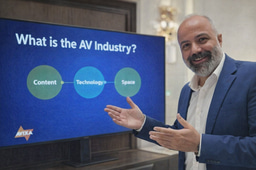
LetsTalkAVbyAlexis Series: Episode 7: What is the AV industry, and why does it matter?

LetsTalkAVbyAlexis Series: Episode 6:Designing a Successful Auditorium: Where Acoustics, Technology and Intent Converge
