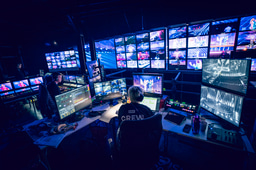
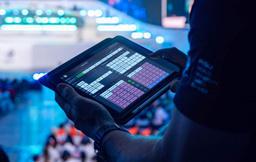
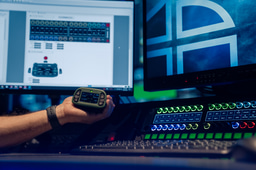
How to Simplify Theater Production Workflows Without Sacrificing Creativity

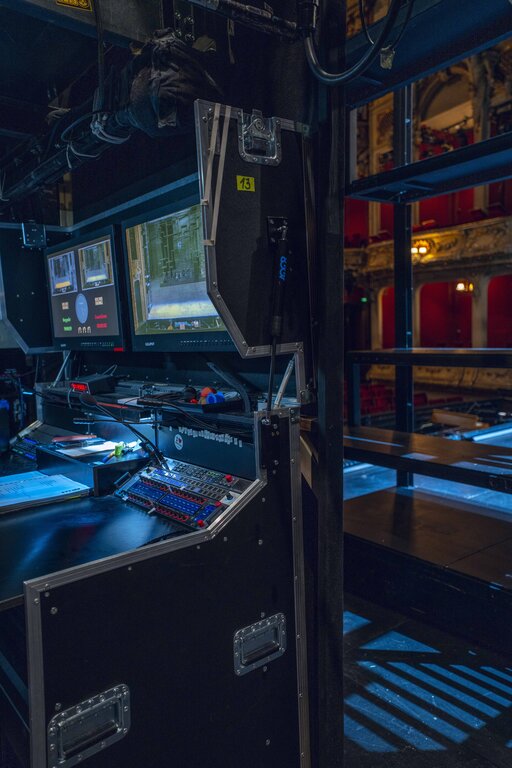



The audience only sees the finished performance. What they don't see is the intricate choreography happening behind the curtain — hundreds of lighting cues, audio changes, scene transitions, video elements, and communications that must all happen at precisely the right moment.
As modern productions become more ambitious, the technology required to support them becomes increasingly complex. The challenge for theater operators is finding ways to streamline backstage operations without limiting the creative possibilities on stage.
Here are five practical steps theaters can take to simplify production workflows and create a more connected, efficient environment for cast and crew.
1. Start by Unifying Communications
Every successful production depends on clear communication.
Stage managers, lighting operators, sound engineers, fly rail operators, wardrobe teams, and backstage crew all need instant access to critical information. When communication systems are fragmented or unreliable, mistakes become more likely and stress levels increase.
The first step toward a more efficient production environment is implementing a communications platform that connects every department into a single, reliable workflow. This ensures everyone receives the right information at the right time and can respond immediately when plans change.
2. Centralize Stage Management Operations
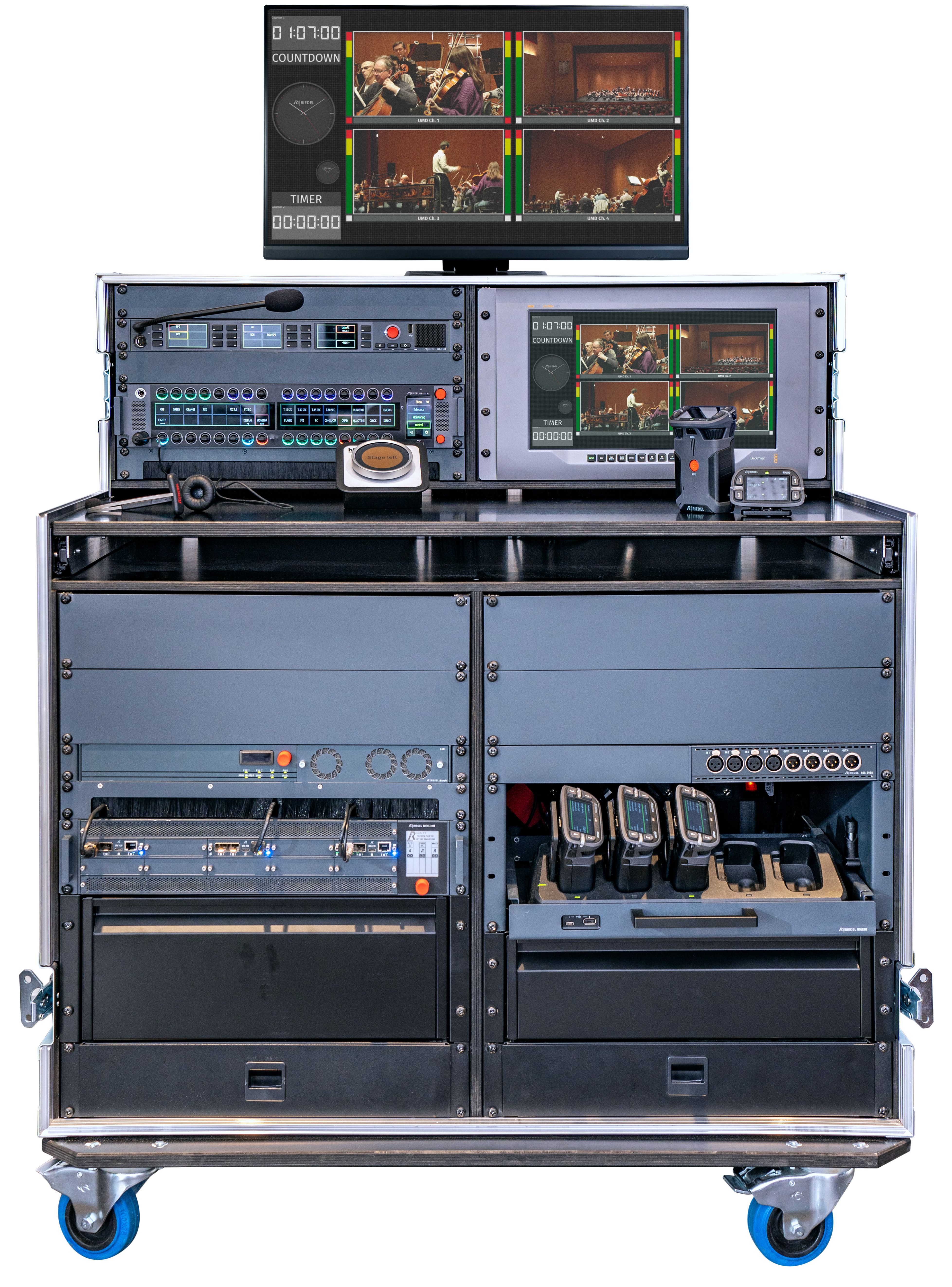
The stage manager is often the operational hub of a production.
From calling cues and coordinating scene changes to communicating with technical teams, the stage manager must maintain complete situational awareness throughout every performance.
Centralizing critical tools, communications, and production controls into a single workspace helps reduce distractions and enables stage managers to focus on execution rather than managing multiple disconnected systems.
When all essential functions are easily accessible from one position, productions become easier to manage and less prone to error.
3. Integrate Rehearsal and Production Tools
Many theaters still rely on separate systems for rehearsals and live performances.
While this may seem manageable, disconnected workflows can create inefficiencies as productions move from rehearsal to opening night.
Integrating rehearsal tools, communications systems, cue management, and production technologies allows creative and technical teams to collaborate more effectively throughout the entire production lifecycle. This continuity improves preparation, reduces setup time, and minimizes surprises during performances.
4. Build Flexibility Into Your Infrastructure
No two productions are alike.
A musical may require a vastly different technical setup than a dramatic play, touring production, or special event. Systems that cannot adapt quickly often create unnecessary labor and operational challenges.
Modern theater infrastructures should be designed to accommodate changing production requirements without requiring extensive reconfiguration. Flexible systems allow venues to support a wider variety of performances while reducing setup and changeover times.
For organizations hosting guest productions or touring shows, mobility and adaptability become even more important.
5. Focus on Technology That Supports Creativity
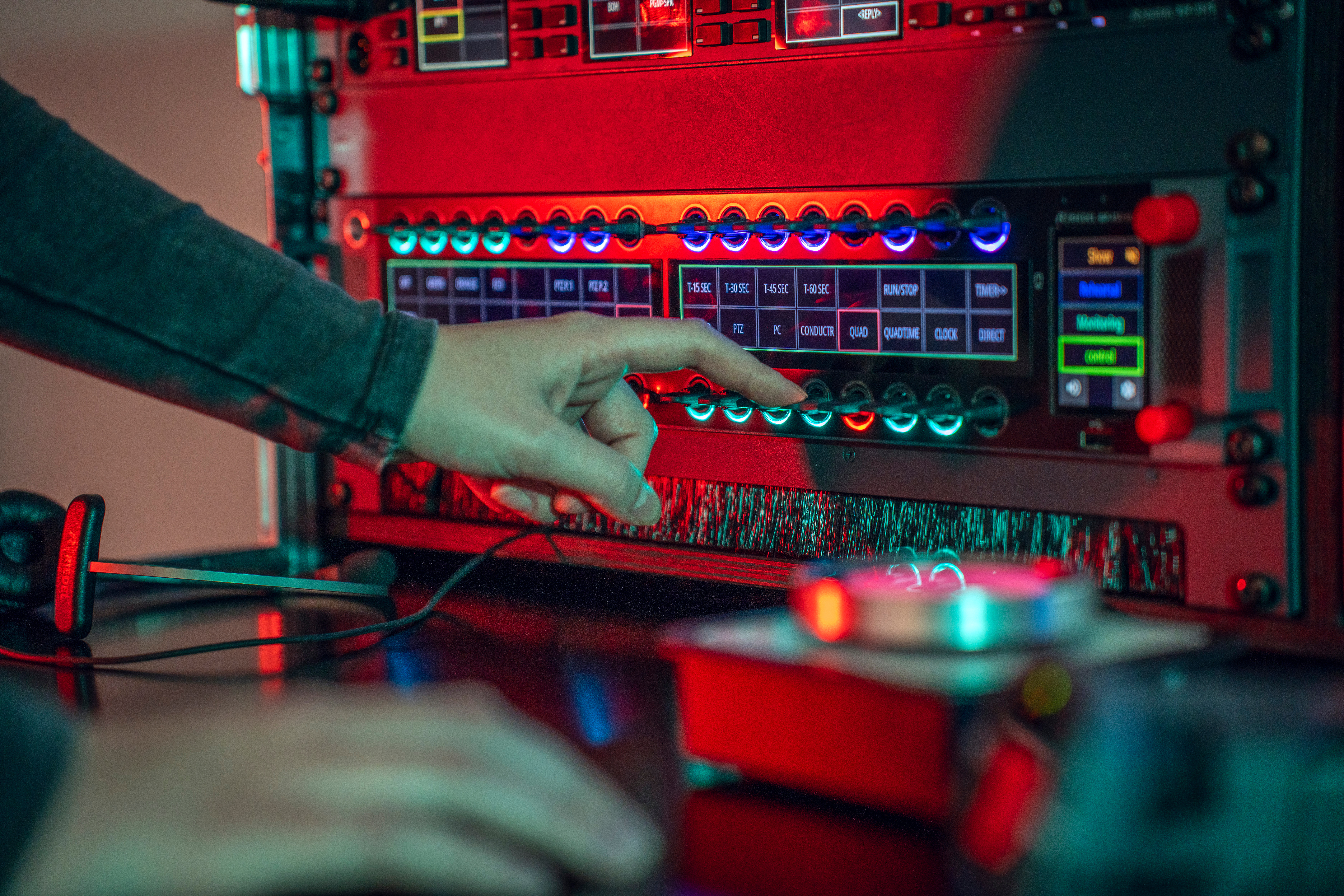
Technology should enable creativity, not complicate it.
The most effective theater solutions are designed around the people using them. User-friendly interfaces, intuitive workflows, and integrated systems help technical teams spend less time troubleshooting and more time supporting artistic goals.
When communication, coordination, and control become simpler, creative teams gain the freedom to focus on storytelling, performance, and audience experience.
Bringing It All Together
As theater productions continue to evolve, success increasingly depends on the ability to coordinate people, technology, and workflows seamlessly behind the scenes.
Integrated solutions like Riedel Stage Systems bring together communications, stage management, and rehearsal tools into a unified workflow that helps technical and creative teams work more efficiently while maintaining the flexibility needed for today's productions.
Because when technology fades into the background, the spotlight can remain exactly where it belongs: on the performance.
Check out the Berliner Ensemble Theatre Press Release: https://www.riedel.net/en/news/news-detail/berliner-ensemble-riedel-stage-systems
Video: : https://www.youtube.com/watch?v=FBx3Rz_QLgc
Learn about Riedel's Stage System and theatre solutions: https://www.riedel.net/fileadmin/user_upload/800-downloads/02-Brochures/EN/Solutions_for_Theater_EN.pdf
If you are at INFOCOMM - stop by Booth N7105 in the North Hall - and see the stage system in person.
Riedel Communications is a leading provider of live production tools in the worlds of media, sports, and entertainment. The company's hard- and software solutions span from distributed video and audio networks over intercom and replay solutions to WAN and MPLS applications. Thanks to Riedel's holistic approach, its three business units — Product Division, Managed Technology Division, and Networks Division — can leverage powerful synergies to provide flexible infrastructures, tools, and services for both fixed and temporary installations around the globe, enabling Riedel customers to run even the most complex projects on-site, remotely, or in the cloud. Riedel is locally headquartered in Santa Clarita, California, with its global headquarters in Wuppertal, Germany. Riedel employs over 1,000 people in 30 locations throughout Europe, Australia, Asia, and the Americas.
https://www.riedel.net/en/