How Houses of Worship Can Build a More Flexible Production Infrastructure

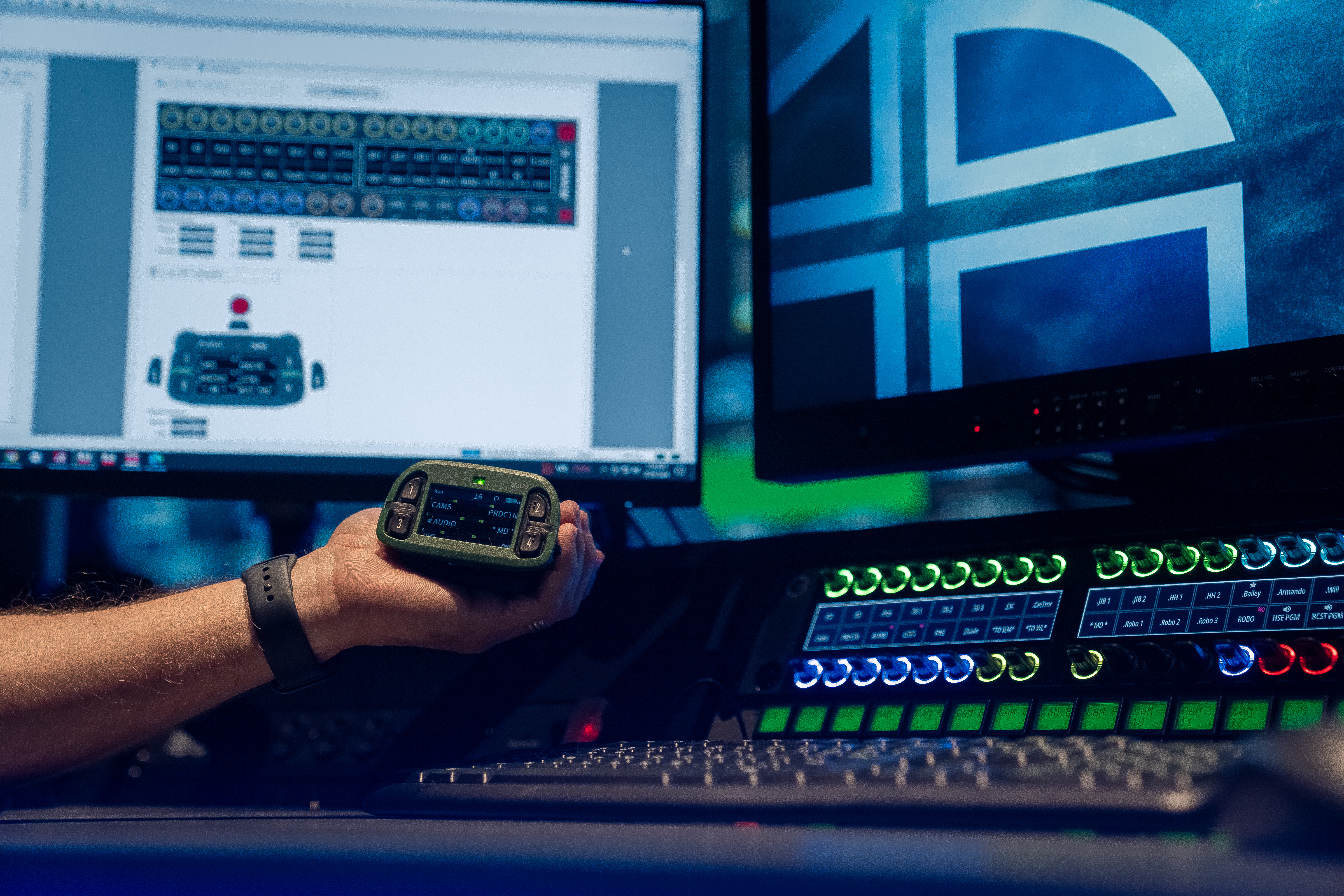
As churches expand their production capabilities, many run into the same challenge: systems that worked well a few years ago are now being asked to do much more. Teams need better communication, greater flexibility, and the ability to support multiple venues or campuses without adding unnecessary complexity.
That was the situation facing Prestonwood Baptist Church in Dallas. What started as a search for a better wireless intercom solution eventually led to a broader upgrade of its communications and signal distribution infrastructure, creating new possibilities for production teams across its campuses.
Here are a few lessons other houses of worship can take from that journey.
Start by Solving the Biggest Pain Point
For Prestonwood, it was communications.
The church's worship center features a large domed structure with significant metal construction, creating challenges for wireless coverage. The production team needed a solution that would work reliably throughout the facility and support a wide range of users, from audio and video operators to lighting and stage management teams.
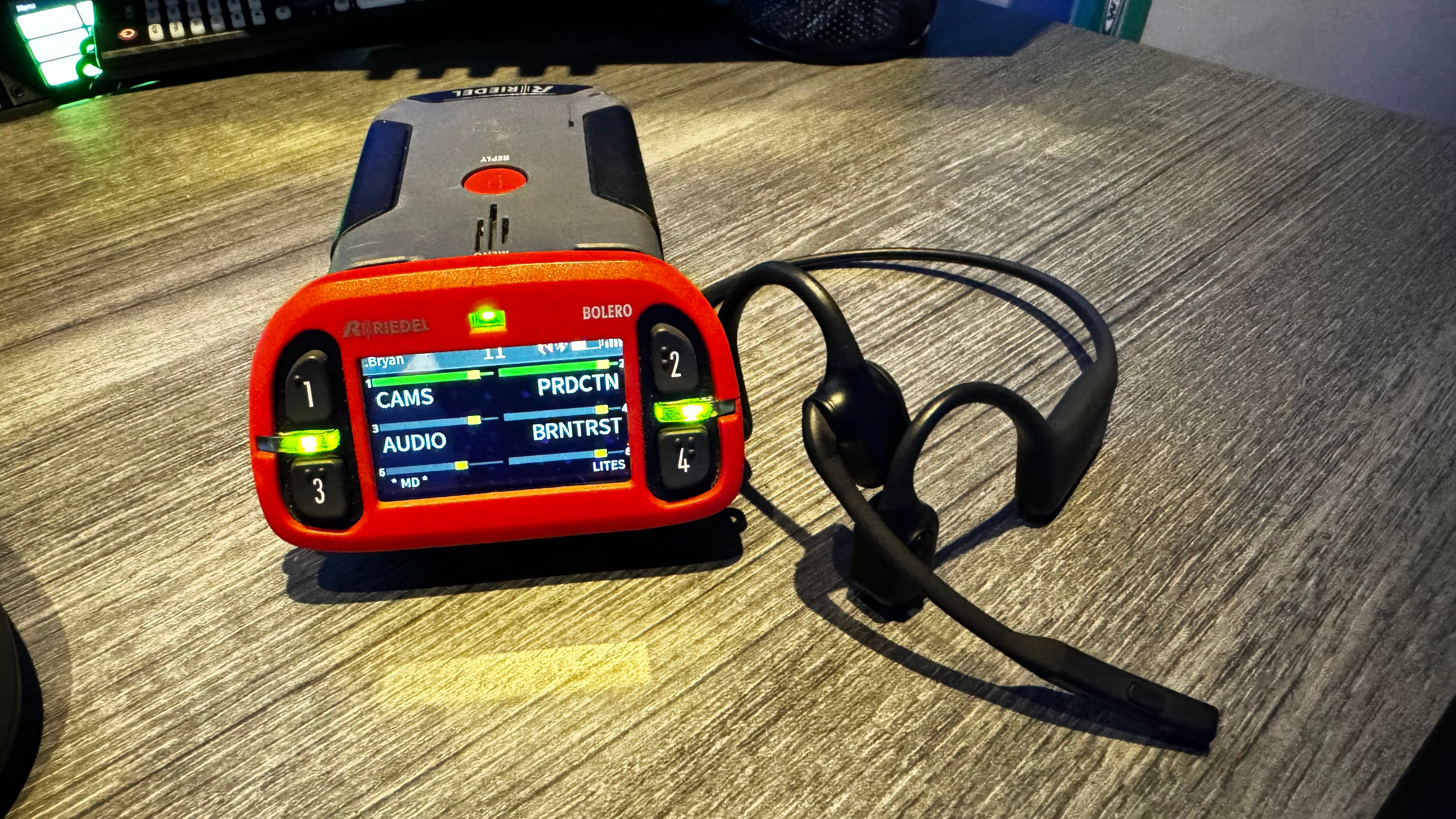
Once they found a system that addressed those challenges, it became clear that there were opportunities to improve other parts of the workflow as well.
The takeaway: you don't need to overhaul everything at once. Start with the issue that affects your team the most and build from there.
Think Beyond Basic Intercom
Communication needs vary across every production team.
An A1 doesn't need the same information as a camera operator. A lighting director communicates differently than a stage manager. As productions become more sophisticated, flexibility becomes just as important as coverage.
By expanding its communications infrastructure, Prestonwood was able to create workflows tailored to different teams and events while giving users more control over how they communicate.
The result was a system that adapted to the production rather than forcing the production to adapt to the system.
Look for Opportunities to Connect Campuses
Many churches now support multiple worship spaces, ministry buildings, or satellite campuses. The challenge is making those locations feel connected from an operational standpoint.
Prestonwood uses fiber connections between campuses to move signals and support production workflows across locations. Rather than operating as isolated facilities, the campuses can share resources and collaborate more effectively.
Even if a second campus isn't in your immediate plans, it's worth considering how today's infrastructure decisions could support future growth.
Get More Value From Your Signal Transport Network
Video is often the primary reason churches invest in signal distribution infrastructure. But modern production networks can do much more than move video from point A to point B.
At Prestonwood, the production team found they could also transport audio, communications, and network traffic over the same infrastructure. That flexibility simplified operations and opened the door to new workflows.
When evaluating signal transport solutions, it's worth asking not only what they can do today, but what they might enable in the future.
Build for What's Next
One of the biggest advantages of a flexible infrastructure is the freedom to try new things.
As production requirements evolve, teams need systems that can adapt without requiring a major redesign every few years. Whether it's supporting a new venue, adding a production space, or introducing a different workflow, scalability matters.
According to Prestonwood's engineering team, some of the most valuable capabilities turned out to be ones they weren't even planning to use when the project began.
That's often the sign of a successful infrastructure investment: it continues to create value long after the installation is complete.
The Bottom Line
Every house of worship has different needs, budgets, and production goals. But the principles remain the same.
Focus on solving real operational challenges. Invest in systems that can grow with your ministry. Look for ways to simplify workflows rather than add complexity. And whenever possible, choose infrastructure that gives your team room to innovate.
The technology itself is important, but the real goal is creating an environment where production teams can communicate more effectively, work more efficiently, and stay focused on delivering the message.
Read the press release: https://www.riedel.net/en/news/news-detail/prestonwood
Learn about MediorNet: https://www.riedel.net/en/products-solutions/distributed-video-networks/mn-micron/hardware
Learn about Bolero: https://www.riedel.net/en/products-solutions/intercom/bolero-wireless-intercom
Riedel Communications is a leading provider of live production tools in the worlds of media, sports, and entertainment. The company's hard- and software solutions span from distributed video and audio networks over intercom and replay solutions to WAN and MPLS applications. Thanks to Riedel's holistic approach, its three business units — Product Division, Managed Technology Division, and Networks Division — can leverage powerful synergies to provide flexible infrastructures, tools, and services for both fixed and temporary installations around the globe, enabling Riedel customers to run even the most complex projects on-site, remotely, or in the cloud. Riedel is locally headquartered in Santa Clarita, California, with its global headquarters in Wuppertal, Germany. Riedel employs over 1,000 people in 30 locations throughout Europe, Australia, Asia, and the Americas.
https://www.riedel.net/en/