
Inclusion: Hybrid Practice Speech Intelligibility
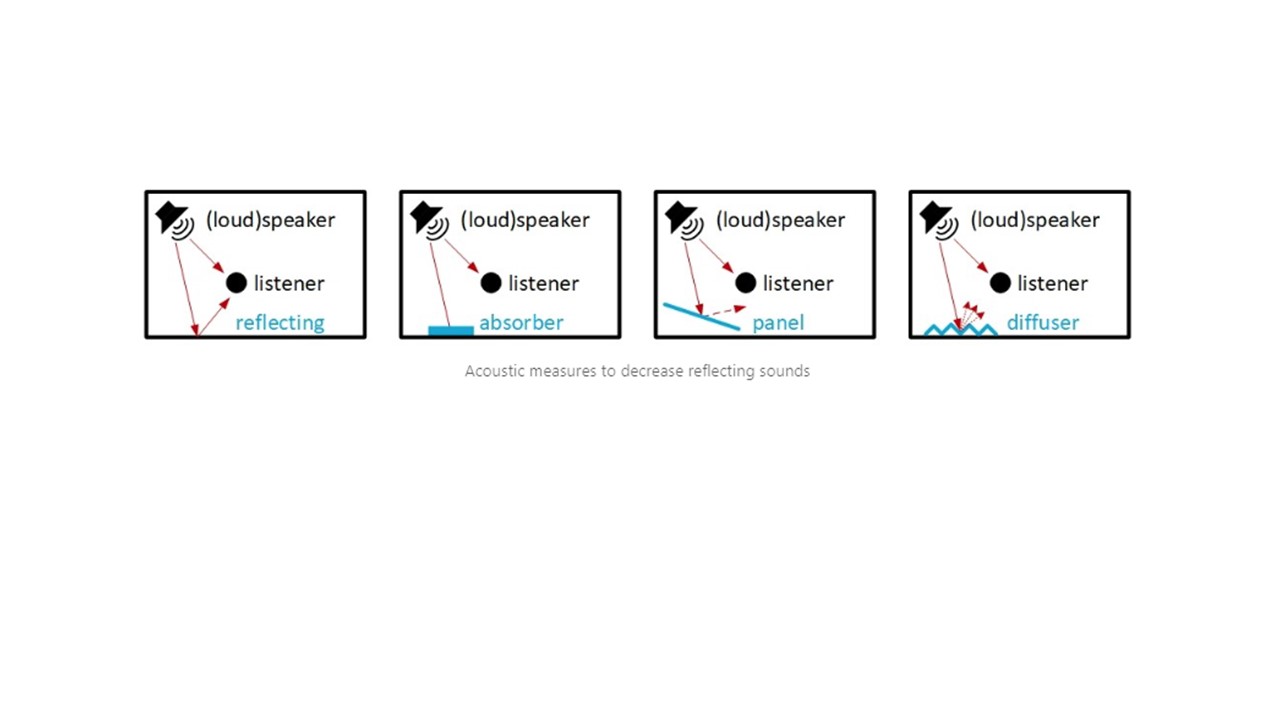



"...speech intelligibility is not always compensated by just amplifying it." In this 3-part series, @Piet van der Zanden , Education Expert AV-IT in Teaching and Learning Spaces at TU Delft, demonstrates his experience as a hard-hearing listener at the far end of a hybrid meeting and discusses the various acoustic characteristics that affect speech intelligibility.
Parts I & II are linked from the article: Inclusion: Hybrid Practice Speech Intelligibility Part III | LinkedIn

A marketing professional and 20-year AV industry veteran, I am a proud CTS holder and enthusiastic #AVfoodie who is passionate about innovative technologies, design, and all things AV.
I look forward to connecting with you here on Xchange and invite you to join me on LinkedIn as well.
To reach me, please message me on LinkedIn, as I am unable to reply to conversations here.


Please sign in
If you are a registered user on AVIXA Xchange, please sign in
"...speech intelligibility is not always compensated by just amplifying it." In fact, depending on the acoustics of the room, it may just amplify the problem. I had a client with a small multi-purpose space who tried to use it for presentations. He couldn't be understood due to the long reverb time, so he tried using a portable system. It only made the problem worse. After we installed wall and ceiling acoustic panels, he could do presentations unamplified with better speech intelligibility than he had ever experienced in the room. He was delighted with the outcome.