Global AV standards are meant to create consistency.
- Consistent user experience
- Consistent procurement and deployment
- Consistent support model
Sounds straightforward.
But once those standards leave Global HQ and land in APAC, reality shows up.
Gaps begin to appear and sometimes, the global standard starts to break before the room is even built.
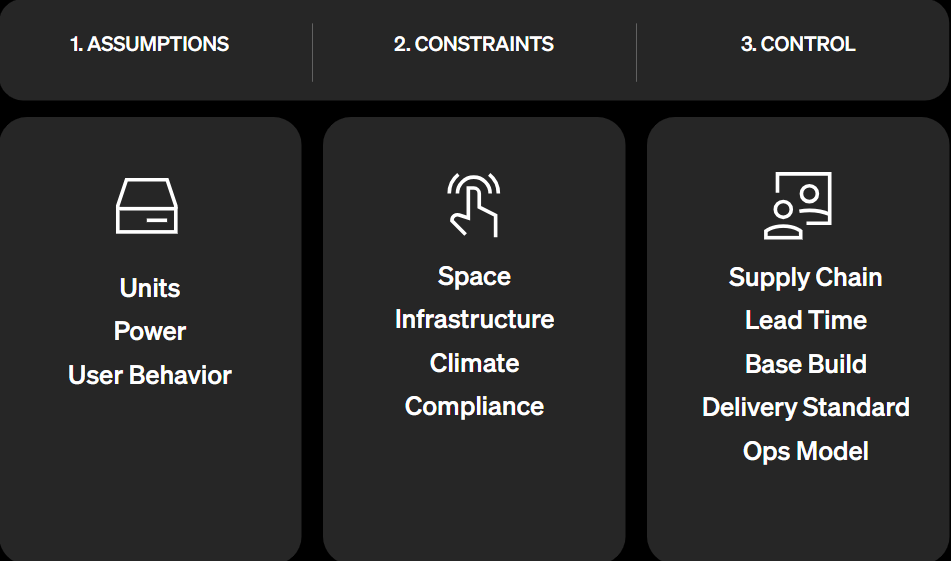
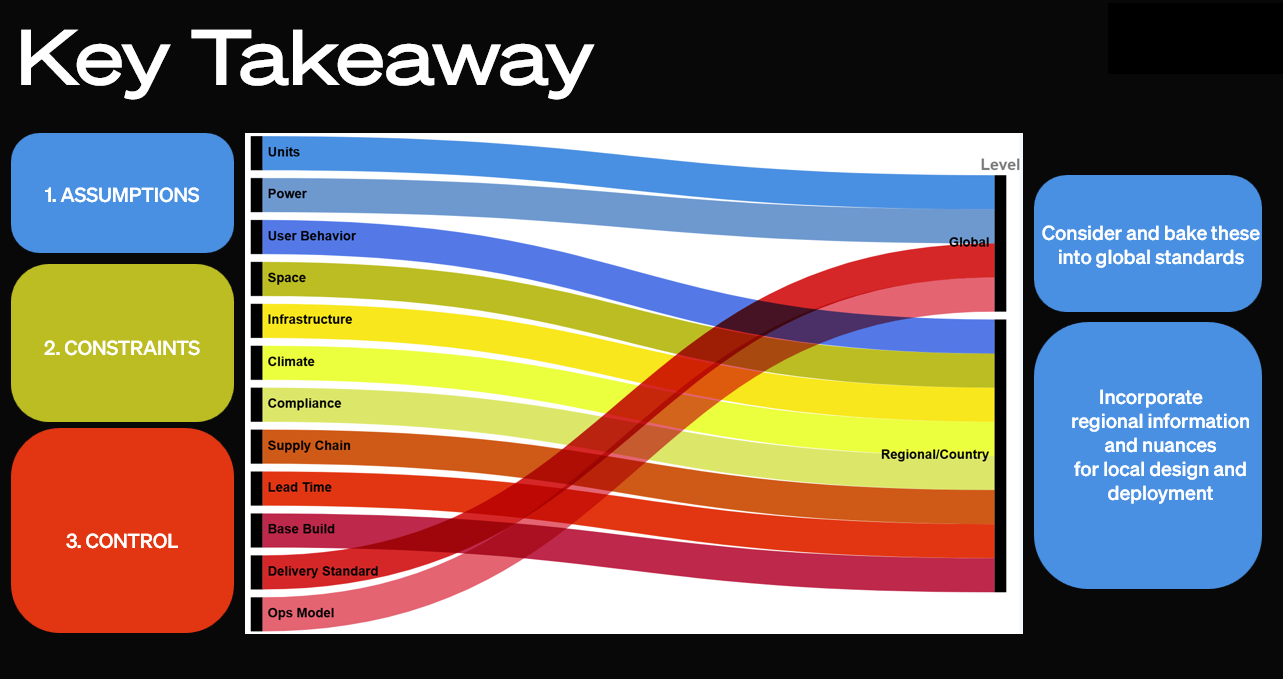
In a recent presentation, I framed the challenge around three pillars:
Assumptions. Constraints. Control.
- We assume things that aren’t true
- We hit constraints we didn’t plan for
- We lose control of the outcome
This isn’t just a “Global-to-APAC” problem. The same friction appears whenever standards move across regions including those designed in APAC and deployed elsewhere.
Assumption 1: Units
This might sound obvious, but I’ve encountered projects where drawings were provided only in feet and inches, requiring manual conversion to metric during design and coordination.
In regions where metric is standard, this introduces unnecessary risk, especially for equipment sizing, mounting heights, and spatial coordination. A better practice is to show primary units with secondary units in brackets, for example: 1.00" [25.4 mm].
![]()

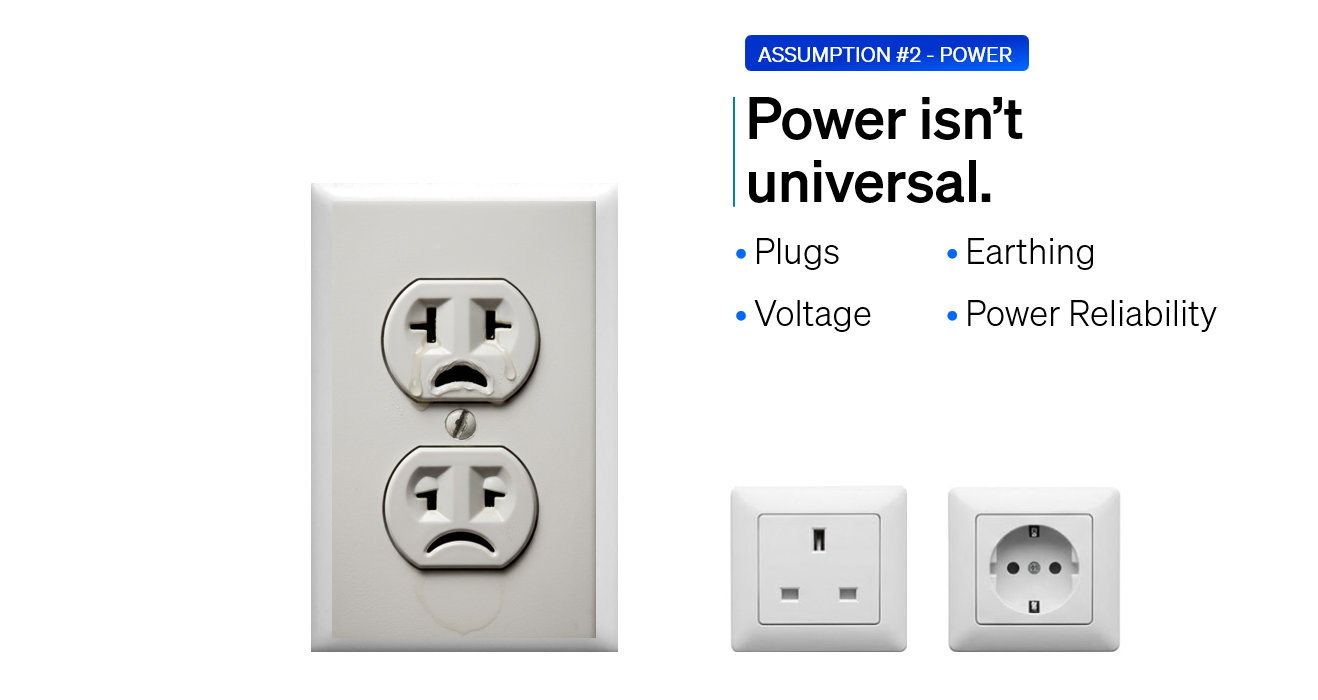
Assumption 2: Power
With great power comes great responsibility.
Power standards differ across regions. USA 110–120V, Japan 100V, UK and Singapore 230V.
Yet global designs often assume compatibility. Ignoring power differences can turn a standard deployment into a redesign.
I learned this the hard way 15 years ago when I plugged a US-imported DJ console into a local socket and blew the RCA outputs.
![]()
Assumption 3: User Behavior
What works for you may not work elsewhere.
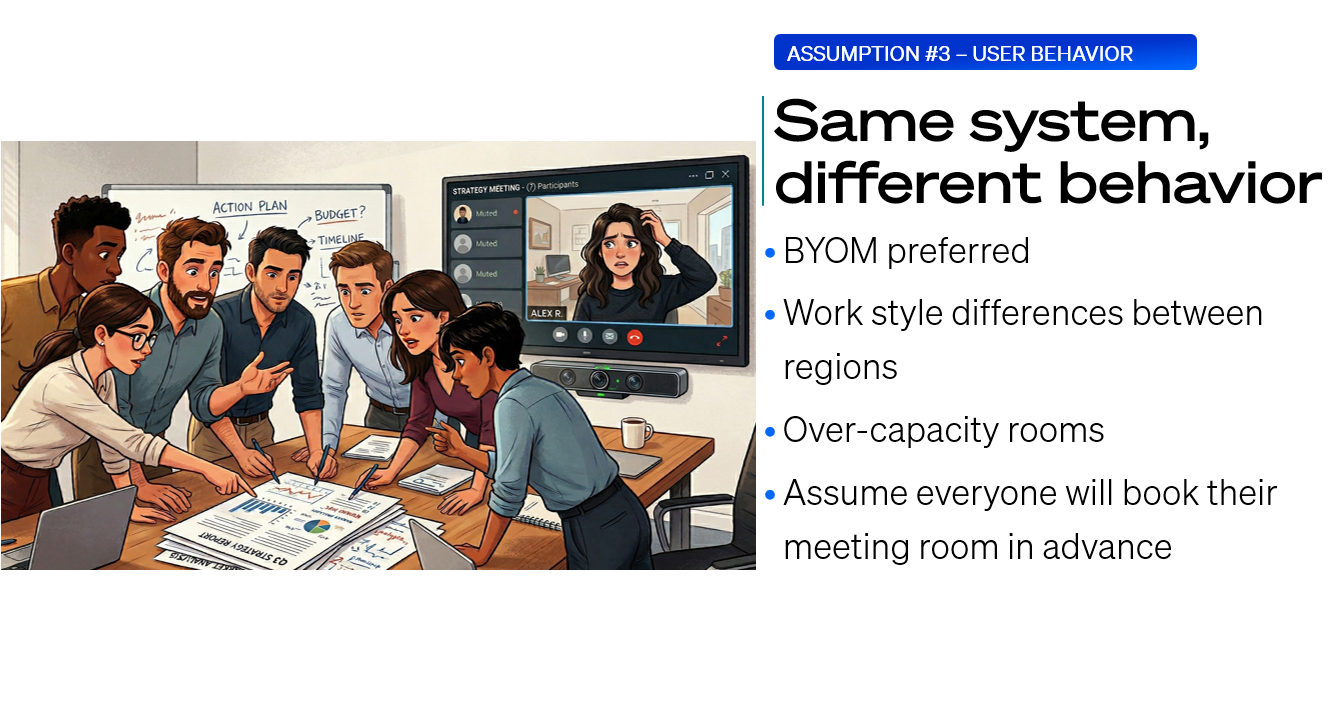
I stepped into a hybrid meeting where participants in the room were discussing around a printed drawing. The far-end participants were effectively excluded.
User behavior varies across regions, teams, and cultures. Survey local workstyles and communicate requirements early in every project.
Constraint 1: Space
The CAD, BIM, and 3D renders are complete. The design is approved.
But how do you bring the elephant into the room?
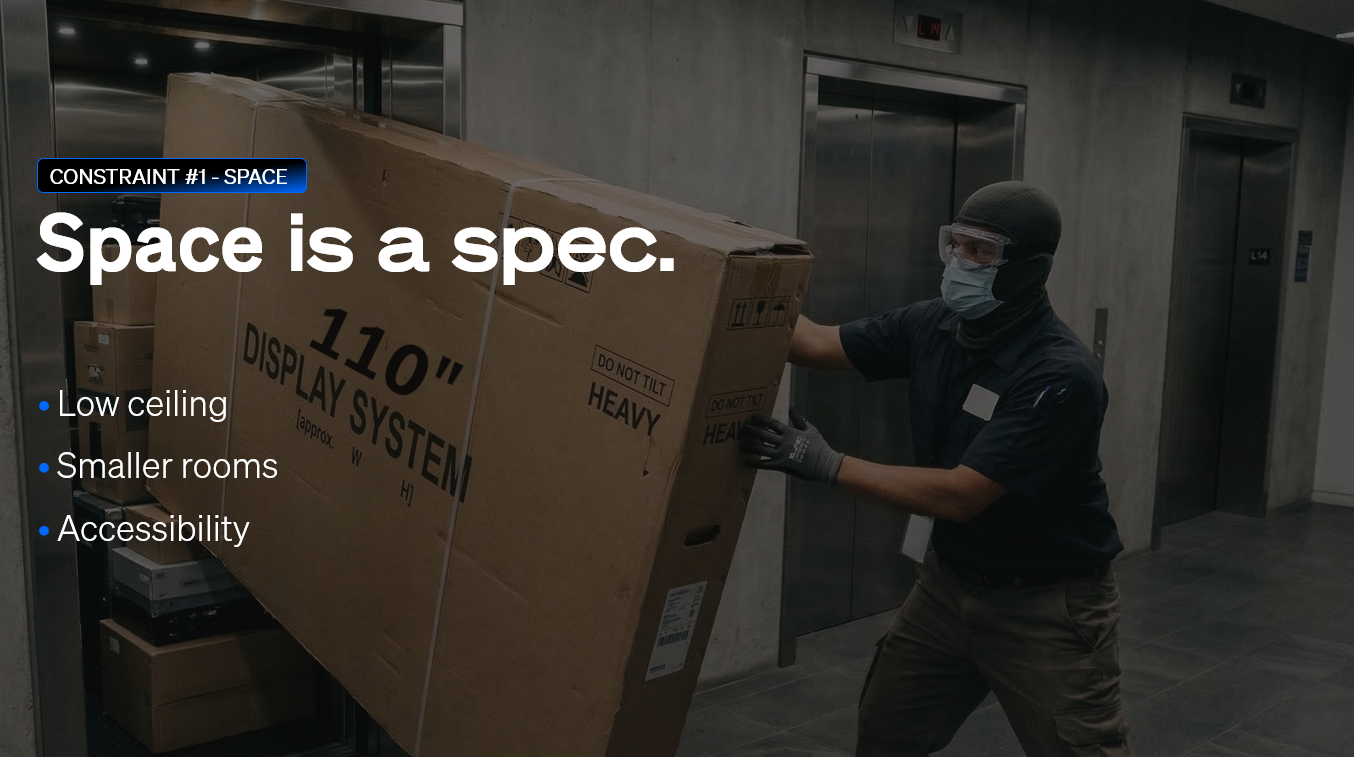
In one project, the building only had a consumer elevator and no service lift.
The large-format display simply couldn’t fit. Carry it up the stairs, or break the standard.
Physical constraints like lift size, corridor width, and access routes are often overlooked until deployment.
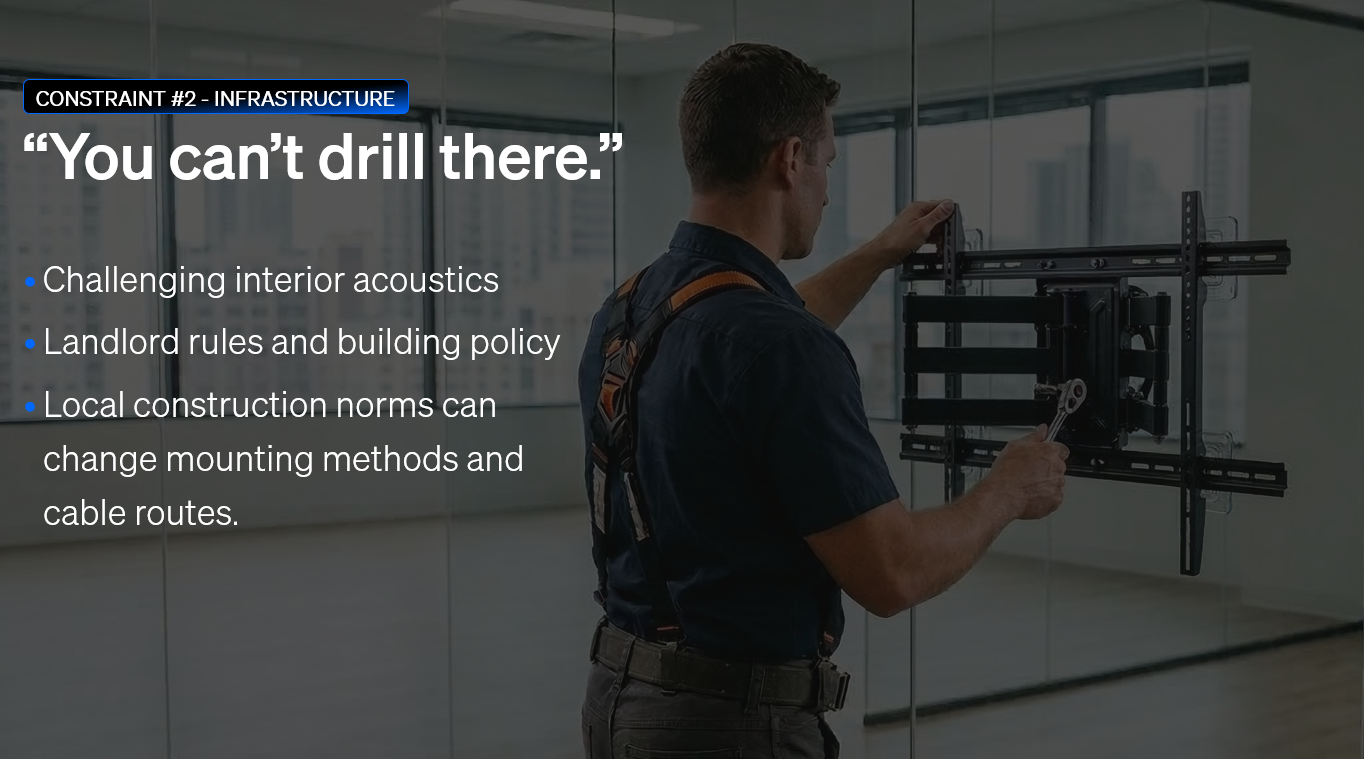
![]() Constraint 2: Infrastructure
Constraint 2: Infrastructure
Enterprise offices are often leased, not owned. To add to the challenge, local designers sometimes favor four-sided glass room and minimalist aesthetics. They look great but are acoustical beasts to manage.
Global standards may call for wall-mounted displays. But with full glass walls, the standard quickly breaks and it’s just the beginning.
Constraint 3: Climate
Climate isn’t just environmental but it directly affects reliability. AV equipment placed near coastal air, high humidity zones, or dusty environments is more susceptible to corrosion, condensation, and particle ingress, which can significantly shorten system lifespan.
From past experience on deployment in Japan, seismic requirements change how AV systems are physically deployed. Ceiling-mounted equipment must comply with drop-prevention and secondary safety wiring to the ceiling slab. Even cable containment and overhead hardware must be rated for movement.

Constraint 4: Compliance
Not every product can be deployed everywhere. RF spectrum allocations, certification requirements, and import regulations vary by country.
A wireless microphone that works in one region may be prohibited in another. The same product may require different SKUs, certifications, or approvals before it can even enter the country.
Examples of mandatory import certifications include BIS in India, KC in South Korea, and SNI in Indonesia.

Control 1: Supply Chain
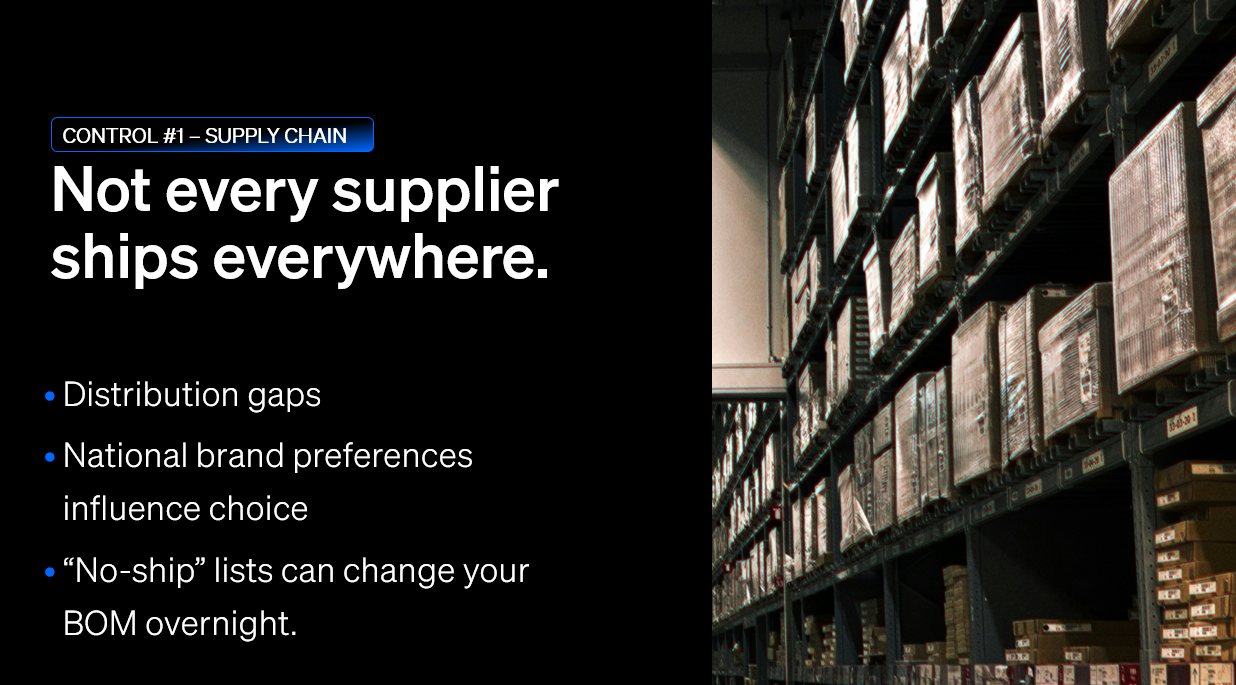
Not every supplier ships everywhere. Distribution gaps, local brand preferences, protectionism and regional stock availability all influence what can actually be deployed.
A product specified in the global BOM may not be available locally, or may come with long lead times. Some vendors maintain “no-ship” country lists, forcing last-minute substitutions that impact design and integration. That's where global standard breaks.
Control 2: Lead Time
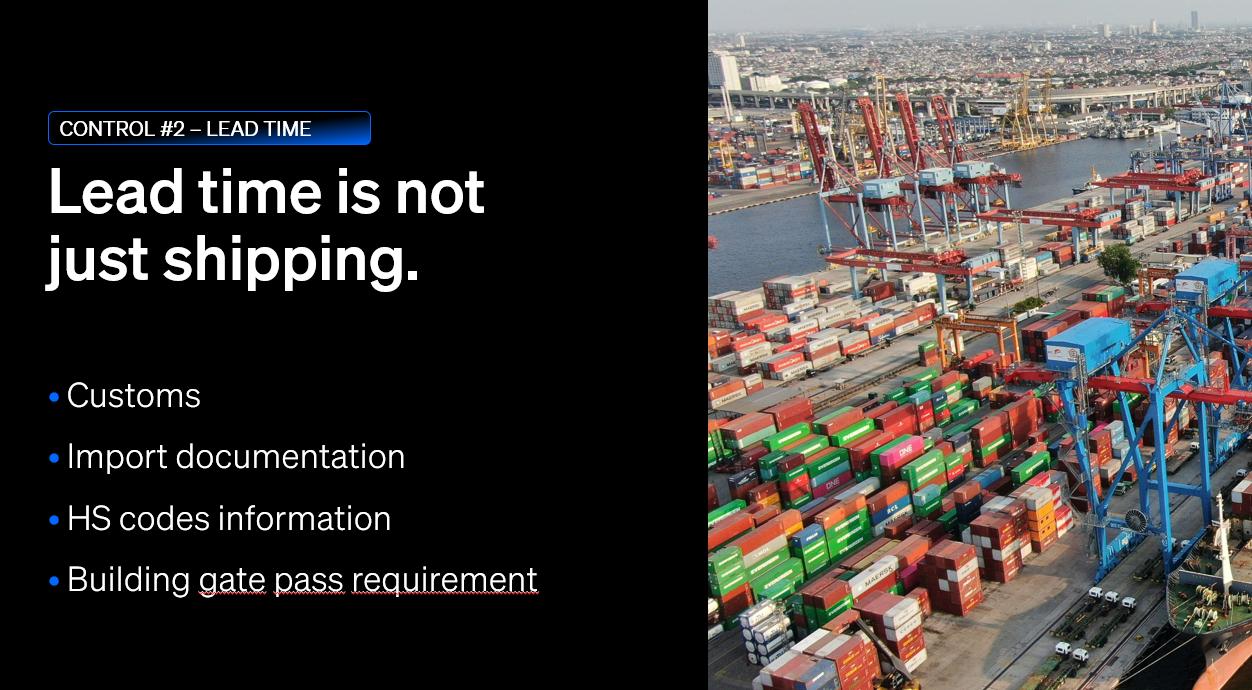
Lead time is more than shipping. Customs clearance, import documentation, and HS code classification can all delay equipment before it even reaches site.
Even after arrival, local procedures such as delivery booking, building gate passes application, and site access restrictions can add unexpected days or weeks. What looks available on paper may not align with construction timelines.
Control 3: Base Build
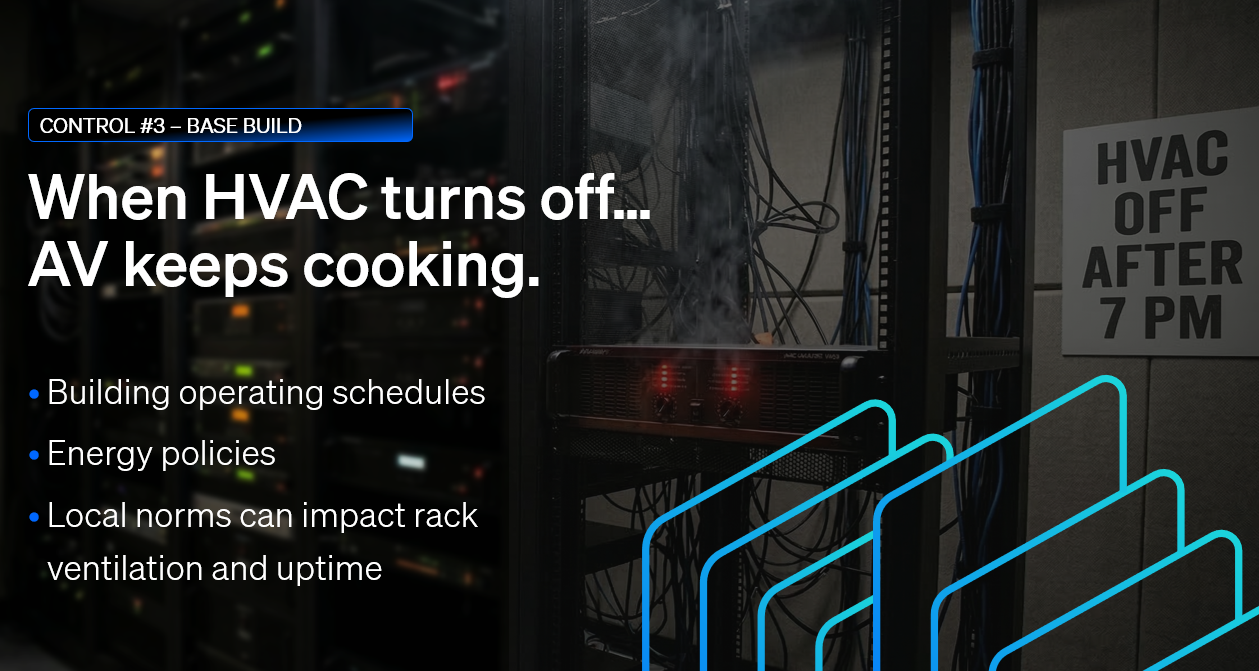
Media servers and core processors often run beyond office hours, but building HVAC does not. Energy policies, after-hours shutdowns, and base-build limitations can leave racks operating in rising temperatures. Early coordination with facilities and operations teams for cooling schedules or dedicated power is critical to maintaining reliability and ensuring equipment longevity.
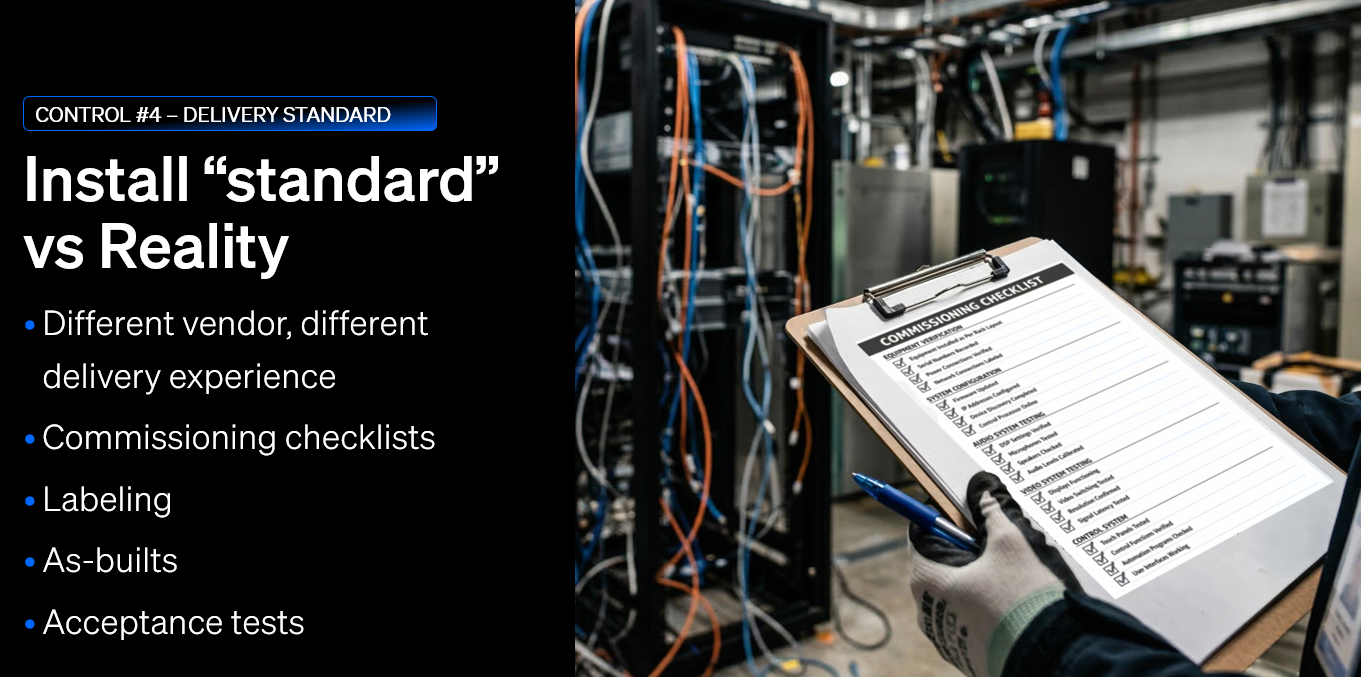
Control 4: Delivery Standard
How often does every item on the commissioning checklist get greenlighted, yet the site reality tells a different story?
Different vendors, local practices, and varying engineering skill levels lead to inconsistent delivery quality. Commissioning checklists, labeling standards, as-builts, and acceptance testing become critical to maintaining consistency. With project management tools and 360 site survey tool integrated with , we can better track project quality.
Control 5: Operations Model
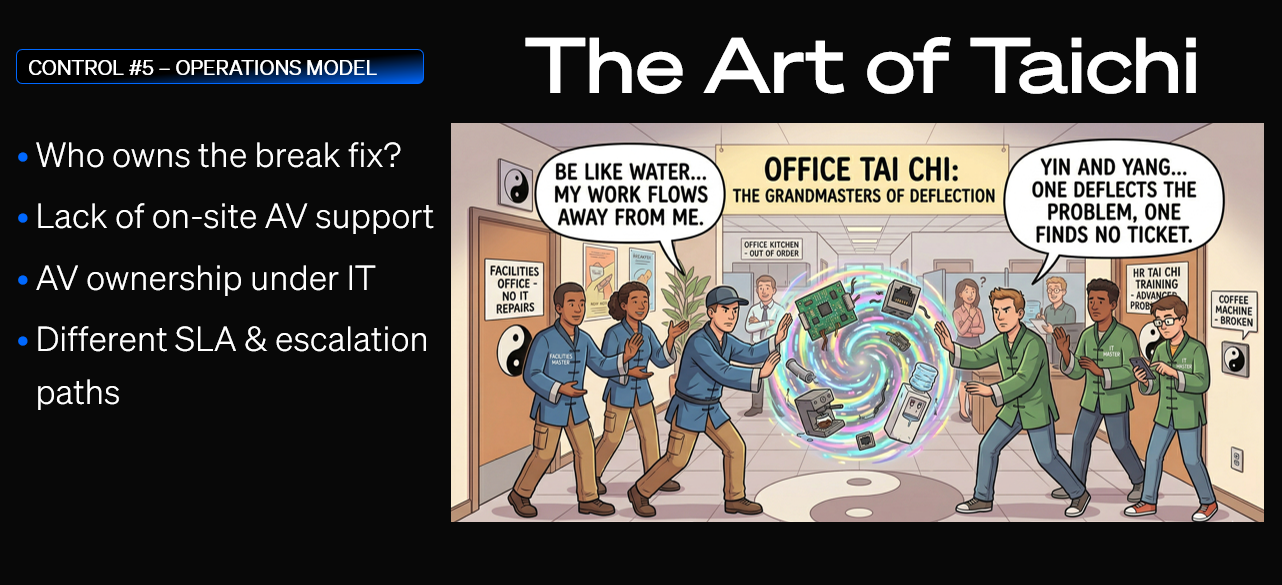
After a global standard is deployed, ownership becomes the next challenge. AV may sit under IT, facilities, or a shared model, each with different priorities and SLAs.
Without clear break-fix ownership, escalation paths, and on-site support, issues get deflected instead of resolved. The technology may be standardized, but operations determine the user experience.
In some parts of Asia, the term “Taichi” is used to describe the act of deflecting responsibility, where an issue is passed around until no one owns the problem.
Key Takeaway
Global standards don’t fail because the technology is wrong. They fail when local realities are ignored. The goal isn’t to abandon global standards, but to design them with regional intelligence and working culture in mind.
When developing global standards, bake in inclusive details such as units, power requirements, delivery expectations, and operational ownership.
Incorporate regional input across the 3 pillars (Assumptions, Constraints and Control) early in the every possible project, not as an afterthought during deployment.
This won’t create a perfect global standard, but it will bring you much closer and improve the success of global deployments.









Please sign in or register for FREE
If you are a registered user on AVIXA Xchange, please sign in