EKU Modernizes Campus Production with Hybrid IP Infrastructure
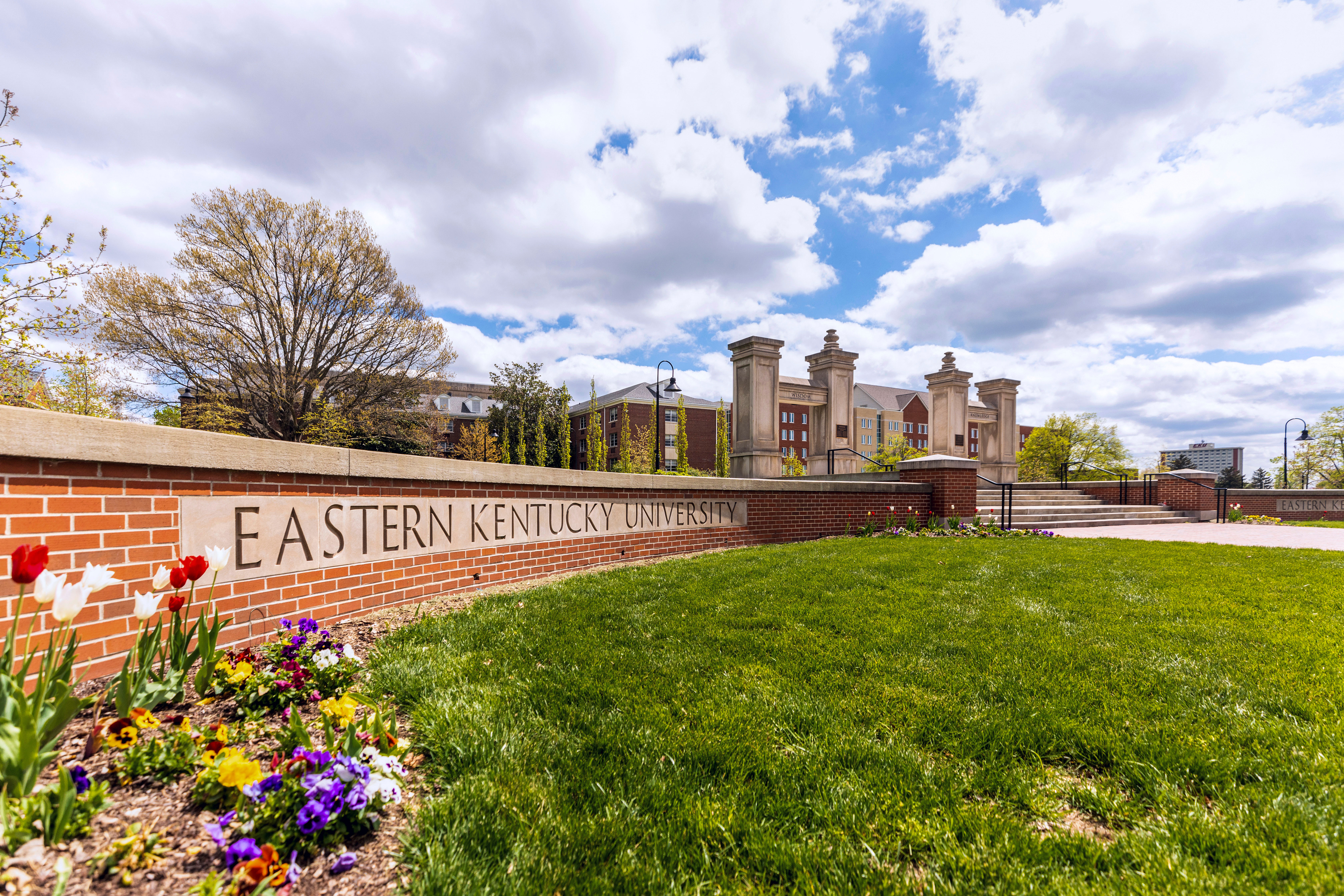
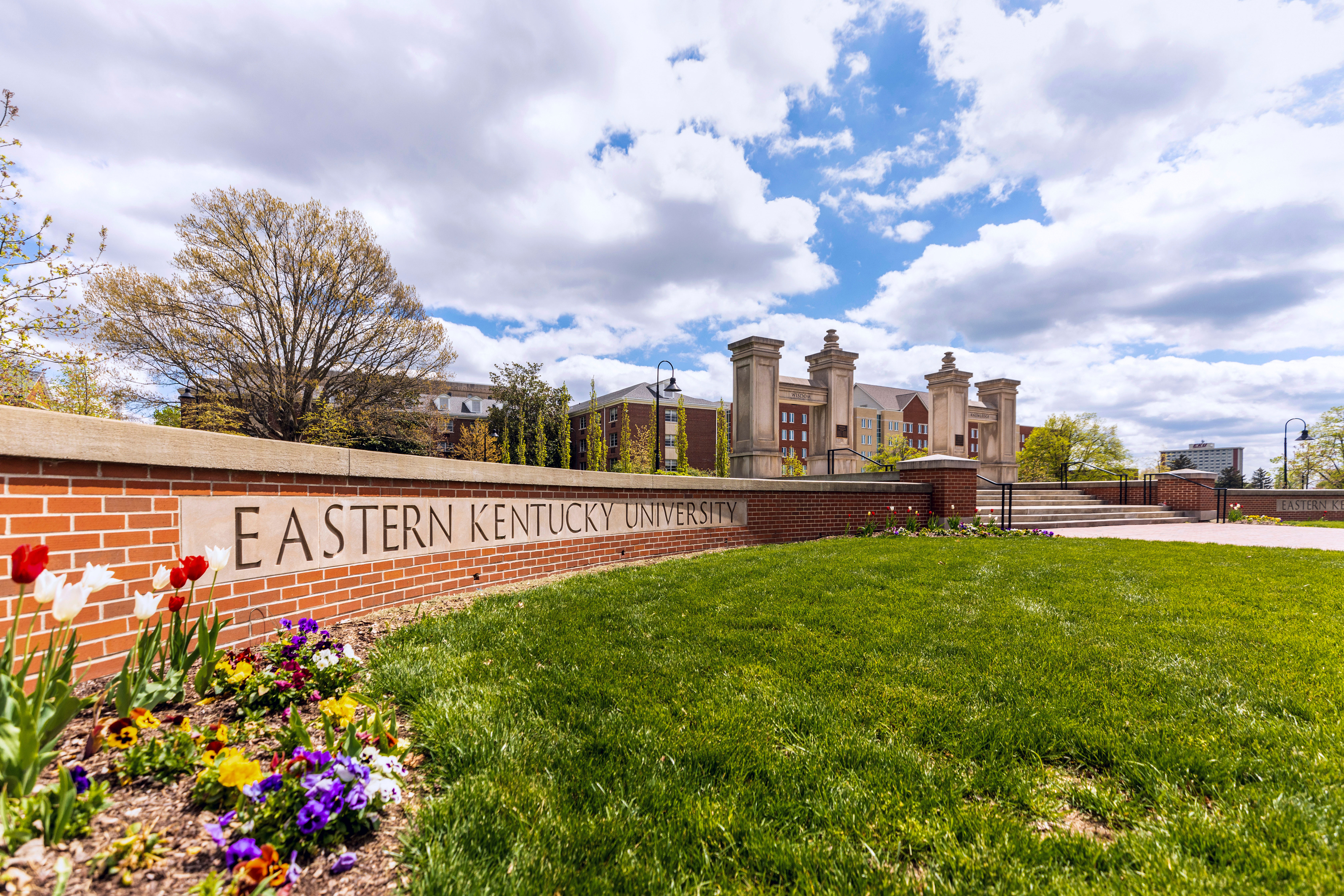
Eastern Kentucky University (EKU) recently tackled the challenge to upgrade their facility head-on, transforming its campus-wide production environment through a Riedel Communications MediorNet-based IP production and communications infrastructure that blends modern SMPTE ST 2110 workflows with existing SDI systems.
The result is a flexible, scalable ecosystem that supports both operational growth and student learning.
Like many institutions, EKU had long relied on a traditional SDI production environment. While reliable, SDI can become limiting as production demands increase across multiple venues and departments.
To address this, EKU partnered with industry experts to design and deploy a campus-wide infrastructure built around SMPTE ST 2110-enabled IP production. Rather than creating isolated systems for individual venues, the university adopted a unified approach that connects key facilities through its existing 100-gigabit campus fiber network.
This network links major production spaces including Alumni Coliseum, the Perkins Building, and the Center for the Arts, allowing any source to be routed to any destination across campus.
The impact is immediate: live sports, performing arts productions, and campus events can now share resources and production capabilities more efficiently than ever before.
A Hybrid Approach That Makes Sense
What makes EKU’s deployment particularly noteworthy is its hybrid strategy.
Many institutions considering IP migration face concerns around cost, complexity, and disruption. Full rip-and-replace projects often strain budgets and require extensive retraining.
EKU took a different path.
By combining legacy SDI systems with a modern IP backbone, the university preserved existing investments while unlocking the advantages of IP production. Leveraging its established fiber infrastructure, EKU integrated MediorNet FusioN frames alongside MuoN processing SFPs, avoiding costly infrastructure replacement while significantly increasing system flexibility and scalability.
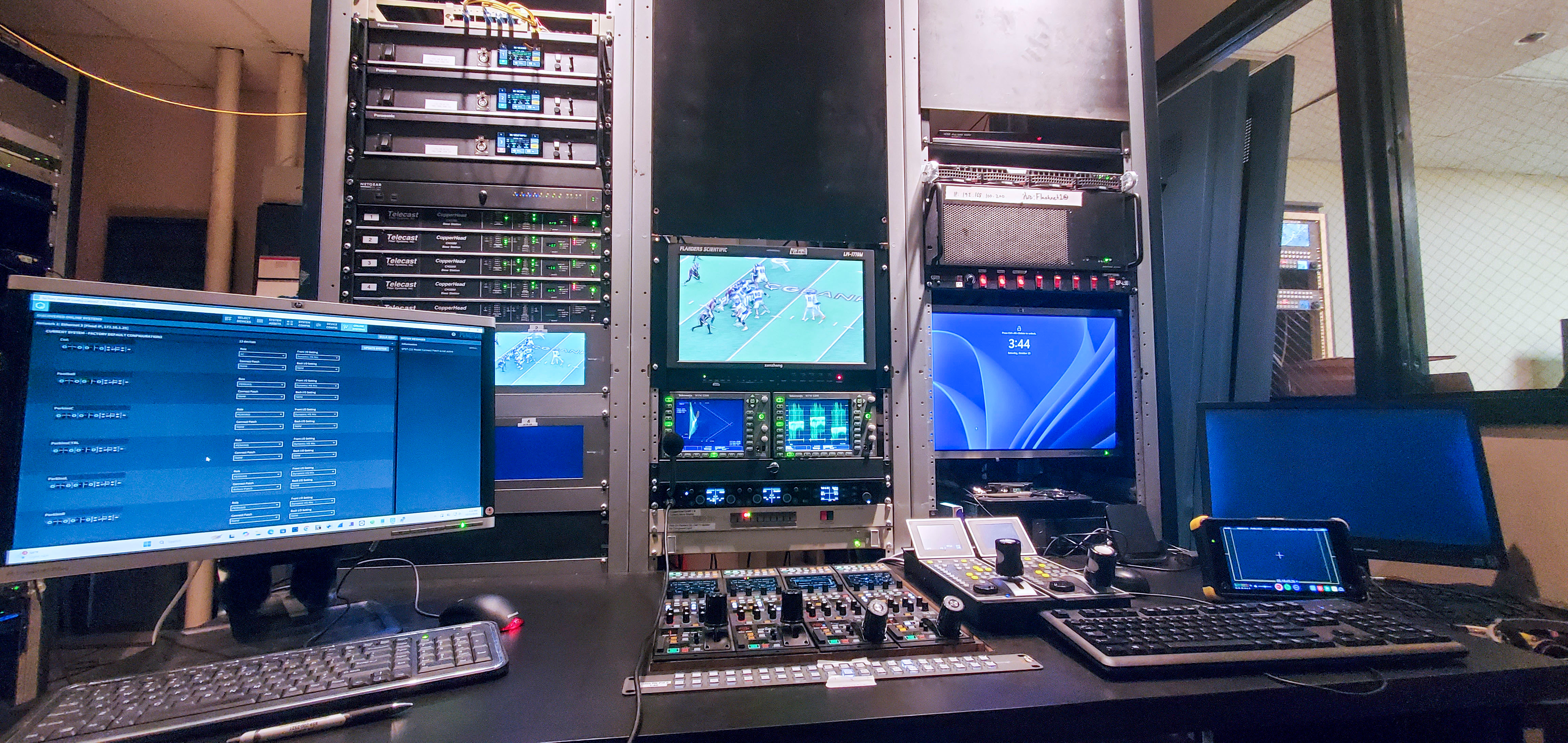
This approach demonstrates a practical roadmap for higher education facilities navigating similar
modernization challenges.
Rather than abandoning proven technologies, EKU created an environment where SDI and IP coexist seamlessly.
Building a Unified Production Ecosystem
At the heart of the system is a carefully designed architecture that unifies audio, video, and communications campus-wide.
The deployment incorporates:
- An existing Campus fiber network for transport
- MediorNet MuoN A processing SFPs for gateway conversion and synchronization
- FusioN frames providing local I/O, multiviewing, and SDI integration
- Wireless Bolero intercom systems paired with wired PunQtum partyline communications for dependable coordination
Together, these technologies create a cohesive production environment that supports reliable communications and streamlined operations across venues.
Instead of managing disconnected systems with venue-specific workflows, EKU now operates within a shared infrastructure designed for consistency and growth.
Simplifying Operations Across Campus
One of the less obvious—but highly valuable—benefits of EKU’s implementation is workflow consistency.
In many campus environments, operators encounter different interfaces, signal paths, and setup procedures depending on the venue. That inconsistency increases training requirements and slows production setup.
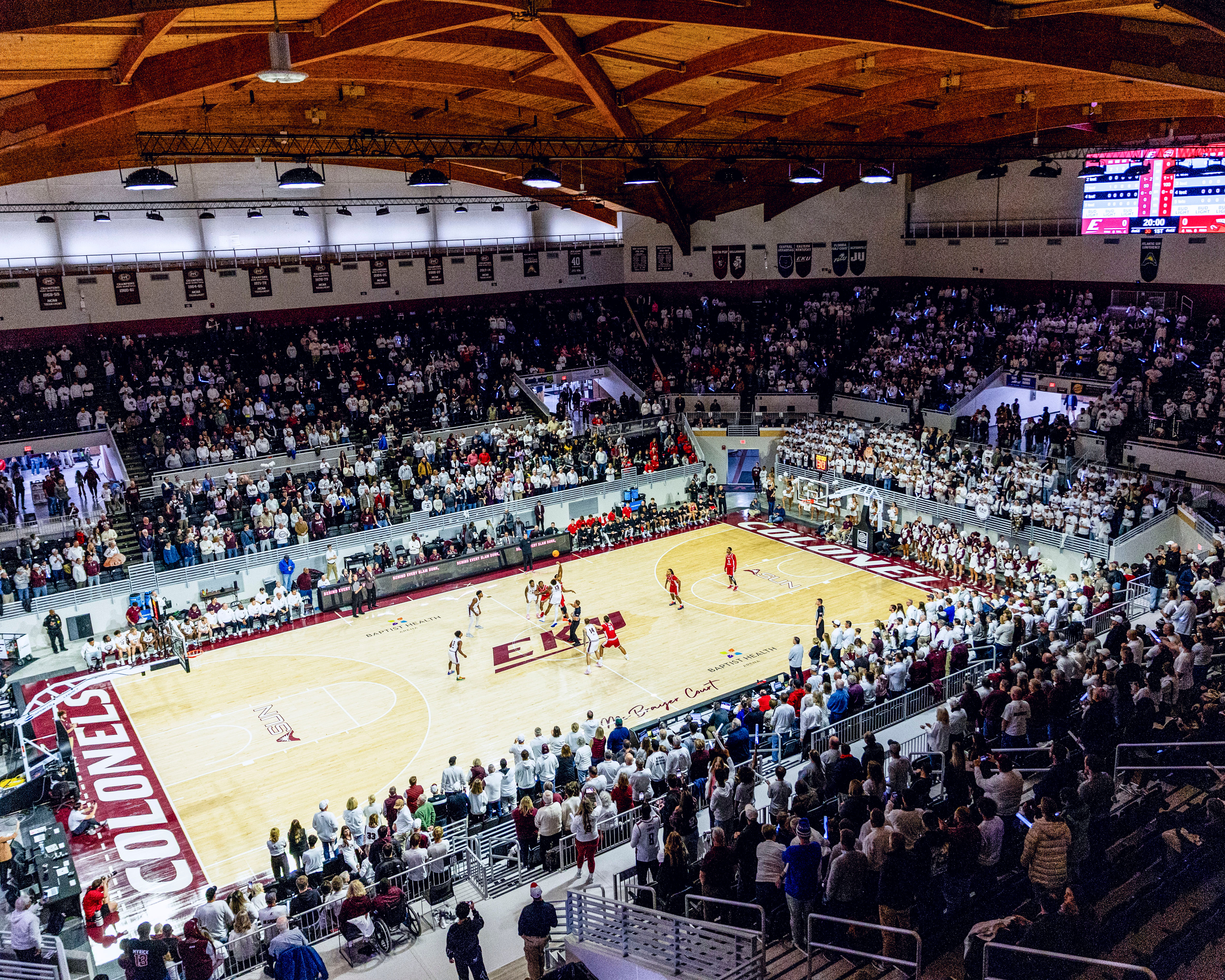
EKU addressed this challenge by creating a standardized user experience across facilities.
Operators can move between venues without extensive retraining or system reconfiguration. Consistent workflows reduce setup time, improve efficiency, and help production teams focus on content rather than infrastructure management.
For institutions supporting multiple event types and production crews, this operational consistency can be just as valuable as the technology itself.
Creating Educational Value Through Technology
Beyond production efficiency, the project also serves a broader educational mission.
By deploying advanced broadcast technologies used in professional environments, EKU gives students direct experience with IP-based production systems and modern communications workflows.
Hands-on exposure to SMPTE ST 2110 environments, gateway conversion, routing, and integrated communications provides valuable preparation for careers in live production and broadcast engineering.
This dual-purpose investment—enhancing both campus operations and student learning—highlights why infrastructure modernization increasingly matters in higher education.
A Model for Future Campus Production
EKU’s MediorNet-based deployment illustrates an important lesson for colleges evaluating infrastructure upgrades: modernization does not have to mean starting over.
Through collaboration between university production and engineering teams, integration specialists, and technology partners, EKU delivered a scalable, future-ready system that balances innovation with practicality.
By embracing a hybrid SDI/IP strategy, leveraging existing fiber resources, and prioritizing workflow consistency, the university has positioned itself to support growing production demands while preparing students for the future of media technology.
For AV professionals working in higher education, EKU’s project offers a compelling example of how thoughtful infrastructure design can elevate both production capabilities and educational outcomes.
Read press release: https://www.riedel.net/en/news/news-detail/eastern-kentucky-university
Riedel Communications is a leading provider of live production tools in the worlds of media, sports, and entertainment. The company's hard- and software solutions span from distributed video and audio networks over intercom and replay solutions to WAN and MPLS applications. Thanks to Riedel's holistic approach, its three business units — Product Division, Managed Technology Division, and Networks Division — can leverage powerful synergies to provide flexible infrastructures, tools, and services for both fixed and temporary installations around the globe, enabling Riedel customers to run even the most complex projects on-site, remotely, or in the cloud. Riedel is locally headquartered in Santa Clarita, California, with its global headquarters in Wuppertal, Germany. Riedel employs over 1,000 people in 30 locations throughout Europe, Australia, Asia, and the Americas.
https://www.riedel.net/en/
Recommended Content
SONY AV Tech Expo coming to Chicago, IL!
The Translation Problem Nobody Budgets For