DIGITAL COLLABORATION
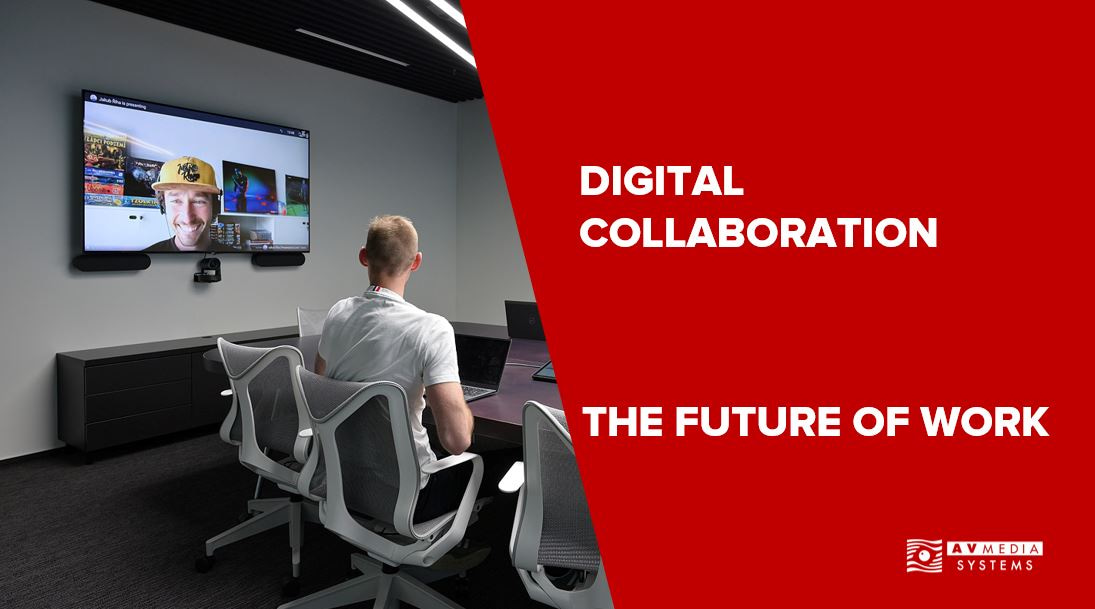





Welcome to the Future of Work newsletter. Today we will focus on DIGITAL COLLABORATION.
The focus of digital collaboration in modern organizations is high-performing teams of people who attract other members to actively participate. These teams are formed to solve problems: to introduce a new product to the market, to optimize a process, to analyze market trends, to understand the needs and wants of customers, and so on.
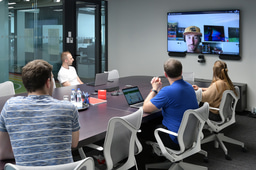
Thanks to digital collaboration, it is not necessary to group employees by "location", but by the "problem" they are working to solve. Teams work through digital tools and communication platforms and use physical locations as needed, such as in the office, from home, on the road or in coworking spaces.
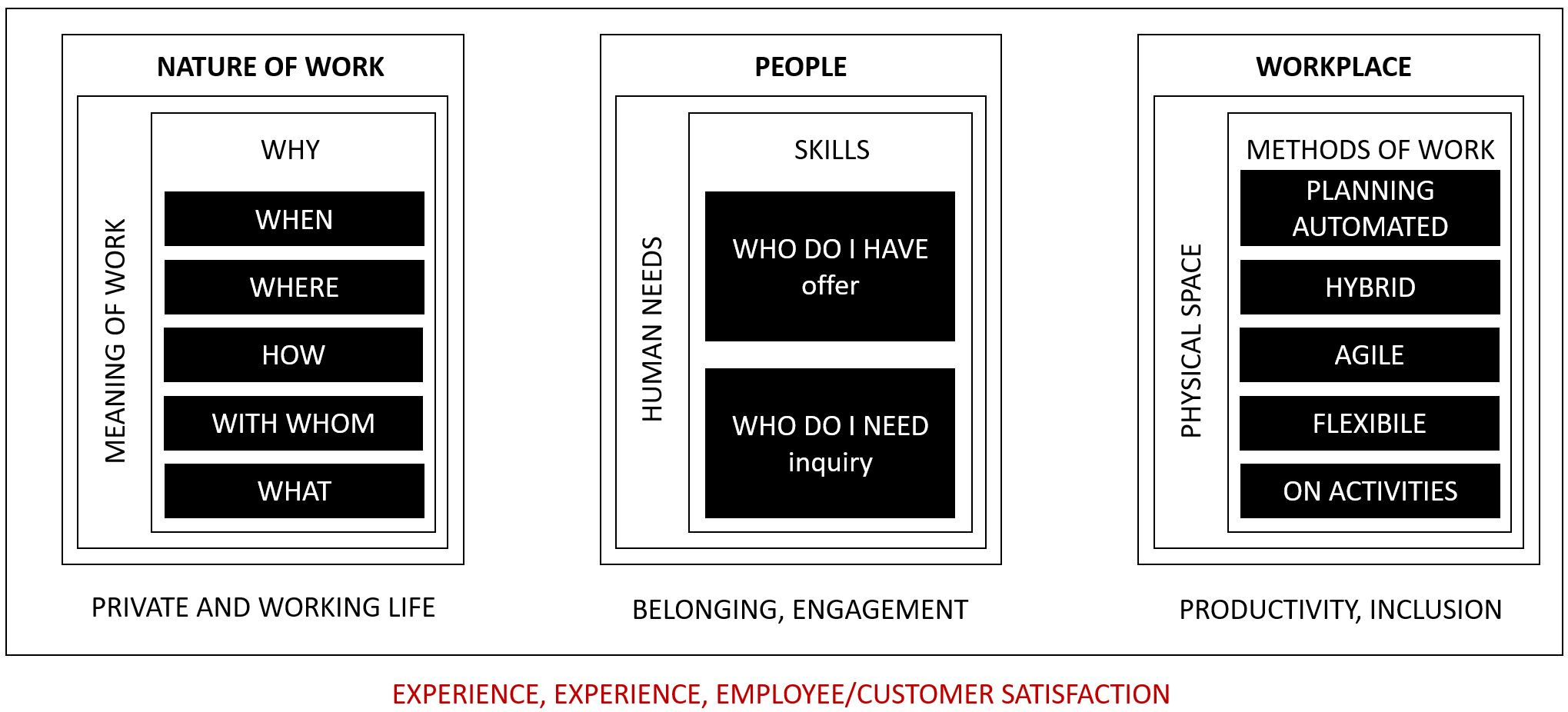
The challenge of digital collaboration is how best to engage people, how to use physical and digital workspaces, and how to meaningfully use modern communication technologies to achieve common goals. At the same time, this connection raises the need for how to properly define new ways of working and learn new skills, how to reconfigure workplaces and jobs, and how to choose the right technologies.
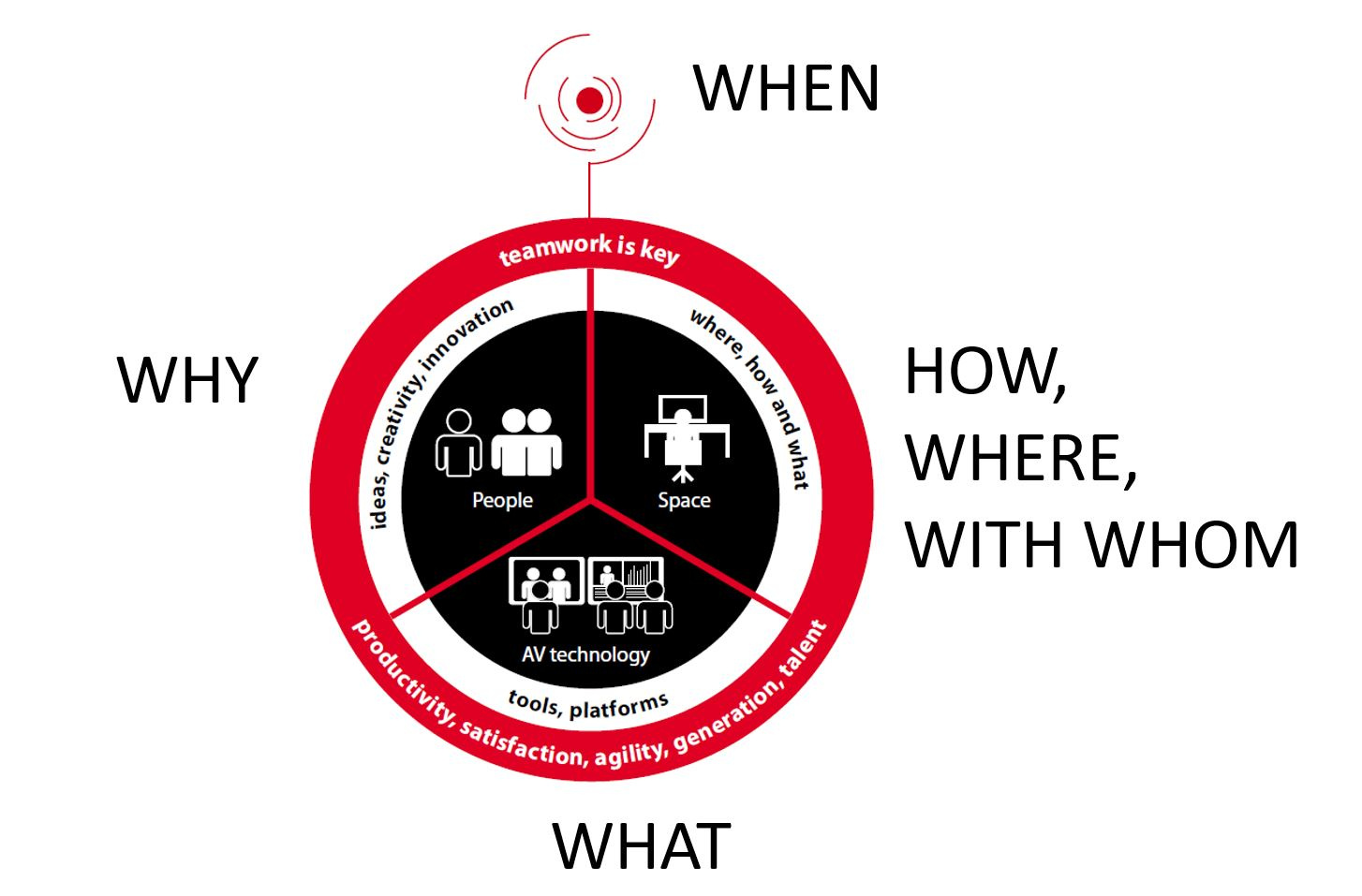
1. You need to get feedback from your employees. Find out WHY, HOW, WHEN, WHERE and WITH WHOM they do the work. Thanks to this, you will get an overview of what suits them, what suits them less and what does not suit them at all, and also WHAT they need for work: you get their real requirements, needs and wishes related to their work, and even involve them in changing the reconfiguration of workplaces.
2. There is a need to consider, through feedback, what challenges and work scenarios the physical and digital workspace must solve.
3. It is necessary to openly admit that some work needs to be done somewhere, but other work can be done anywhere.
The individual steps will guide us on how to set up a digital collaboration that will benefit everyone. To people who will have to be personally available at a specific place of work, but also to those who will be able to combine personal and remote presence (work hybridly) or to the last group who can work remotely from anywhere.
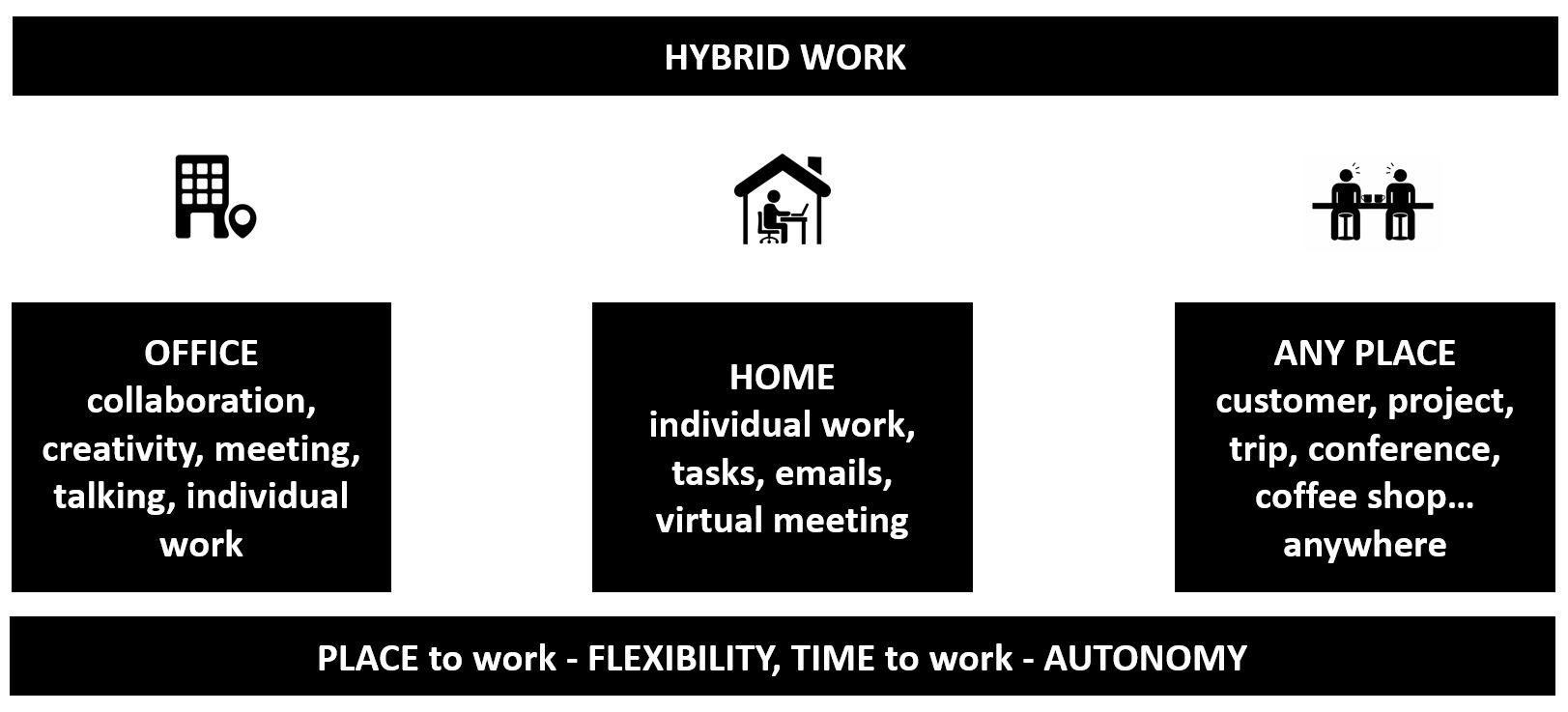
Digital collaboration also has its rules, e.g. weekly team meetings will always be personal, so that team members can foster mutual social relationships with each other or get to know new colleagues better.
Allowing people to collaborate from their preferred location is preferable to requiring a strict presence from a specific location such as an office. Such an approach will significantly support work-life balance, while enabling organizations to find new talent, engage more diverse and new ways of working in broader perspectives and create more creative and productive teams that achieve better results.
Next time we will focus on: HOW to successfully bring PEOPLE back to the office.
The world is changing and with it the ways of working, workspaces, technology and people. To learn more about the changing nature of work follow my work here or via LinkedIn.