Why Speech Clarity Matters in Church Audio System Design


Why Church audio is not just about volume
A common mistake in church audio is assuming that louder sound automatically means better sound.
In reality, clarity is the goal.
If the system is too loud, reflective spaces can become harsh and difficult to understand. If the system is too soft, people at the rear of the church may miss important parts of the service. If microphones are inconsistent, clergy, readers and presenters may sound clear in one position but unclear as they move or turn their head.
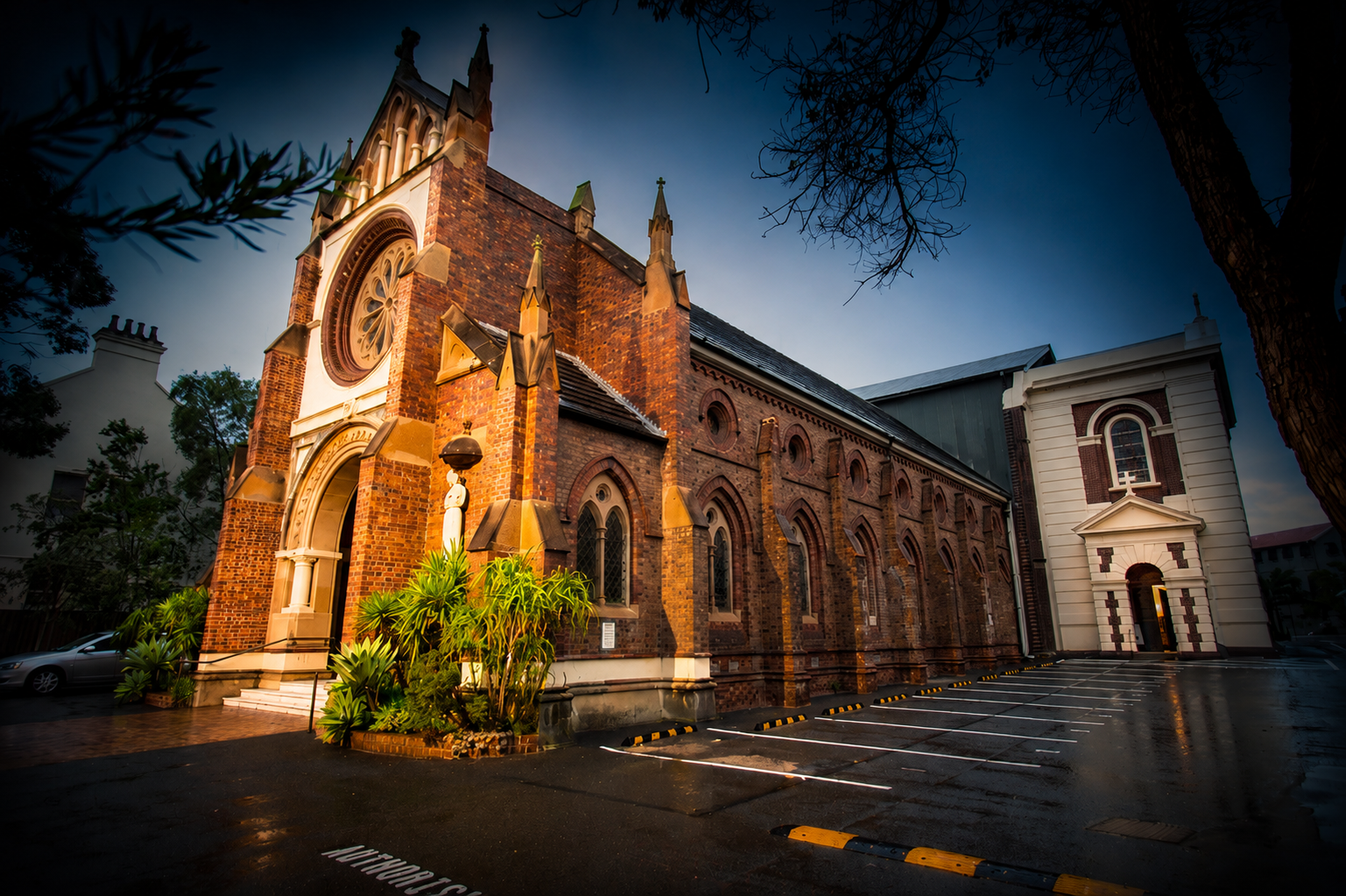
The St Francis project highlights this challenge. The existing system had uneven coverage, reduced clarity toward the rear of the church, echo issues, manual adjustment requirements and ageing analogue equipment.
For houses of worship, the audio system needs to support the service without becoming a distraction.
Designing around the worship experience
A good church PA system should make the technology feel simple.
Volunteers should not need to operate a complex mixer during a service. Clergy and readers should be able to speak naturally. Music sources should be clean and reliable. The congregation should hear clearly from the front pews through to the rear seating areas.
For St Francis Church, Masters Voice Technology designed the system around a practical workflow:
Capture speech and music through wireless headset microphones, lectern microphones and music inputs.
Process the audio through Q-SYS digital signal processing for routing, automatic mixing, equalisation, speaker delay and level balancing.
Provide simple control through a QSC touchscreen interface, allowing volunteers to manage microphone levels, music volume and presets more easily.
Deliver clearer sound using JBL column loudspeakers and acoustic tuning to improve coverage through the church.
Why Q-SYS is useful in church environments
Churches need audio systems that are reliable, flexible and easy to use.
Q-SYS provides a strong platform for this type of environment because it can manage audio processing, routing, control and future expansion from one integrated system. In the St Francis project, Q-SYS was used to support automatic mixing, equalisation, speaker delay and level control, helping the church maintain more consistent sound quality without requiring constant manual adjustment.
That matters because many church systems are operated by volunteers, not professional audio engineers.
The best system is not always the one with the most buttons. It is the one that gives users the control they need while keeping the complex audio processing behind the scenes.
Microphones and loudspeakers matter
The microphone choice is also important.
For St Francis Church, Shure SLXD wireless systems with MX153 headset microphones were used to improve speech reinforcement for clergy, readers and presenters. Headset microphones can provide more consistent voice pickup than some lapel microphones, especially when a speaker moves or turns their head.
Loudspeaker placement and tuning are equally important.
Additional JBL CBT column loudspeakers were installed as rear delay speakers to improve coverage through the nave. Time alignment within the Q-SYS processor helped create a more natural listening experience across the congregation.
The bigger lesson for AV integrators
The St Francis Church upgrade is a useful reminder that houses of worship require a different approach from many commercial AV projects.
The system must respect the architecture of the space.
It must support speech, music and ceremony.
It must be simple enough for volunteers.
It must improve clarity without overwhelming the room.
It must be reliable for weekly services and special events.
For AV integrators, this means designing around the people who will use the system, not just the equipment list.
For churches, it means investing in audio infrastructure that supports worship, participation and community connection.
Read the full case study
Masters Voice Technology has published the full St Francis Church Paddington case study, including the project challenge, system workflow, Q-SYS solution, Shure wireless microphones, QSC touchscreen control, JBL loudspeaker integration and final outcomes.
Read the full article:
St Francis Church Paddington — PA System Upgrade
As a Director of Masters Voice Technology, a New South Wales–based Audio Visual, Electrical and Communications integrator, I’m proud to help lead a team that brings these services together under one connected delivery model.
For us, it comes down to a simple idea: when technology is designed, installed and supported by one team, projects run more smoothly, systems work better and clients have one accountable partner from concept through to completion.
My approach has been shaped by hands-on experience across the electrical, communications and audio-visual industries. That background has given me a practical understanding of how projects come together on site, and why good technology needs to be reliable, safe and easy for people to use.
As a family man with two children under 10, I also understand how important safe and dependable environments are — especially in schools, workplaces and community spaces. That’s why I place a strong focus on client relationships, compliance, managed support and delivering practical technology solutions that continue to perform well beyond handover.