Designing Library AV for Flexible Community Spaces

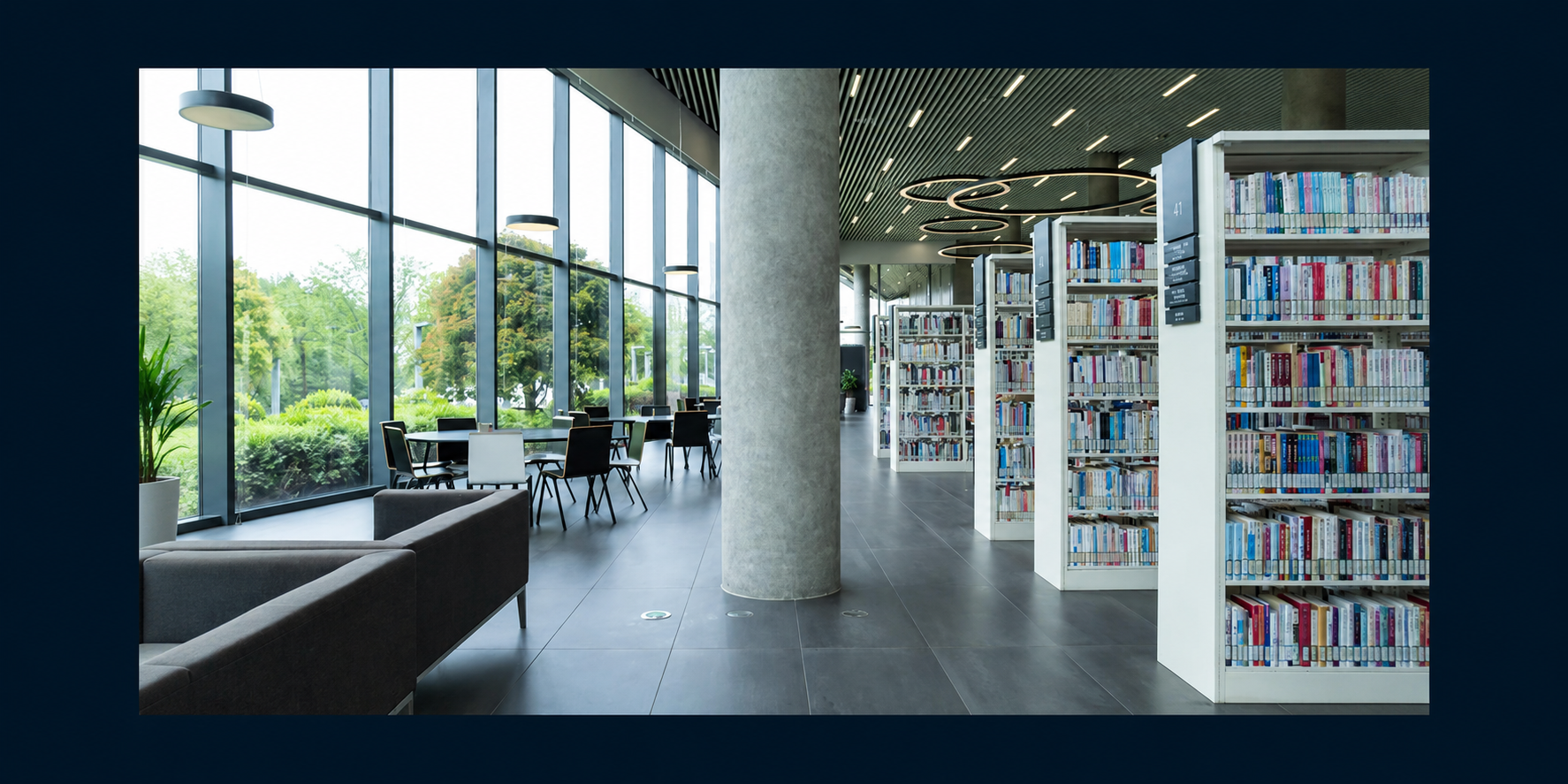


That creates a very different AV requirement. A library AV system needs to be flexible enough for different activities, simple enough for staff to operate, and reliable enough for daily public use. It also needs to suit the building, not fight against it.
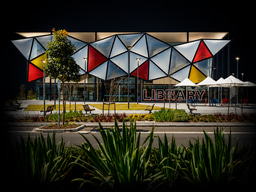
At Masters Voice Technology, we recently delivered the Oran Park Library AV Integration project for Camden Council, where the goal was to support a library environment designed for learning, engagement and community use.
The challenge with library AV
Library spaces often need to support multiple users and multiple event types across the same day.
One room may be used for a children’s activity in the morning, a community presentation in the afternoon and a film screening in the evening. Staff need to be able to move between those use cases without needing to understand complex AV routing, separate remotes or technical system settings.
That means the design has to consider more than equipment.
It needs to consider:
-
How staff will operate the system
-
How presenters will connect and share content
-
Whether projection will remain visible in ambient light
-
Whether speech will remain clear across the room
-
How children and community groups will interact with the technology
-
How the installation will fit into the architecture
-
How the system will be maintained over time
For councils and public facilities, AV also needs to be practical. The system should support the community, not create another operational burden.
Why simple operation matters
One of the most important parts of any public-space AV system is usability.
A technically powerful system can still fail if everyday users find it difficult to operate. Library staff are usually supporting visitors, events, bookings and community programs. They should not have to troubleshoot complicated technology before every session.
Centralised control helps reduce that friction.
A well-designed system allows staff to move between presentation, workshop, cinema and interactive modes with confidence. It also reduces the risk of settings being changed accidentally or equipment being used incorrectly.
This is especially important in council environments, where spaces are often shared by different departments, community groups and external presenters.
Projection, audio and interaction need to work together
In a library or community hub, AV should feel connected.
Projection is not just about showing a large image. It needs to suit the room, the ambient light level and the type of content being displayed. Audio is not just about volume. It needs to support speech clarity, video playback and even coverage across the audience area.
Interactive technology adds another layer.
For children’s programs, school groups and family activities, interactive projection can help turn a space into a more engaging learning environment. But it still needs to be integrated properly with the broader AV design so it feels like part of the facility, not an isolated add-on.
The Oran Park Library project combined Epson projection, Yamaha audio and EyeClick interactive technology to support a mix of public presentations, film screenings, workshops and family-friendly engagement.
What councils should consider before upgrading library AV
Before upgrading AV in a library, civic facility or public building, it helps to start with the activities the space needs to support.
The right questions are usually practical ones:
What will happen in the room each week?
Who will operate the system?
Will presenters bring their own devices?
Does the room need to support children’s programs?
Is speech clarity more important than background music?
Will the space be used during the day with natural light?
How quickly can staff get help if something stops working?
These questions often lead to a better outcome than starting with a product list.
Masters Voice Technology works across government and council AV systems, including libraries, public facilities, collaboration spaces, civic environments and secure meeting rooms. The same principle applies across all of them: technology should make the space easier to use, not harder.
Why this type of project matters
Public libraries play an important role in local communities.
They support learning, connection, digital access, events, children’s engagement and public participation. When the AV system is designed properly, the building can do more for the people who use it.
For councils, that means better use of community infrastructure.
For staff, it means simpler operation.
For visitors, it means clearer sound, better visibility and more engaging experiences.
For AV integrators, it is a reminder that public-space AV is not just about installing equipment. It is about designing a system around people, programs, architecture and long-term use.
You can view more examples of our work across schools, government facilities, workplaces, venues and community spaces in our AV integration case studies.
As a Director of Masters Voice Technology, a New South Wales–based Audio Visual, Electrical and Communications integrator, I’m proud to help lead a team that brings these services together under one connected delivery model.
For us, it comes down to a simple idea: when technology is designed, installed and supported by one team, projects run more smoothly, systems work better and clients have one accountable partner from concept through to completion.
My approach has been shaped by hands-on experience across the electrical, communications and audio-visual industries. That background has given me a practical understanding of how projects come together on site, and why good technology needs to be reliable, safe and easy for people to use.
As a family man with two children under 10, I also understand how important safe and dependable environments are — especially in schools, workplaces and community spaces. That’s why I place a strong focus on client relationships, compliance, managed support and delivering practical technology solutions that continue to perform well beyond handover.