
Video Streaming App vs OTT App Development: What Is Different?
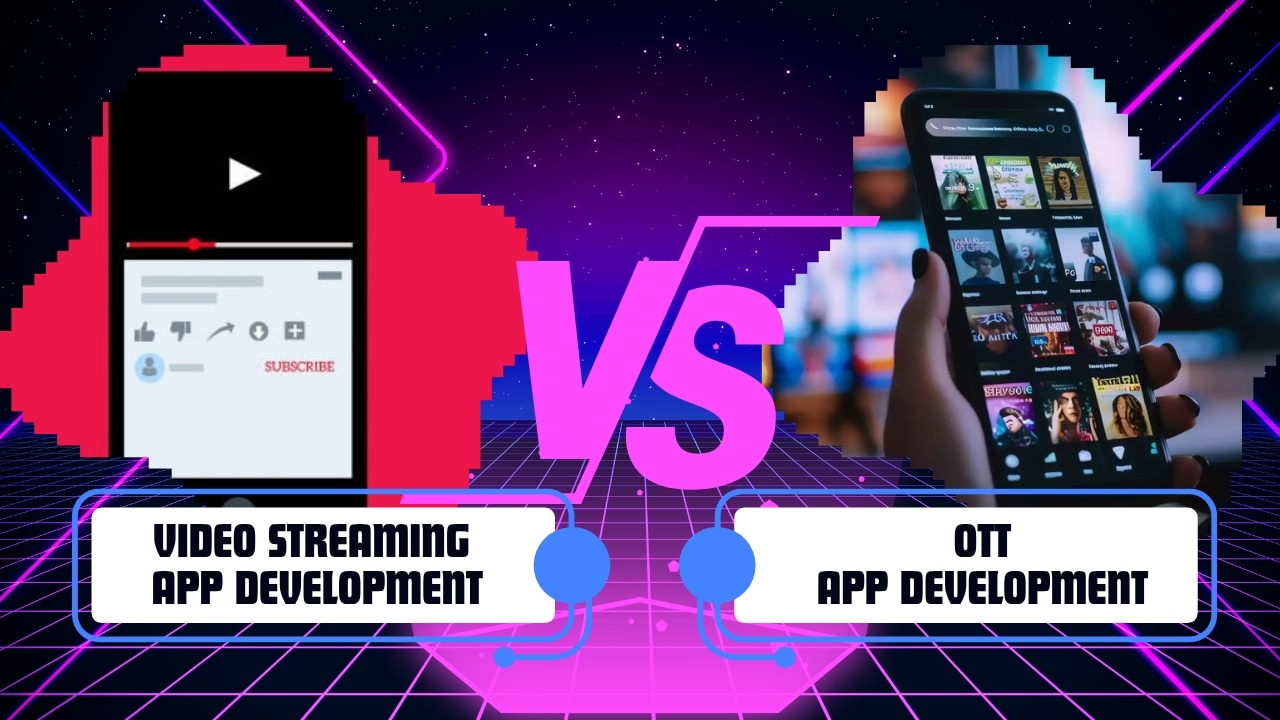
The demand for digital entertainment has reached unprecedented levels, changing how people consume movies, TV shows, sports, educational content, and live events. Smartphones, smart TVs, tablets, and high-speed internet have made video consumption more convenient than ever, encouraging businesses to invest in digital media platforms.
While many people use the terms video streaming app and OTT app interchangeably, they are not the same. Both allow users to watch video content online, but they differ in purpose, business models, features, technology, content delivery, and monetization strategies.
Understanding these differences is essential for startups, media companies, educational institutions, and enterprises planning to enter the streaming industry. Choosing the right platform from the beginning can influence development costs, user engagement, scalability, and long-term profitability.
Whether you're planning a niche content platform or a large-scale entertainment service, knowing the distinction between these two app categories will help you make informed business decisions. In this blog, we'll compare streaming app development and OTT app development to help you understand what truly sets them apart.
Understanding Video Streaming Apps
Before selecting the right solution, businesses should understand what a video streaming app is designed to achieve.
Video streaming app development focuses on creating applications that allow users to watch video content over the internet without downloading the entire file. These apps may serve entertainment, education, fitness, gaming, healthcare, corporate training, or live event broadcasting.
Unlike traditional television, video streaming platforms provide users with instant access to digital content whenever they want.
Common examples include:
- Live streaming platforms
- Online learning platforms
- Fitness video apps
- Corporate webinar solutions
- Gaming streaming apps
Their primary objective is delivering high-quality video experiences with minimal buffering and seamless playback.
What Is an OTT App?
An OTT (Over-the-Top) app delivers television shows, movies, original series, and premium content directly to viewers through the internet without relying on traditional cable or satellite providers.
If you're exploring an OTT app development guide, you'll notice that these platforms are designed as complete entertainment ecosystems rather than simple video players.
They combine extensive content libraries, subscription management, user personalization, recommendation engines, and multi-device accessibility into one unified experience.
OTT apps often provide exclusive content while supporting multiple monetization strategies, making them suitable for media companies and content distributors.
Video Streaming App vs OTT App: Key Differences
Although both platforms rely on internet-based video delivery, several factors distinguish them.
|
Feature |
Video Streaming App |
OTT App |
|
Primary Purpose |
Stream videos online |
Deliver complete entertainment services |
|
Content Type |
Live or recorded videos |
Movies, TV shows, originals, live TV |
|
Monetization |
Ads, subscriptions, pay-per-view |
Primarily subscriptions with multiple revenue models |
|
Content Library |
Small to medium |
Large and continuously updated |
|
Personalization |
Basic recommendations |
AI-powered personalized experiences |
|
Device Support |
Mobile and web |
Mobile, web, Smart TV, streaming devices |
|
Licensing |
Often creator-owned |
Requires extensive content licensing |
1. Content Strategy
One of the biggest differences lies in content strategy.
Video Streaming Apps
These platforms usually focus on a specific category of content.
Examples include:
- Online education
- Fitness classes
- Corporate training
- Religious events
- Gaming streams
- Conferences
The audience is typically niche and highly targeted.
OTT Apps
OTT platforms offer diverse entertainment content designed for mass audiences.
Their libraries often include:
- Movies
- TV series
- Documentaries
- Live television
- Sports
- Children's programming
- Exclusive originals
Maintaining a vast content library requires continuous investment in licensing and production.
2. Development Complexity
Building an OTT platform generally involves greater technical complexity than developing a standard video streaming app.
Video Streaming Apps Typically Require
- Video upload
- Streaming functionality
- User authentication
- Search
- Basic recommendations
- Analytics
OTT Apps Usually Include
- Subscription management
- DRM protection
- Content licensing systems
- AI recommendation engines
- Multiple user profiles
- Offline downloads
- Smart TV compatibility
- Multi-language support
- Advanced analytics
As functionality expands, development timelines and technical requirements also increase.
3. User Experience Expectations
User expectations vary considerably between the two platforms.
Video Streaming App Users Expect
- Fast video playback
- Minimal buffering
- Simple navigation
- Reliable streaming
OTT Users Expect
- Personalized homepages
- Curated recommendations
- Continue watching features
- Watchlists
- Multiple profiles
- Cross-device synchronization
- Premium interface design
OTT users generally expect an experience similar to major global entertainment platforms.
4. Monetization Models
Revenue generation differs significantly between these two app categories.
Video Streaming Apps
Common monetization options include:
- Subscription plans
- Advertising
- Event ticketing
- Course purchases
- Pay-per-view
The monetization model depends largely on the type of content being delivered.
OTT Apps
OTT platforms often combine several revenue streams.
These include:
- Monthly subscriptions
- Premium memberships
- Advertising-supported plans
- Transactional rentals
- Content purchases
- Brand partnerships
Hybrid monetization models help maximize long-term profitability.
5. Technology Stack Differences
Although both applications share several core technologies, OTT platforms generally require more advanced infrastructure.
Shared Technologies
- Cloud hosting
- Video encoding
- CDN integration
- Secure authentication
- Push notifications
Additional OTT Technologies
- Digital Rights Management (DRM)
- Recommendation engines
- Metadata management
- Content management systems
- Subscription billing
- Device synchronization
- Multi-region delivery
These additional systems contribute to the increased complexity of OTT platforms.
6. Scalability Requirements
Scalability is important for every streaming platform, but becomes especially critical for OTT services.
Video Streaming Apps
Typically support:
- Moderate concurrent users
- Limited content libraries
- Regional audiences
OTT Apps
Often require infrastructure capable of supporting:
- Millions of users
- Massive content catalogs
- Global traffic
- High-definition streaming
- Peak viewing during major releases
Cloud-native architecture and auto-scaling technologies are essential for handling this demand.
7. Content Security
Protecting digital content is a major priority.
Video Streaming Apps
Security usually focuses on:
- User authentication
- Secure APIs
- Data encryption
OTT Platforms
Require additional protection, including:
- DRM implementation
- Screen recording prevention
- Watermarking
- Geo-restrictions
- Anti-piracy monitoring
Premium entertainment content demands stronger security due to licensing agreements.
8. Device Compatibility
Device support also differs considerably.
Video Streaming Apps
Generally support:
- Android
- iOS
- Web browsers
OTT Apps
Need compatibility across:
- Android
- iOS
- Web
- Smart TVs
- Android TV
- Apple TV
- Fire TV
- Roku
- Gaming consoles
Developing consistent experiences across multiple devices increases testing and maintenance efforts.
9. Maintenance Requirements
Both platforms require ongoing maintenance, but OTT apps typically involve more operational responsibilities.
Video Streaming App Maintenance Includes
- Bug fixes
- Performance optimization
- Server monitoring
- Security updates
OTT Maintenance Adds
- Content management
- Subscription support
- Recommendation improvements
- Smart TV updates
- Licensing management
- Multi-device synchronization
As platforms expand globally, maintenance becomes increasingly complex.
Which Platform Is Better for Your Business?
The right choice depends on your business objectives.
A video streaming app is ideal if you plan to:
- Deliver educational content
- Stream live events
- Offer fitness classes
- Host webinars
- Build niche communities
An OTT platform is more suitable if your goal is
- Launch an entertainment service
- Distribute movies and television shows
- Build subscription-based revenue
- Reach global audiences
- Produce original content
Evaluating your target audience, content strategy, and long-term growth plans will help determine the most appropriate solution.
Future Trends in Streaming Platforms
The streaming industry continues to evolve rapidly.
Emerging innovations include:
- AI-powered content recommendations
- Interactive video experiences
- Cloud gaming integration
- 8K streaming
- Personalized advertising
- Voice-controlled navigation
- Spatial audio support
- Virtual reality entertainment
Both video streaming and OTT platforms are adopting these technologies to improve user engagement and deliver richer viewing experiences.
Businesses that embrace innovation will be better positioned to remain competitive in the digital entertainment landscape.
Conclusion
Although video streaming apps and OTT apps both deliver online video content, they serve different business purposes and user expectations. Video streaming apps focus on efficient content delivery for specific use cases such as education, live events, fitness, or corporate communication.
OTT platforms provide comprehensive entertainment ecosystems with advanced personalization, subscription management, premium content libraries, and multi-device accessibility. Understanding these differences is essential before investing in development.
Factors such as target audience, monetization strategy, scalability requirements, content ownership, and long-term business goals should guide your decision. By choosing the platform that aligns with your goals, you create a solution that delivers exceptional user experiences while supporting sustainable growth in the competitive market.

I am a Full Stack Developer, who loves to create the best and real insights with my own expertise of development.
Recommended Content


Top 10 Real Estate App Development Companies in Dubai, UAE (2026 Guide)

The Autonomous Workplace Threat Surface: AI Agents Are Now Exploiting AV & IT Systems.
Please sign in
If you are a registered user on AVIXA Xchange, please sign in