
The USB Paradox: Why Digital Signage Without Remote Management is a Relic of the Past
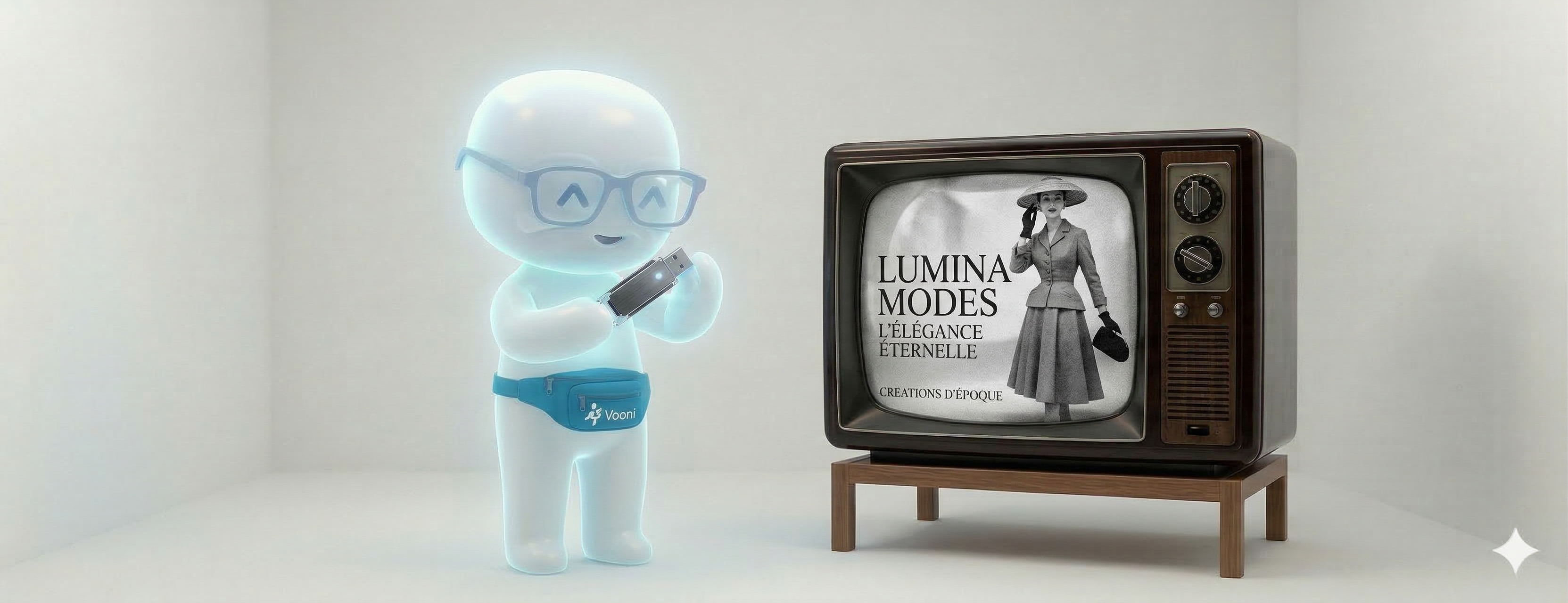


In the professional AV industry, we pride ourselves on pushing the boundaries of visual communication. Yet, as I look at the current market, I see a glaring paradox: we are installing 8K displays and sophisticated AI-driven content, but some systems are still managed with a mindset that belongs in 2005.
Let’s be honest: running a digital signage network today without integrated Remote Management is fundamentally the same as walking around with a USB drive in your pocket, manually plugging it into every monitor. It is a manual, "analog" approach to a digital problem, and in 2026, it’s an operational bottleneck we can no longer afford.
The Hidden Costs of Being "Physically Present"
For the integrators, installers, and distributors in the Avixa community, our biggest enemy isn't the competition—it’s OPEX. Every time a system lacks deep-level control, we are forced into "USB-style" workflows.
If a screen goes black and your only solution is to send a technician in a van to investigate, you aren't running a smart network; you’re managing a fleet of expensive, disconnected "dumb" TVs. A professional Remote Device Management system should make the physical location of the hardware irrelevant. If you can’t reboot, reconfigure, and update the hardware layer from your desk, you are still tethered to that metaphorical USB stick.
Remote Management: A Core Standard, Not an "Add-on"
One trend I find particularly troubling is seeing remote management marketed by some vendors as a separate, premium "bolt-on" service. This approach is anachronistic. In a mission-critical environment—whether it’s a global retail rollout or a transit hub—the ability to manage the device is as vital as the ability to show the content.
At Voome, we believe that deep-level hardware integration is the baseline. A truly evolved platform must offer a secure, ISO 27001-certified gateway that allows you to penetrate firewalls and NAT without compromising security. It’s about having a "NOC-in-a-browser" that gives you more control than if you were standing right in front of the display.
Precision Diagnostics vs. Guesswork
The "USB mindset" relies on guesswork: Is the player dead? Is the HDMI cable loose? Is the network down? We solve this through a Remote Diagnostic Tool that provides actual intelligence. Instead of sending a technician to "see what's wrong," your IT team can:
-
Inspect System Logs & Internal Storage: Identify corrupted media or codec errors remotely.
-
Analyze Real-Time Heartbeats: Distinguish between a local ISP failure and a hardware crash.
-
Execute Low-Level Commands: Force a "Refresh Content" or a full "OS Reboot" to clear memory leaks without interrupting the customer experience.
Resilience is the Ultimate Goal
The goal of modern digital signage is 100% visual compliance with zero physical friction. By leveraging native hardware certification (for brands like Samsung, LG, Philips, and SpinetiX), we can implement Offline Fallback Logic. If the network drops, the screen doesn't show a "No Signal" error—it continues to loop cached content, maintaining the brand’s image until the connection is restored remotely.
To my colleagues at Avixa: we need to stop treating remote management as a "nice-to-have" feature. It is the infrastructure that protects our margins and our reputations. If a solution doesn't offer deep, native control over the hardware, it’s just a glorified USB update—and our clients deserve better.

Professor of Digital Marketing Strategies & CMO at Voome
I am passionate about digital innovation and take pride in sharing this enthusiasm with my students, colleagues, and clients. I believe that passion is essential to thrive in an ecosystem like ours, where innovation and tools evolve rapidly.
My journey in this field began in 2005 in the Mobile VAS market, encompassing early mobile games and ringtones.
In 2011, I founded my first startup, Meetale, one of Italy’s pioneering digital publishing platforms, which the Italian Unitary Writers Association recognized as the most significant in the country.
Following a substantial international experience in a collaborative project between India and Italy, I founded dfarm – Digital Transformation Factory in 2019. This network was created to embed digitalization within company processes and teams. My commitment to education led me to start teaching at the School of Management at LUM University in September 2019, using the Learning by Doing approach.
Since 2022, I have served as Chief Marketing Officer (CMO) at Voome.
-
Xchange Advocates are recognized AV/IT industry thought leaders and influencers. We invite you to connect with them and follow their activity across the community as they offer valuable insights and expertise while advocating for and building awareness of the AV industry.




Please sign in
If you are a registered user on AVIXA Xchange, please sign in