How to Create an App Like Uber in 2026: A Complete Guide
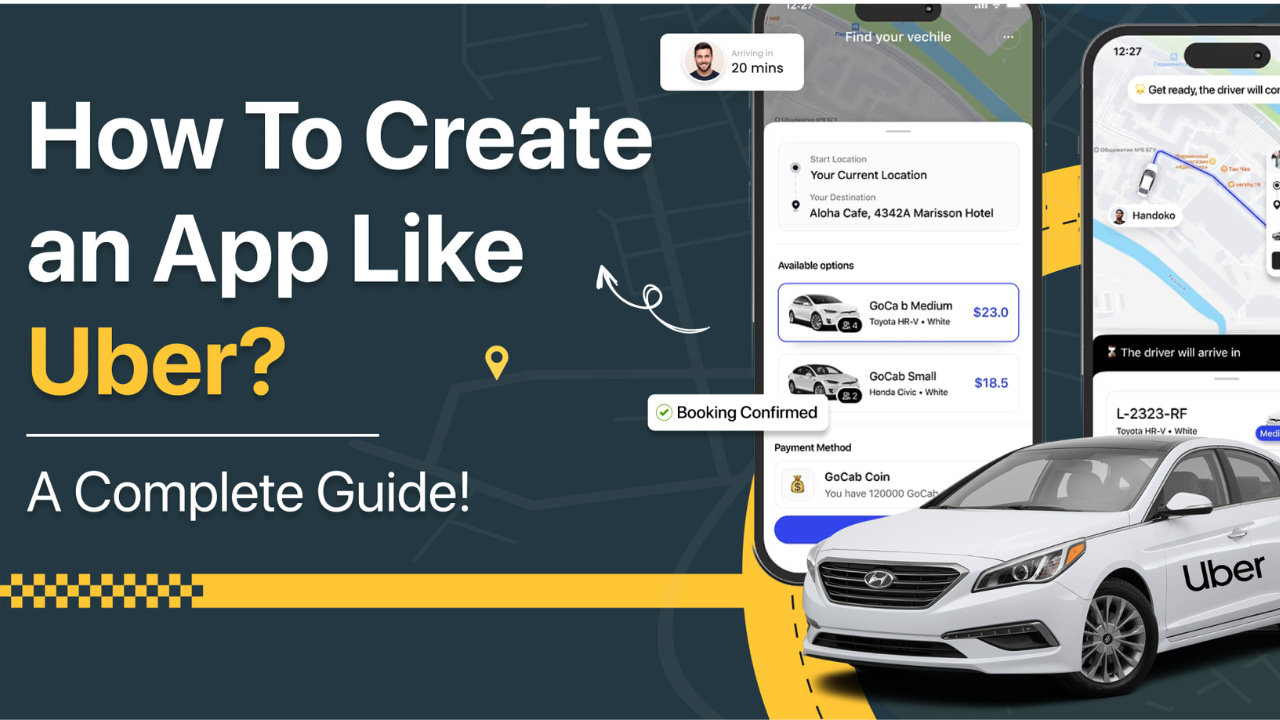


On-demand transportation has evolved from a convenience into an everyday necessity. Today, riders expect a vehicle within minutes, drivers seek flexible earning opportunities, and cities are increasingly embracing app-based mobility solutions. This shift is why entrepreneurs and startups continue to explore one promising opportunity: building an app like Uber.
The market potential is substantial. According to Statista, the global ride-hailing market is projected to reach approximately $212 billion by 2029, growing at a CAGR of around 9%. During the same period, the number of ride-hailing users worldwide is expected to surpass 2 billion. Meanwhile, Uber generated more than $44 billion in revenue in 2025, demonstrating that even a mature market still offers significant opportunities for innovative and well-positioned businesses.
The takeaway is clear: demand for convenient, technology-driven transportation services continues to rise. For entrepreneurs looking to enter the mobility sector, 2026 presents a strong opportunity to launch and scale a ride-hailing platform of their own.
What Is an Uber-Like App?
An Uber-like app is an on-demand transportation platform that connects passengers with nearby drivers through a mobile application. Using GPS technology, real-time tracking, and digital payments, these platforms make booking and managing rides fast and convenient for both riders and drivers.
However, an "Uber-like" app doesn't mean creating an exact replica of Uber. Instead, it refers to adopting the proven ride-hailing model and tailoring it to a specific market, region, or transportation niche—whether it's city taxis, corporate transportation, airport transfers, or student mobility services.
A typical Uber-like platform consists of six core components:
- Rider App: Allows passengers to book rides, track drivers in real time, make payments, and rate their experience.
- Driver App: Enables drivers to accept or reject ride requests, navigate to destinations, and manage their earnings.
- Admin Dashboard: Serves as the central control panel for managing users, drivers, pricing, commissions, and platform operations.
- Payment Gateway Integration: Processes ride fares, tips, refunds, and driver payouts through secure digital payment systems.
- Analytics and Reporting System: Provides insights into ride demand, revenue, customer behavior, and overall business performance.
Together, these components create a seamless ecosystem that enables entrepreneurs to launch and manage a scalable, efficient, and user-friendly ride-hailing business.
Steps To Create an App Like Uber
Creating an app like Uber involves more than just developing a mobile application. It requires careful planning, market validation, feature selection, and the right technology approach to create a scalable and profitable ride-hailing business. Here are the key steps to launch a successful Uber-like app in 2026.
Step 1: Conduct Market Research and Gap Analysis
Before writing a line of code or signing a vendor contract, understand the market you're entering. Look closely at local transportation challenges, what competitors already offer, where customers are frustrated, and how demand shifts by neighborhood, time of day, and season.
This research usually surfaces underserved niches worth building around:
- Women-only rides
- Intercity transportation
- Corporate mobility programs
- EV taxi services
- Student transportation
- Subscription-based ride plans
Finding a gap like this early gives you a defensible position rather than a head-on fight with an incumbent.
Step 2: Define Your Business and Revenue Model
Before building your platform, determine how your ride-hailing business will operate and generate revenue. Your chosen business model will influence everything from app features and pricing strategies to driver acquisition and customer experience.
Popular business models include:
- Traditional taxi booking marketplace
- Corporate transportation platform
- Multi-service mobility platform (rides, deliveries, and rentals)
- Carpooling and ride-sharing network
- Chauffeur and rental services
To build a sustainable business, consider diversifying your revenue streams. Common monetization methods include:
- Commission on every completed ride
- Driver subscription or membership plans
- Surge pricing during peak demand
- Cancellation and convenience fees
- Featured listings and in-app advertisements
- Corporate partnerships and enterprise accounts
The most successful ride-hailing businesses typically combine multiple revenue streams rather than depending on a single source of income, creating a more scalable and resilient business model.
Step 3: Understand Legal and Compliance Requirements
The ride-hailing industry is heavily regulated, making legal compliance a critical part of your launch strategy. Failing to meet regulatory requirements can lead to fines, operational disruptions, or even prevent your platform from entering the market.
Key areas to address include:
- Business Registration: Obtain the necessary business licenses, company registrations, and local transportation permits required to operate legally.
- Driver Compliance: Verify driver identities, conduct background checks, and ensure all driving licenses and vehicle documents are valid and up to date.
- Data Protection: Comply with privacy regulations such as GDPR, CCPA, and other regional data protection laws to safeguard customer information.
- Insurance Coverage: Secure commercial vehicle insurance and passenger liability coverage to protect both riders and drivers.
- Payment Compliance: Ensure your payment infrastructure meets PCI-DSS standards and adheres to local tax and financial regulations.
Building compliance into your platform from the beginning is far more cost-effective than addressing legal and regulatory issues after launch. A strong compliance foundation not only minimizes risks but also builds trust among drivers, riders, and business partners.
Step 4: Build Must-Have Features for Your Uber-Like App
The success of a ride-hailing platform largely depends on the features it offers to riders, drivers, and administrators. A seamless user experience, efficient operations, and robust management tools are essential for building a scalable and competitive Uber-like app.
Rider App Features
Your rider application should provide a convenient and secure booking experience with features such as:
- User registration and profile management
- Real-time ride booking
- Live GPS tracking and driver location sharing
- Fare estimation and price breakdown
- Multiple payment options
- Ride scheduling and advance bookings
- Ratings and reviews
- SOS and emergency assistance button
- Trip history and digital receipts
- In-app chat and calling
Driver App Features
The driver application should help drivers efficiently manage rides and earnings through features like:
- Driver onboarding and document verification
- Ride request acceptance and management
- Built-in navigation and route optimization
- Earnings dashboard and payout tracking
- Online/offline availability toggle
- Trip history and performance insights
- In-app chat and calling
- Ride cancellation management
- Notifications and alerts
Admin Panel Features
The admin dashboard acts as the control center of your ride-hailing business and should include:
- User and driver management
- Commission and revenue management
- Dynamic pricing and surge pricing controls
- Reports and business analytics
- Promo code and discount management
- Payment and transaction monitoring
- Content and CMS management
- Dispute and support management
- Multi-city and multi-service management
- Performance monitoring and system settings
Building these essential features from the start helps create a reliable, user-friendly, and scalable ride-hailing platform that can effectively compete in today's on-demand transportation market.
Step 5: Decide Between Development Approaches
Choosing the right development approach is one of the most important decisions you'll make when building an Uber-like app. Your choice will directly impact your budget, launch timeline, scalability, and overall business risk.
Option 1: Custom App Development
Custom development gives you complete control over your platform's design, features, and functionality. However, this flexibility comes with significant challenges, including:
- High development and infrastructure costs
- Development timelines ranging from 8 to 18 months
- The need for a dedicated technical team
- Ongoing maintenance and upgrade expenses
- Higher risks of delays and missed market opportunities
Custom development is often suitable for enterprises with unique requirements and substantial budgets, but it can be a lengthy and resource-intensive path for startups.
Option 2: Ready-Made Uber Clone Software
Ready-made uber clone software offers a faster and more cost-effective route to market. These solutions come with pre-built, industry-tested features and can be customized to match your business requirements.
Key benefits include:
- Faster deployment and reduced time-to-market
- Lower upfront investment compared to custom development
- Proven and tested ride-hailing functionalities
- Easy customization and scalability
- Ongoing technical support and updates
- Reduced development and operational risks
For many startups and entrepreneurs in 2026, ready-made solutions have become the preferred choice because they can help businesses launch up to five times faster and more cost-effectively than building from scratch. Instead of spending months on development, founders can focus on customer acquisition, driver onboarding, and business growth.
Step 6: Launch and Market Your App
Once your platform is ready, focus on a strategic launch rather than expanding too quickly. Thoroughly test the application, onboard your initial group of drivers, finalize pricing and commission structures, and launch in a single target market before scaling to additional locations.
For sustainable growth, combine multiple marketing channels to attract both riders and drivers:
- Local SEO: Improve visibility in location-based searches and attract nearby customers.
- Social Media Marketing: Build brand awareness and engage potential riders and drivers.
- Referral Programs: Encourage users and drivers to invite others through incentives and rewards.
- Driver Acquisition Campaigns: Use targeted campaigns to recruit and retain quality drivers.
- Partnerships and Promotions: Collaborate with local businesses, hotels, and events to increase bookings.
- Influencer Marketing: Partner with local creators to build trust and reach new audiences.
- Paid Advertising: Run targeted campaigns across search engines and social media platforms to accelerate growth.
Successful ride-hailing businesses grow by balancing both sides of the marketplace—driver supply and rider demand. Building these simultaneously creates the network effect needed to scale and sustain your platform.
Best Software to Build an App Like Uber— VivoCabs
For entrepreneurs looking to launch an Uber-like app quickly and cost-effectively, VivoCabs is a powerful ready-made ride-hailing software. It is a white-label, self-hosted solution designed to help startups and enterprises build and scale their ride-hailing businesses without the time, cost, and complexity of custom development.
Key Features of VivoCabs
- Ready-to-launch Rider and Driver apps
- Advanced Admin Dashboard
- Real-time GPS tracking
- Ride scheduling and advance bookings
- Ride bidding functionality
- Multi-language and multi-currency support
- Multiple payment gateway integrations
- White-label customization
- Scalable and secure architecture
- One-time license fee with no recurring charges
Why Choose VivoCabs?
- Faster time-to-market compared to custom development
- Significantly lower development costs and risks
- Easy customization to suit local business requirements
- Proven and industry-tested ride-hailing features
- Complete ownership and control over your platform
- Built to support multi-city and global expansion
Whether you're launching a taxi booking app, corporate transportation platform, or multi-service mobility business, VivoCabs provides the technology foundation needed to enter the market quickly and scale efficiently.
With its ready-made architecture and extensive customization capabilities, VivoCabs enables entrepreneurs to focus on growing their business instead of spending months building a platform from scratch.
Conclusion
Building an app like Uber in 2026 is no longer reserved for large technology companies. With the continued growth of the global ride-hailing market and increasing demand for convenient transportation solutions, entrepreneurs have a significant opportunity to launch and scale their own mobility businesses.
Success, however, depends on more than just developing an app. It requires thorough market research, a sustainable business model, regulatory compliance, the right feature set, and a smart development approach that balances cost, speed, and scalability.
While custom development offers complete flexibility, many startups are choosing ready-made ride-hailing solutions to accelerate their market entry and reduce development risks. Platforms like VivoCabs provide the technology, customization, and scalability needed to launch an Uber-like app quickly and focus on what matters most, growing the business and delivering exceptional user experiences.