
What happens when Google security updates stop for Android devices?
This is something that is often underestimated in professional Android deployments.
An Android device can continue to work perfectly fine after security updates stop. The screen still turns on, apps still open and the device may continue to do exactly what it was installed for. That is why the issue is often overlooked.
But there is an important difference between a device that still works and a device that is still protected.
Google security updates are part of the ongoing protection layer within the Android ecosystem. They help fix newly discovered vulnerabilities in the operating system and can include security patches for system components, network-related issues, media frameworks, kernel-level vulnerabilities and privacy or system integrity improvements.
When these updates stop, the device does not suddenly become unusable. Nothing breaks overnight. But the protection layer stops evolving. New vulnerabilities discovered after the support window may no longer be patched for that device, depending on the Android version, device platform, manufacturer support policy and update availability.
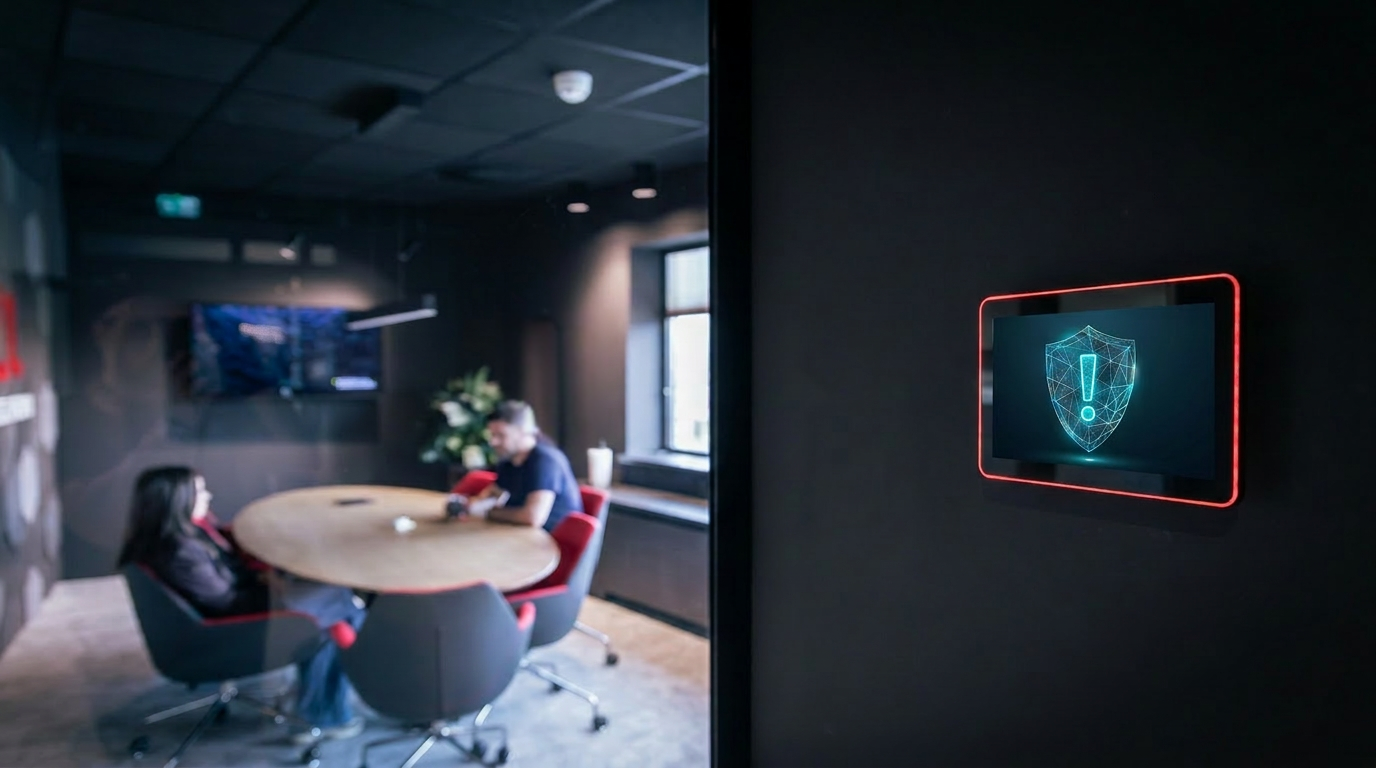
Over time, this can create increasing exposure to risk, such as:
- Higher vulnerability to malware or attacks
- Gradual loss of app compatibility or support
- Fragmented security protection across system components
- Accumulation of unpatched system weaknesses
The risk is rarely immediate. It usually builds quietly over time.
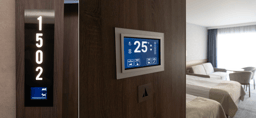
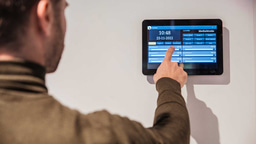
This is especially relevant in professional environments. Think of digital signage, self-service kiosks, retail systems, industrial devices, room signage panels or control panels. These devices are often expected to run for many years, sometimes across multiple locations and often as part of a larger operational process.
That makes security lifecycle planning more than a technical detail. It becomes part of operational continuity, risk management and long-term cost control.
Replacing hardware too early because security support has expired can quickly become expensive and disruptive. It may involve new devices, new installations, downtime, migration work and additional operational overhead. But keeping devices in operation without considering their security lifecycle can also create hidden risks.
So the real question is not only:
“How long does this device last?”
But also:
“How long does it stay secure?”
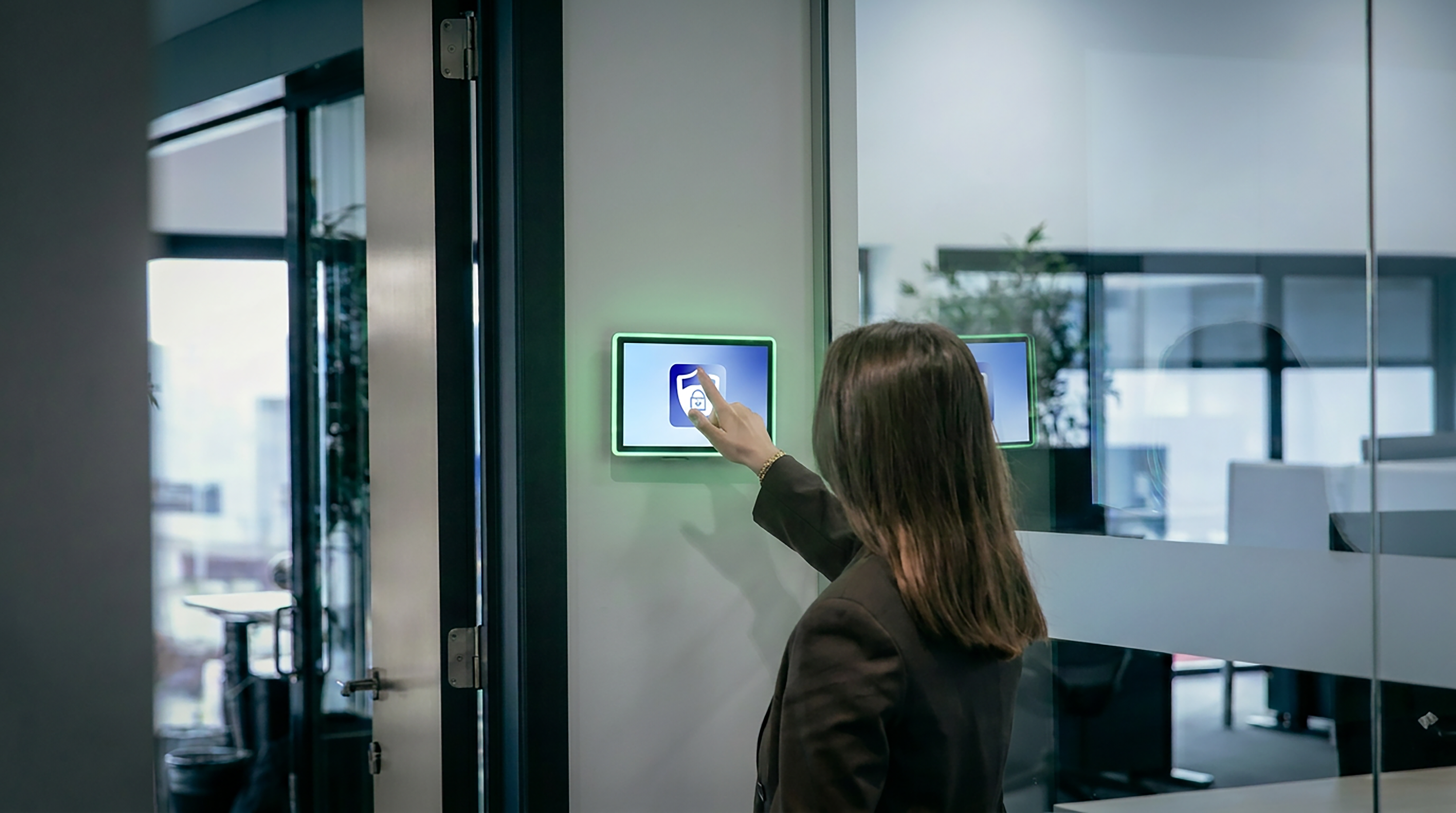
That is why lifecycle-aware security matters. For long-term professional deployments, it is important to look at the full lifecycle of the device, including the period after standard Android security support ends.
With ProSECURE, ProDVX extends the secured lifecycle of supported Android devices by 3 years beyond the standard Google support timeline. This helps reduce security gaps, make device lifecycles easier to plan and protect hardware investments for longer.
We wrote a full blog about this topic, including what happens when Google security updates stop, why Android support windows matter and how ProSECURE helps protect long-term hardware investments.
You can read the full blog on our website.