TFT-LCD Module Integration Best Practices for Commercial AV Systems
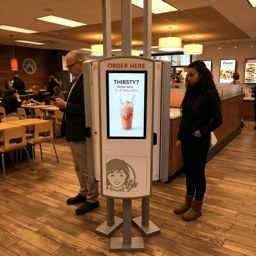
TFT-LCD modules continue to serve as a foundational display technology in professional audiovisual system design. They are widely used in digital signage, interactive kiosks, control rooms, and corporate information systems. Proper selection and integration of these modules are essential for achieving reliable performance, consistent image quality, and long-term operational stability in commercial environments.
Key Technical Considerations for TFT-LCD Module Selection
AV integrators should evaluate the following core parameters when specifying display components:
- Resolution and Aspect Ratio: 1920×1080 (Full HD) offers an excellent balance of clarity and compatibility with standard AV signal sources in most commercial installations.
- Brightness and Viewing Angles: For well-lit public or semi-public spaces, a minimum brightness of 400–500 nits is typically recommended. Wide viewing angle technologies (such as ADS or IPS equivalents) help maintain color accuracy and contrast for off-axis viewers.
- Interface Options: LVDS interfaces, particularly the 51-pin configuration, are common in industrial-grade modules. They provide stable, low-latency signal transmission when paired with appropriate driver boards or converters.
- Thermal and Environmental Performance: Operating temperature range, power consumption, and mechanical dimensions are critical factors for 24/7 reliability and proper enclosure design.
- Integration Flexibility: Support for custom driver boards, protective cover glass, touch overlays, and various mounting solutions facilitates seamless incorporation into larger AV systems.
Practical Integration Guidelines
- Driver Board and Signal Conversion Most TFT-LCD modules require a compatible TCON (Timing Controller) or interface board. When using HDMI-to-LVDS converters, early validation of timing parameters, EDID handling, and color space conversion is strongly recommended to prevent artifacts, latency, or synchronization issues.
- Mechanical Mounting and Enclosure Design Account for the module’s outline dimensions, active area, and thickness (industrial modules are often around 14–15 mm) during frame or wall-mount design to achieve slim, professional installations.
- Brightness and Ambient Light Management In high-ambient-light environments, combine the module with anti-glare coatings and calculate required brightness levels according to AVIXA guidelines for viewer distance and lighting conditions.
- Power and Thermal Management Selecting low-power modules helps reduce heat generation and simplifies cooling requirements in enclosed or compact systems.
- Testing and Verification Follow AVIXA performance verification standards to test display uniformity, geometry, color accuracy, and response time under real operating conditions.
Typical Industrial-Grade Application Example
For commercial AV projects requiring a 31.5-inch (commonly referred to as 32-inch) Full HD display solution, industrial-grade TFT-LCD modules featuring 500 nits brightness, wide viewing angles, and LVDS 51-pin interface are frequently considered for their stability in digital signage and control room applications.https://duobond-display.com/products/tft-lcd-module/287.html Detailed technical specifications for one such high-performance module can be found here: High-Performance TFT-LCD Display Module Technical Specifications
Best Practices Summary
- Always obtain the complete datasheet and reliability test reports from the supplier.
- Conduct full signal chain and mechanical integration prototyping before deployment.
- Consider total cost of ownership, including power consumption, maintenance, and expected lifespan.
- Align the design with relevant AVIXA standards such as DISCAS (for viewing distances) and performance verification guidelines.
By focusing on these technical aspects, AV system integrators can deliver robust, high-quality solutions that meet the demanding requirements of commercial installations.