
Common Display Integration Challenges in Commercial AV Systems
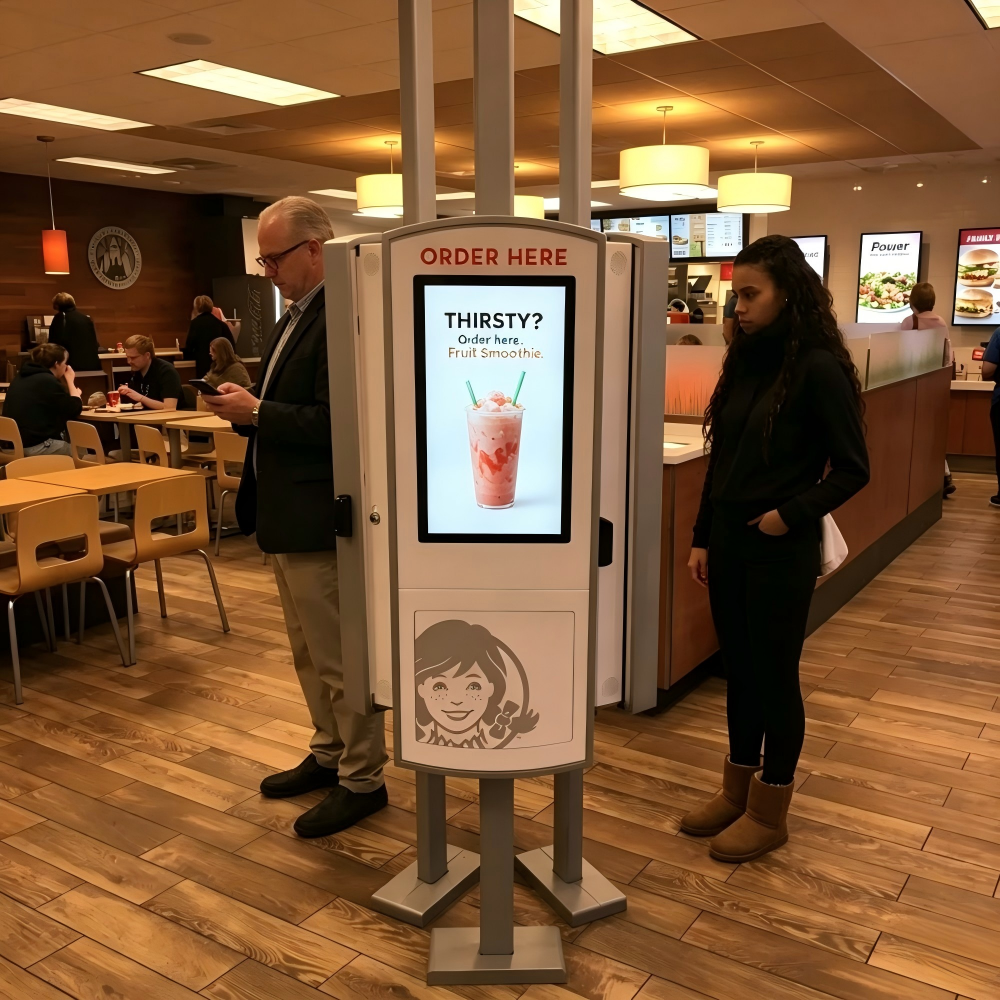
As commercial AV systems become more intelligent and interconnected, display integration has become far more than simply connecting a panel to a controller. Digital signage, interactive kiosks, transportation displays, gaming equipment, and self-service terminals all require display subsystems that operate reliably for years under continuous use.
Many integration issues originate long before a system reaches deployment. Selecting a display solely by size and resolution often leads to compatibility problems during hardware integration or software development. A successful display project requires engineers to evaluate electrical interfaces, power architecture, thermal design, mechanical constraints, controller compatibility, and long-term component availability together rather than individually.
One of the first considerations is interface selection. LVDS remains a widely adopted solution for many commercial LCD modules because of its stability and long operating history. Embedded DisplayPort (eDP) provides higher bandwidth for modern high-resolution displays, while MIPI DSI is commonly used in compact embedded systems where power efficiency and board space are priorities. The optimal interface depends on processor support, cable routing distance, electromagnetic interference requirements, and future scalability rather than simply choosing the newest standard.
Signal integrity is another area that deserves careful attention. Long cable assemblies, poor grounding, improper impedance matching, or insufficient shielding can introduce display artifacts such as flickering, intermittent image loss, or unstable synchronization. These issues often become more noticeable in large commercial installations where displays are installed far from the main control electronics.
Thermal management is equally important. High-brightness displays generate considerably more heat than standard indoor panels, and inadequate ventilation may reduce LED backlight lifetime or affect image stability. Integrators should evaluate enclosure airflow, ambient operating temperature, power supply efficiency, and heat dissipation during the early design stage rather than treating cooling as a final adjustment.
Mechanical integration also influences long-term reliability. Excessive mounting stress, insufficient structural support, or poorly designed bezels can cause panel deformation, uneven backlight performance, or even permanent damage during transportation and operation. Allowing for thermal expansion and using appropriate mounting methods helps improve durability in demanding commercial environments.
Another frequently overlooked factor is lifecycle management. Consumer displays may become unavailable after a relatively short production cycle, whereas commercial AV projects often require replacement units and spare parts for many years. Choosing display components with stable supply and long-term availability simplifies maintenance and reduces future redesign costs.
Engineers should also verify controller compatibility before hardware is finalized. Display timing parameters, firmware support, EDID configuration, touch controller communication, and operating system compatibility all contribute to successful system deployment. Early validation can significantly reduce debugging time during production.
For engineers looking for a more comprehensive discussion covering display interfaces, controller selection, system architecture, and practical integration recommendations, this technical guide provides additional reference material:
Display Interface Selection and System Integration Guide
As commercial AV projects continue to increase in complexity, successful display integration depends on understanding how electrical design, mechanical engineering, thermal management, and long-term supply strategy work together. Investing more effort during the design phase typically results in more reliable systems, lower maintenance costs, and smoother deployment throughout the product lifecycle.
