Top 12 Features of a Real Estate Asset Tokenization Platform in the USA
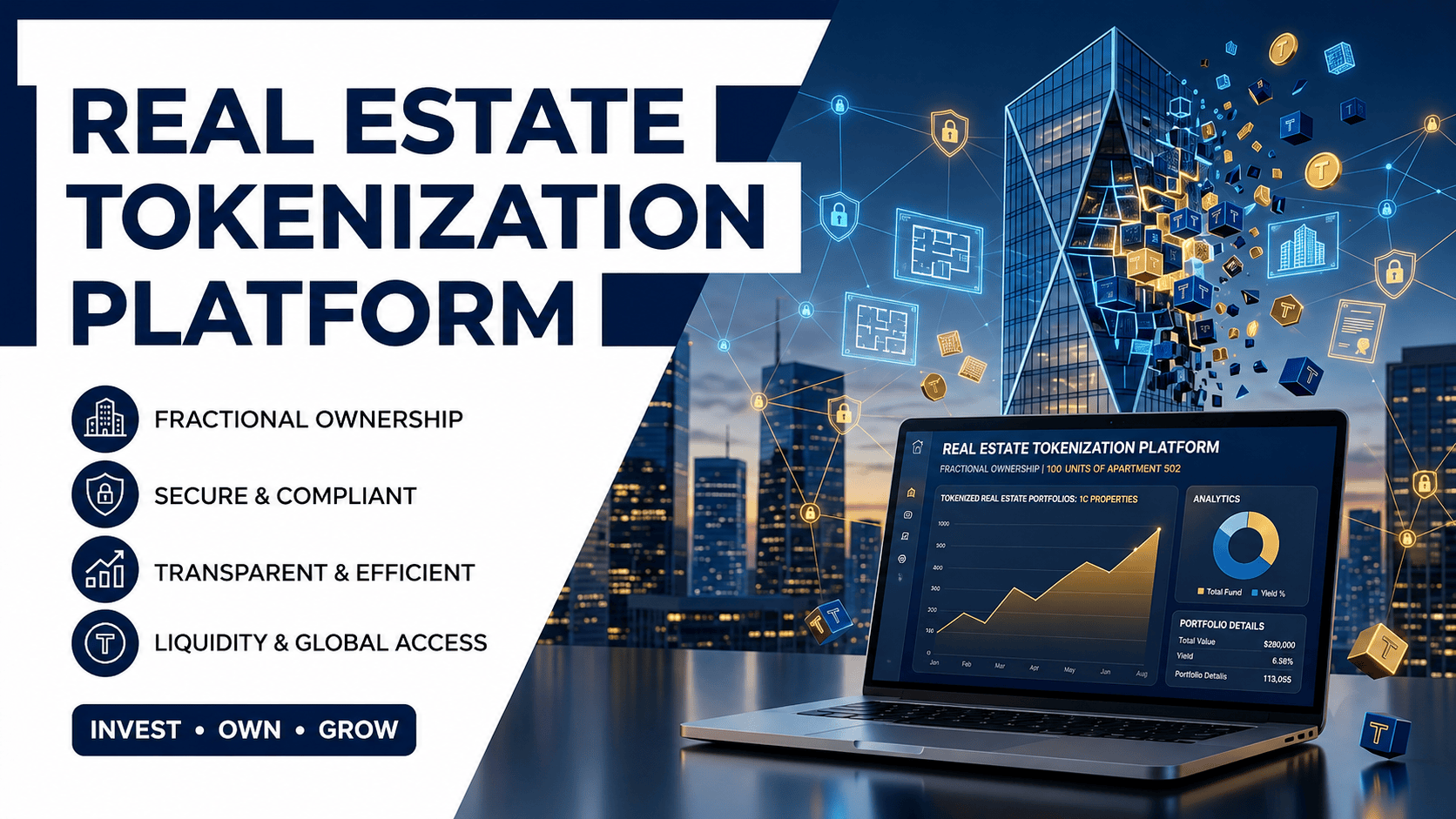
Introduction
The United States real estate market is experiencing a revolution via blockchain. The most innovative thing about this revolution is the real estate asset tokenization that allows property holders to tokenize their physical assets and obtain digital tokens as fractional ownership in them. It increases the liquidity, opens more investment opportunities, and simplifies real estate transactions.
With increasing demand in blockchain-driven real estate products, companies develop real estate tokenization platforms in order to create safe and legally-compliant digital investment systems. An advanced real estate tokenization platform will bring more benefits not only to investors but also to the business itself.
This article will help you understand the top 12 features of a successful real estate tokenization platform.
Why Real Estate Tokenization Is Growing in the USA
Traditional real estate investments often involve high capital requirements, lengthy paperwork, and limited liquidity. Tokenization addresses these challenges by digitizing ownership through blockchain technology.
Some of the key benefits include:
-
Fractional property ownership
-
Increased market liquidity
-
Faster transactions
-
Enhanced transparency
-
Reduced administrative costs
-
Secure digital ownership records
-
Broader investor participation
As the adoption of blockchain technology accelerates, tokenized real estate is becoming an attractive option for developers, investment firms, and property owners.
1. Property Tokenization Engine
The foundation of any tokenization platform is its ability to convert real estate assets into blockchain-based digital tokens.
A robust tokenization engine should support:
-
Residential properties
-
Commercial buildings
-
Rental properties
-
Land parcels
-
Mixed-use developments
The engine should also allow administrators to define ownership structures, token supply, and investment rules.
2. Smart Contract Automation
Smart contracts automate many of the processes involved in property investment, reducing manual intervention and improving efficiency.
Common smart contract functions include:
-
Ownership transfers
-
Rental income distribution
-
Dividend payments
-
Compliance verification
-
Investor rights management
Automation minimizes errors while ensuring transactions remain transparent and secure.
3. Fractional Ownership Management
One of the primary advantages of tokenization is enabling multiple investors to own shares in a property.
The platform should provide:
-
Fractional ownership allocation
-
Ownership tracking
-
Investment history
-
Profit distribution
-
Voting rights management
This feature opens the real estate market to a much wider investor base.
4. Investor Onboarding with KYC & AML
Compliance is critical in real estate investment platforms.
An effective onboarding system should include:
-
Identity verification
-
Document uploads
-
Know Your Customer (KYC)
-
Anti-Money Laundering (AML) checks
-
Risk assessment
These processes help protect both businesses and investors while meeting regulatory requirements.
5. Secure Digital Wallet Integration
Digital wallets enable investors to securely manage tokenized assets and complete transactions.
Essential capabilities include:
-
Token storage
-
Fund transfers
-
Multi-wallet support
-
Transaction history
-
Secure authentication
Wallet integration enhances both convenience and security.
Learn More About Real Estate Tokenization
To know more in detail, click the video link given below.
6. Property Marketplace
A built-in marketplace allows verified investors to buy, sell, or transfer tokenized property shares.
Marketplace features should include:
-
Property listings
-
Real-time pricing
-
Transaction history
-
Investment opportunities
-
Secondary trading support
This improves liquidity and creates a more dynamic investment ecosystem.
7. Compliance Management System
A tokenization platform should incorporate compliance tools that automatically enforce investment regulations.
These may include:
-
Investor eligibility verification
-
Geographic restrictions
-
Transaction monitoring
-
Regulatory reporting
-
Permission-based access
Compliance automation reduces legal risks and simplifies operations.
8. Investment Portfolio Dashboard
An intuitive dashboard enables investors to monitor their assets in one place.
Useful dashboard features include:
-
Portfolio valuation
-
Ownership percentages
-
Rental income reports
-
Transaction records
-
Asset performance analytics
Real-time visibility helps investors make informed decisions.
9. Document Management System
Real estate investments involve numerous legal and financial documents.
A centralized document repository should support:
-
Property deeds
-
Inspection reports
-
Lease agreements
-
Financial statements
-
Tax documents
Blockchain-backed document management enhances security and transparency.
10. Advanced Security Framework
Security is essential for protecting digital assets and investor information.
Key security features include:
-
Data encryption
-
Multi-factor authentication
-
Role-based access controls
-
Smart contract audits
-
Continuous threat monitoring
A strong cybersecurity strategy builds trust and safeguards platform operations.
11. Analytics and Reporting
Comprehensive analytics help both administrators and investors evaluate platform performance.
Reporting tools should provide insights into:
-
Investment activity
-
Property performance
-
Revenue generation
-
User engagement
-
Transaction volumes
Data-driven insights support better business decisions.
12. Multi-Blockchain Compatibility
Modern tokenization platforms increasingly support multiple blockchain networks to improve flexibility and scalability.
Benefits include:
-
Reduced transaction costs
-
Greater interoperability
-
Improved scalability
-
Enhanced ecosystem integration
-
Future-ready infrastructure
Multi-chain support allows businesses to adapt as blockchain technologies continue to evolve.
Benefits of a Feature-Rich Real Estate Tokenization Platform
A well-designed platform offers numerous advantages for businesses and investors alike.
Some of the major benefits include:
-
Improved operational efficiency
-
Faster property transactions
-
Increased investment accessibility
-
Enhanced transparency
-
Better regulatory compliance
-
Greater liquidity
-
Reduced administrative overhead
-
Stronger investor confidence
These benefits contribute to a more efficient and inclusive real estate investment ecosystem.
Emerging Trends in Real Estate Tokenization
The tokenization landscape continues to evolve with advancements in blockchain technology.
Institutional Adoption
Large financial institutions are exploring tokenized real estate investment opportunities.
AI-Powered Property Analysis
Artificial intelligence is being integrated to improve property valuation and investment recommendations.
Cross-Chain Interoperability
Platforms are increasingly supporting multiple blockchain ecosystems to maximize flexibility.
Automated Compliance
Regulatory technologies are simplifying investor verification and transaction monitoring.
Global Investment Opportunities
Tokenization enables international investors to access US real estate markets more efficiently.
Frequently Asked Questions (FAQs)
What is a real estate asset tokenization platform?
It is a blockchain-based platform that converts ownership of real estate assets into digital tokens, enabling secure investment, management, and trading.
Why is smart contract automation important?
Smart contracts automate ownership transfers, income distribution, and compliance processes while reducing manual effort.
Can investors own fractions of a property?
Yes. Tokenization enables fractional ownership, allowing multiple investors to own portions of a property.
Why is compliance essential?
Compliance ensures that investor verification, transactions, and platform operations meet applicable legal and regulatory requirements.
Which blockchain networks are commonly used?
Ethereum, Polygon, Solana, Avalanche, and Hyperledger are among the popular blockchain networks used for real estate tokenization projects.
Conclusion
Real estate asset tokenization is bringing revolutionary changes in the process of property purchase, management, and investments all across America. Through integration of blockchain technology and reliable digital infrastructure, companies can develop solutions that will enhance transparency, liquidity, and performance.
Making investments in tokenization platform development allows creating rich ecosystems featuring various tools such as fractional property ownership, smart contract management, investor onboarding, digital wallets, regulatory compliance management, and analytics.
As more and more companies realize the potential of blockchain technologies, those which emphasize security, compliance, scalability, and user experience will have significant advantages in the coming digital real estate investments world. A tokenization platform is no longer an innovative solution—it is already a strategy.