AI Integration for Manufacturing Companies in Grenada
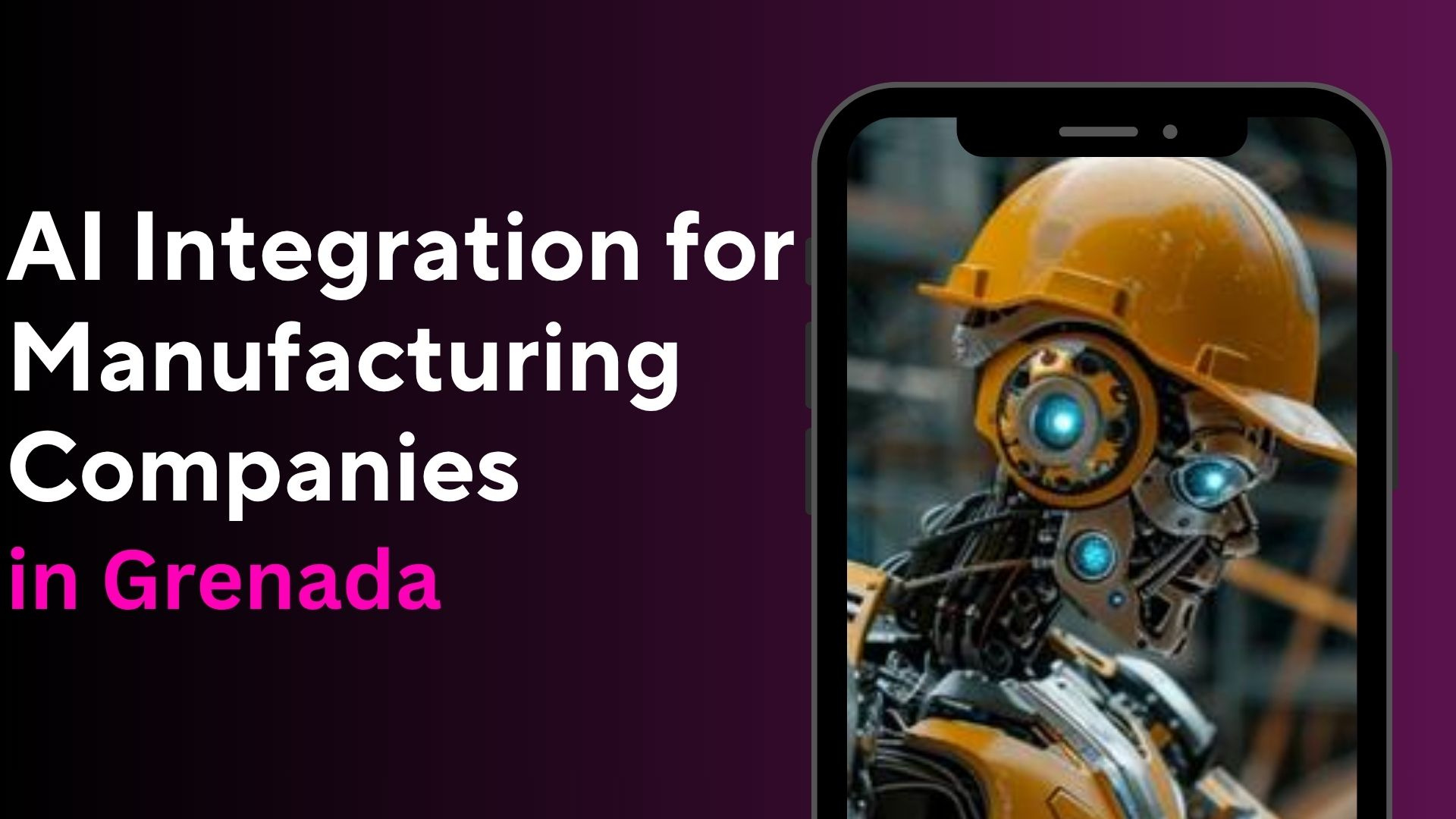
The manufacturing sector in Grenada is embracing digital transformation to improve efficiency, reduce operational costs, and remain competitive in regional and global markets. From food and beverage production to packaging, construction materials, and light manufacturing, businesses are exploring innovative technologies to streamline operations.
Artificial Intelligence (AI) has become a key driver of this transformation. By automating repetitive tasks, optimizing production processes, and delivering real-time insights, AI helps manufacturers improve productivity and make smarter business decisions. Partnering with a custom AI Integration company ensures that AI solutions are tailored to the unique needs of each manufacturing operation.
Why AI Matters for Manufacturing in Grenada
Manufacturing businesses in Grenada often face challenges such as rising operational costs, supply chain disruptions, equipment downtime, and increasing customer expectations. AI addresses these issues by enabling intelligent automation and predictive analytics.
Some of the key benefits include:
- Increased production efficiency
- Reduced equipment downtime
- Better inventory management
- Improved product quality
- Lower operational costs
- Enhanced demand forecasting
- Greater workplace safety
Top AI Integration Companies for Manufacturing
Choosing the right technology partner is essential for successful AI implementation. Here are some companies that provide AI integration services for manufacturers.
1. Apptunix
Apptunix is a technology company that develops custom AI solutions for businesses across multiple industries, including manufacturing. The company offers AI integration, workflow automation, predictive analytics, machine learning solutions, and enterprise software development. As a custom AI Integration company, Apptunix focuses on building tailored AI systems that integrate with existing manufacturing software, helping businesses improve efficiency, automate operations, and make data-driven decisions.
2. Accenture
Accenture provides enterprise AI consulting and digital transformation services for manufacturers. Its solutions include intelligent automation, predictive maintenance, supply chain optimization, and AI-powered analytics to improve operational performance.
3. IBM Consulting
IBM Consulting helps manufacturers implement AI technologies using advanced analytics, machine learning, industrial IoT, and intelligent automation. Its solutions support predictive maintenance, quality assurance, and smarter manufacturing processes.
4. Deloitte
Deloitte offers AI strategy, implementation, and digital transformation services for manufacturing organizations. The company helps businesses modernize production systems, optimize operations, and leverage AI for long-term growth.
5. Cognizant
Cognizant delivers AI-powered manufacturing solutions, including process automation, smart factory implementation, predictive maintenance, and intelligent supply chain management.
Key AI Applications in Manufacturing
Predictive Maintenance
AI analyzes machine performance data to detect potential equipment failures before they occur. This reduces unexpected downtime, lowers maintenance expenses, and extends the lifespan of manufacturing equipment.
Quality Control
Computer vision and AI-powered inspection systems automatically identify product defects during production. This improves consistency, minimizes waste, and enhances customer satisfaction.
Smart Inventory Management
AI forecasts inventory requirements based on historical sales, production schedules, and market demand. Manufacturers can reduce excess inventory while preventing stock shortages.
Production Planning
AI optimizes production schedules by analyzing workforce availability, machine capacity, customer orders, and raw material supplies. This improves resource utilization and minimizes production delays.
Supply Chain Optimization
AI helps manufacturers monitor supplier performance, predict delivery issues, optimize logistics, and improve procurement decisions, creating a more resilient supply chain.
Benefits of Partnering with a Custom AI Integration Company
Every manufacturing business has different operational requirements. Working with a custom AI Integration company allows businesses to implement AI solutions that align with their existing workflows and long-term goals.
Key advantages include:
- Customized AI solutions for specific manufacturing processes
- Seamless integration with ERP, CRM, and production systems
- Scalable technology that grows with the business
- Improved cybersecurity and data protection
- Ongoing technical support and system optimization
AI and Workforce Productivity
AI enhances employee productivity by automating repetitive and time-consuming tasks. Rather than replacing workers, AI enables employees to focus on innovation, quality improvement, and strategic planning.
Common AI-driven automation includes:
- Production reporting
- Inventory tracking
- Equipment monitoring
- Customer order processing
- Operational data analysis
Data-Driven Manufacturing
Manufacturing facilities generate valuable operational data every day. AI converts this data into actionable insights through advanced analytics and real-time monitoring.
Manufacturers gain visibility into:
- Production performance
- Equipment utilization
- Energy consumption
- Material usage
- Manufacturing costs
- Delivery performance
These insights support faster, more informed decision-making.
Sustainable Manufacturing with AI
AI also contributes to sustainability by helping manufacturers optimize resource usage and reduce environmental impact. Intelligent systems can monitor energy consumption, minimize waste, optimize production cycles, and improve recycling processes.
These improvements not only lower operational costs but also support environmental responsibility.
Preparing for AI Integration
Successful AI adoption begins with careful planning. Manufacturers should:
- Assess existing operations.
- Identify areas for automation.
- Develop an AI implementation strategy.
- Integrate AI with current business systems.
- Train employees.
- Monitor performance and optimize continuously.
Partnering with an experienced custom AI Integration company helps ensure a smooth implementation process and maximizes return on investment.
Conclusion
AI is transforming the manufacturing industry by improving productivity, reducing costs, and enabling smarter business decisions. For manufacturing companies in Grenada, investing in AI is becoming an essential step toward long-term competitiveness.
By partnering with a trusted custom AI Integration company such as Apptunix, manufacturers can implement tailored AI solutions that integrate seamlessly with existing operations while supporting future growth. As AI technologies continue to evolve, businesses that embrace intelligent automation today will be well-positioned to achieve greater efficiency, innovation, and sustainable success.
FAQs
1. How can AI improve manufacturing operations?
AI helps automate production, predict equipment failures, optimize inventory, improve quality control, and reduce operational costs.
2. Is AI integration expensive for manufacturers?
Costs vary depending on business size, infrastructure, and project complexity. Many manufacturers begin with small AI projects before scaling.
3. Can AI work with existing manufacturing software?
Yes. Modern AI solutions can integrate with ERP systems, MES platforms, CRM software, and other existing business applications.
4. What are the biggest benefits of AI in manufacturing?
Higher productivity, reduced downtime, better quality assurance, improved forecasting, and increased operational efficiency.
5. How long does AI implementation take?
Small AI projects may take a few weeks, while enterprise-wide implementations can take several months.

A results-driven Senior Business Development Manager with extensive experience in technology consulting, strategic partnerships, and client relationship management. Specializing in digital transformation, mobile app development, custom AI integration solutions, and custom software development, he helps startups, SMEs, and enterprises identify growth opportunities and bring innovative ideas to market.
With a strong understanding of emerging technologies and business strategy, he excels at aligning client objectives with scalable digital solutions. His expertise includes lead generation, stakeholder engagement, solution consulting, contract negotiations, and revenue growth. Passionate about delivering value-driven outcomes, he focuses on building long-term partnerships and helping businesses achieve sustainable success through technology.