The Wellness Industry Embraces Mental Health App Growth
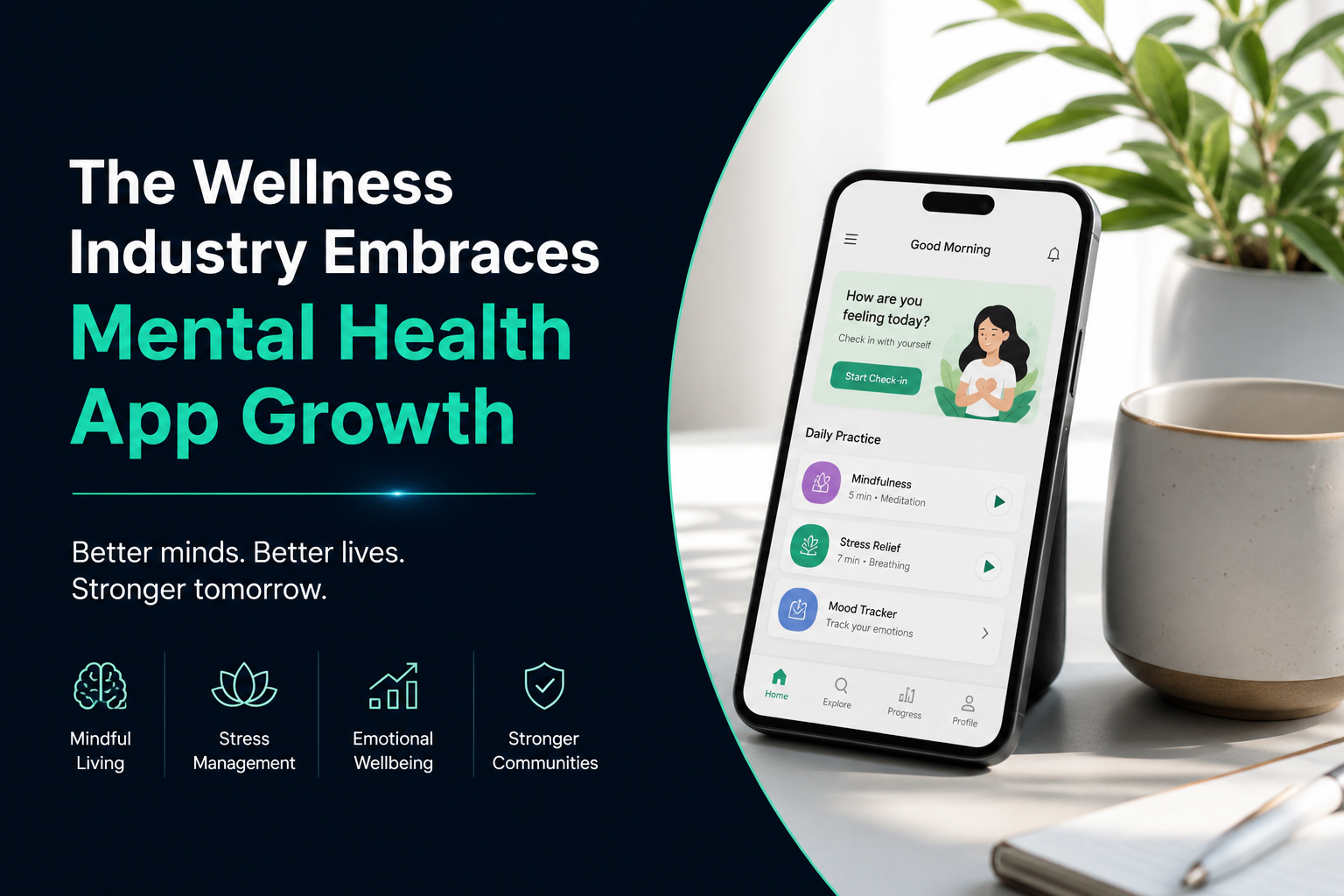
Mental wellness has become a core part of modern healthcare rather than an optional service. Rising stress levels, workplace burnout, anxiety disorders, and limited access to traditional therapy have encouraged people to seek digital solutions that fit into their daily lives. Smartphones now serve as personal wellness companions, offering guided meditation, mood tracking, therapy sessions, cognitive behavioral therapy (CBT) exercises, and AI-assisted emotional support.
The growing demand has encouraged healthcare providers, startups, employers, and wellness brands to invest in digital mental health platforms. Working with a trusted mental health app development company allows organizations to transform evidence-based care into secure, scalable, and engaging mobile experiences that improve accessibility while supporting long-term user engagement.
Growing Consumer Expectations Are Reshaping Digital Wellness Platforms
Mental health applications have evolved far beyond simple meditation tools. Users expect personalized experiences that adapt to their emotional state, behavioral patterns, and wellness goals. Whether someone needs professional counseling, stress management, habit formation, or guided breathing sessions, digital platforms are expected to deliver relevant support without creating unnecessary complexity.
The wellness industry has responded by integrating advanced technologies such as artificial intelligence, wearable connectivity, predictive analytics, and secure telehealth capabilities. These innovations make digital care more proactive instead of reactive, allowing users to monitor their emotional well-being before symptoms become severe.
Organizations entering this market increasingly prioritize mental health mobile app development services that combine clinical knowledge with intuitive user experiences. The result is software that encourages continuous engagement rather than occasional usage.
Modern Mental Health Applications Need More Than Basic Features
Successful wellness platforms balance functionality with empathy. Users trust applications that feel supportive instead of overwhelming, making thoughtful product design just as important as technical excellence.
Core capabilities often include:
Personalized Mental Wellness Journeys
Applications analyze user behavior, mood entries, therapy progress, and wellness goals to recommend personalized exercises, coping strategies, and educational content.
Secure Virtual Therapy Sessions
Encrypted video consultations, appointment scheduling, digital prescriptions, and therapist messaging improve accessibility while protecting sensitive health information.
AI-Powered Emotional Insights
Machine learning identifies emotional patterns from journal entries, questionnaires, and behavioral trends, allowing users to recognize triggers and develop healthier routines.
Progress Monitoring And Wellness Reports
Interactive dashboards display mood history, meditation consistency, sleep quality, and therapy milestones, helping users visualize long-term improvement.
Technology Innovation Is Expanding Mental Healthcare Accessibility
Limited therapist availability remains a major challenge across many regions. Digital platforms bridge that gap by offering immediate guidance, educational resources, and professional connections without geographical limitations.
Artificial intelligence has become particularly valuable in supporting therapists rather than replacing them. Smart chat assistance, symptom screening, appointment management, and personalized recommendations reduce administrative burdens while allowing healthcare professionals to spend more time delivering care.
Cloud infrastructure also enables organizations to scale services efficiently during periods of high demand. Combined with secure APIs, wearable integrations, and electronic health record compatibility, modern mental health app development delivers comprehensive digital ecosystems rather than isolated mobile applications.
As accessibility improves, individuals receive timely support regardless of location, work schedule, or mobility limitations.
Why Wellness Brands Prioritize Professional Development Expertise
Creating healthcare software requires much more than attractive interfaces. Privacy regulations, clinical workflows, accessibility standards, and secure infrastructure all influence the quality of the final product.
A specialized development partner understands both healthcare compliance and consumer expectations. From architecture planning to deployment, experienced teams reduce technical risks while accelerating product delivery.
Organizations typically look for expertise in:
Healthcare Compliance And Security Standards
Applications handling sensitive medical information must comply with healthcare regulations while implementing encrypted communication, secure authentication, and protected cloud storage.
User-Centered Product Design
Interfaces should minimize cognitive overload, encourage regular engagement, and support users during emotionally challenging moments with clear, intuitive navigation.
Scalable Platform Architecture
As user adoption grows, platforms should accommodate increasing traffic, expanding feature sets, and multiple service providers without sacrificing performance.
Future Trends Influencing Mental Wellness Application Success
Consumer expectations continue evolving alongside digital healthcare innovation. Organizations preparing for future growth are already investing in technologies that extend beyond conventional therapy experiences.
Emerging trends include voice-enabled emotional assistance, AI-generated wellness plans, immersive mindfulness experiences using augmented reality, and wearable-based stress monitoring. Predictive analytics can identify behavioral changes before emotional conditions worsen, enabling preventive interventions.
Many providers are also incorporating family wellness programs, corporate employee assistance platforms, and pediatric mental health modules within a single ecosystem. These broader service offerings increase engagement while expanding market reach.
Companies adopting mental health therapy app development strategies with flexible architectures remain better positioned to introduce future capabilities without rebuilding entire systems.
Choosing A Development Partner That Supports Long-Term Product Growth
Selecting a technology partner should involve much more than comparing development costs. Product success depends on strategic planning, technical expertise, regulatory understanding, and ongoing support after launch.
Important evaluation factors include:
- Healthcare software development experience
- Proven knowledge of security and compliance requirements
- Experience integrating AI and telehealth capabilities
- Scalable cloud infrastructure expertise
- Transparent communication throughout development
- Long-term maintenance and feature enhancement support
Reliable mental health app development services extend beyond coding by helping businesses refine user journeys, improve engagement metrics, and respond to changing healthcare demands.
Business Value Created Through Digital Mental Wellness Solutions
Mental wellness applications generate measurable value for multiple stakeholders. Healthcare organizations expand patient reach, employers improve workforce well-being, insurers encourage preventive care, and startups create sustainable digital health businesses.
Benefits include improved patient engagement, reduced operational overhead, higher appointment efficiency, stronger data-driven decision-making, and continuous service availability. Digital platforms also produce valuable behavioral insights that support personalized care planning without compromising user privacy.
Organizations investing in comprehensive mental health app development solutions gain flexibility to expand services as healthcare needs evolve, supporting sustainable innovation while improving the overall patient experience.
Building Sustainable Growth Within The Wellness Technology Market
The mental wellness industry continues moving toward integrated, accessible, and personalized digital healthcare. Consumers increasingly expect platforms that combine therapy, self-care, emotional tracking, education, and preventive support within one seamless experience.
Technology alone cannot create meaningful mental health outcomes. Successful products combine evidence-based care, secure engineering, intuitive design, and continuous innovation. Organizations partnering with an experienced mental health app development company can deliver trusted digital solutions that strengthen patient relationships while creating scalable opportunities within the expanding wellness economy.
As awareness surrounding emotional well-being continues growing worldwide, thoughtfully designed mental health applications will remain an essential part of modern healthcare delivery.
Frequently Asked Questions
How long does it usually take to develop a mental health application?
Project timelines vary depending on features, integrations, compliance requirements, and testing. A basic application may require several months, while enterprise-grade platforms with AI, telehealth, and wearable integrations typically take longer to design, develop, and validate.
Can mental health applications integrate with wearable fitness devices?
Yes. Modern wellness applications commonly connect with smartwatches and fitness trackers to collect sleep patterns, heart rate, activity levels, and stress indicators. These insights help create more personalized wellness recommendations.
What monetization models work best for mental health apps?
Popular revenue models include subscription plans, therapist consultation fees, corporate wellness programs, premium content memberships, insurance partnerships, and pay-per-session services. The ideal approach depends on the application's audience and business goals.
Why is ongoing maintenance important after launching a mental health app?
Regular maintenance keeps applications secure, compatible with new operating systems, and responsive to changing user expectations. Continuous updates also improve performance, introduce new wellness features, and address emerging security requirements.