
The Growing Impact of Machine Learning on Web Application Development
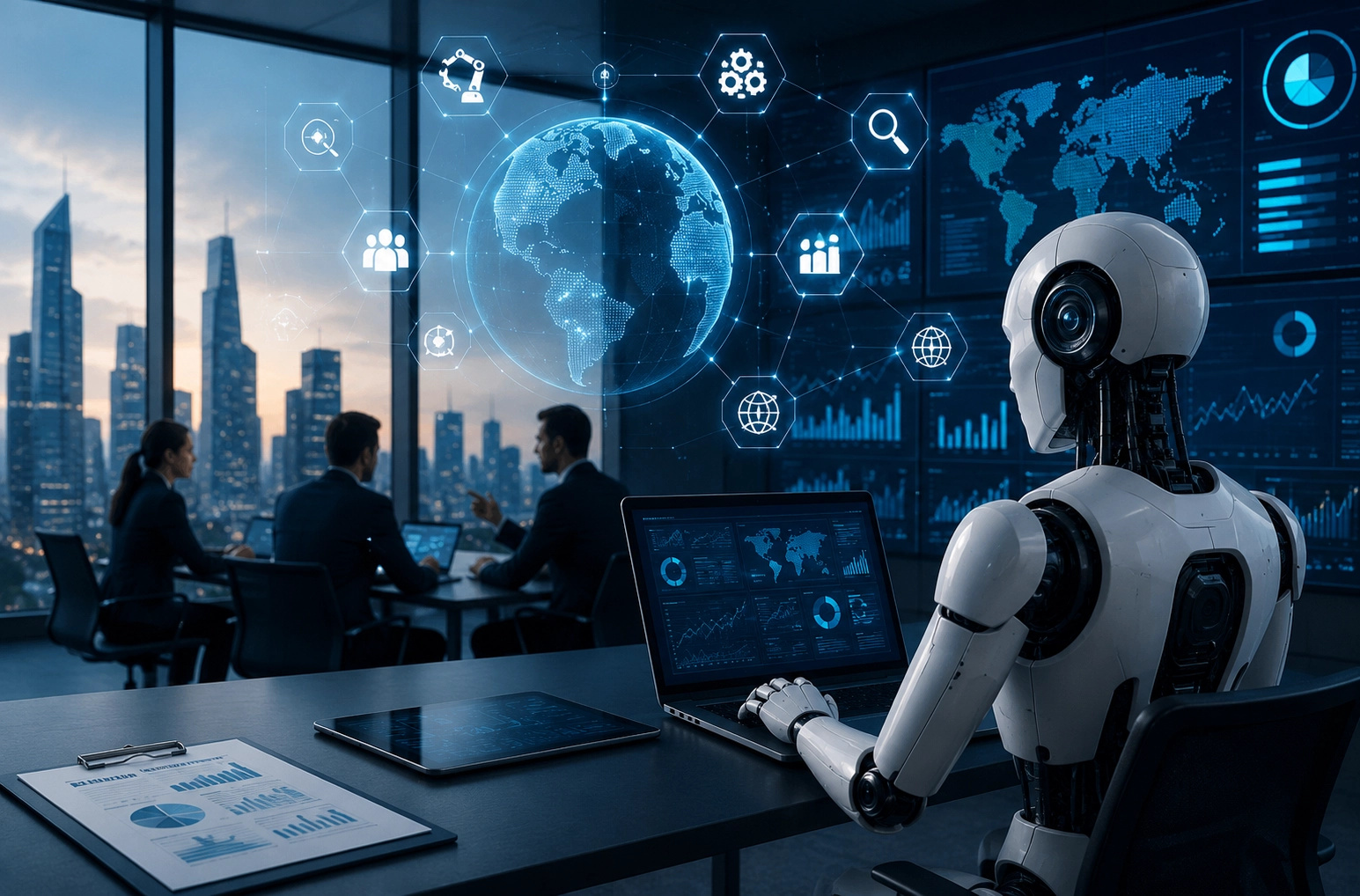
Today’s web applications are much more than static websites or traditional online services. Modern businesses are expected to provide personalized, intelligent, and highly responsive digital experiences. This transformation is driven by machine learning in web applications. These systems can analyze data, learn from user behavior, and make decisions in real time.
The Rise of Intelligent Web Experiences
Users now expect applications to understand their preferences, anticipate their needs, and deliver relevant suggestions instantly. Machine learning makes this possible by processing vast amounts of data and identifying patterns that would be difficult to discover using traditional programming.
ML is transforming how modern applications interact with users, from personalized content feeds to intelligent search functionality and automated customer support. As organizations continue generating and collecting more data, incorporating ML capabilities into web application development has become a strategic priority rather than an optional enhancement.
How Machine Learning Enhances Web Applications
One of the most significant benefits of machine learning is its ability to continuously improve with more data. ML-powered applications are dynamic and learn from user interactions, unlike rule-based applications that require manual updates.
Typical applications include:
-
Customized Recommendations: Streaming services, eCommerce platforms, and content websites use machine learning algorithms to recommend products, services, or content tailored to individual users. These recommendations are based on browsing history, purchasing behavior, and engagement patterns.
-
Smart Search & Predictive Navigation: Search has become much more intelligent with machine learning. By understanding user intent, offering relevant recommendations, and improving search accuracy, modern applications provide a smoother user experience.
-
Fraud Protection & Security: In finance and eCommerce, machine learning models can identify unusual patterns and detect potential fraudulent activities. These systems continuously analyze transaction data, enhancing security while reducing false positives.
-
Smart Customer Support: Web platforms are increasingly using AI-powered chatbots and virtual assistants. These tools can answer frequently asked questions, automate support processes, and provide instant assistance, improving customer satisfaction while lowering operational costs.
Benefits of Integrating Machine Learning in Business
Organizations that have adopted machine learning in web applications are experiencing measurable benefits across various aspects of their operations. One of the most noticeable outcomes is improved customer engagement. Personalizing the user experience increases the likelihood of conversions and encourages users to spend more time on the application. It also supports better decision-making by uncovering valuable insights from large datasets.
Automation further helps reduce manual effort by streamlining repetitive tasks. This enables businesses to focus more resources on innovation, product development, and long-term strategic growth. As competition continues to grow across industries, machine learning offers an excellent opportunity to build smarter and more differentiated digital products.
The Role of AI and ML Development Expertise
Successfully implementing machine learning is not just about integrating algorithms into an application. Scalable architectures, reliable data pipelines, and frameworks for model training and continuous performance monitoring are essential. This is where specialized AI and machine learning development services become valuable.
AI-focused development teams help organizations identify the right use cases, choose appropriate models, and integrate machine learning capabilities into existing systems without compromising performance or security.
Experienced developers ensure that machine learning initiatives deliver measurable business value, whether the solution involves a recommendation engine, predictive analytics platform, intelligent chatbot, or automated workflow.
To Conclude
The future of web application development is intelligent, adaptive, and data-driven. As machine learning technologies become more advanced and widely available, businesses will continue using them to create applications that understand users, automate decision-making, and continuously improve over time.
Organizations that embrace machine learning in web applications today will be better prepared to meet changing customer expectations, unlock new opportunities, and remain competitive in an increasingly digital landscape. AI-driven innovation is no longer just a competitive advantage—it has become essential for sustainable business growth and long-term success.


Please sign in or register for FREE
If you are a registered user on AVIXA Xchange, please sign in