
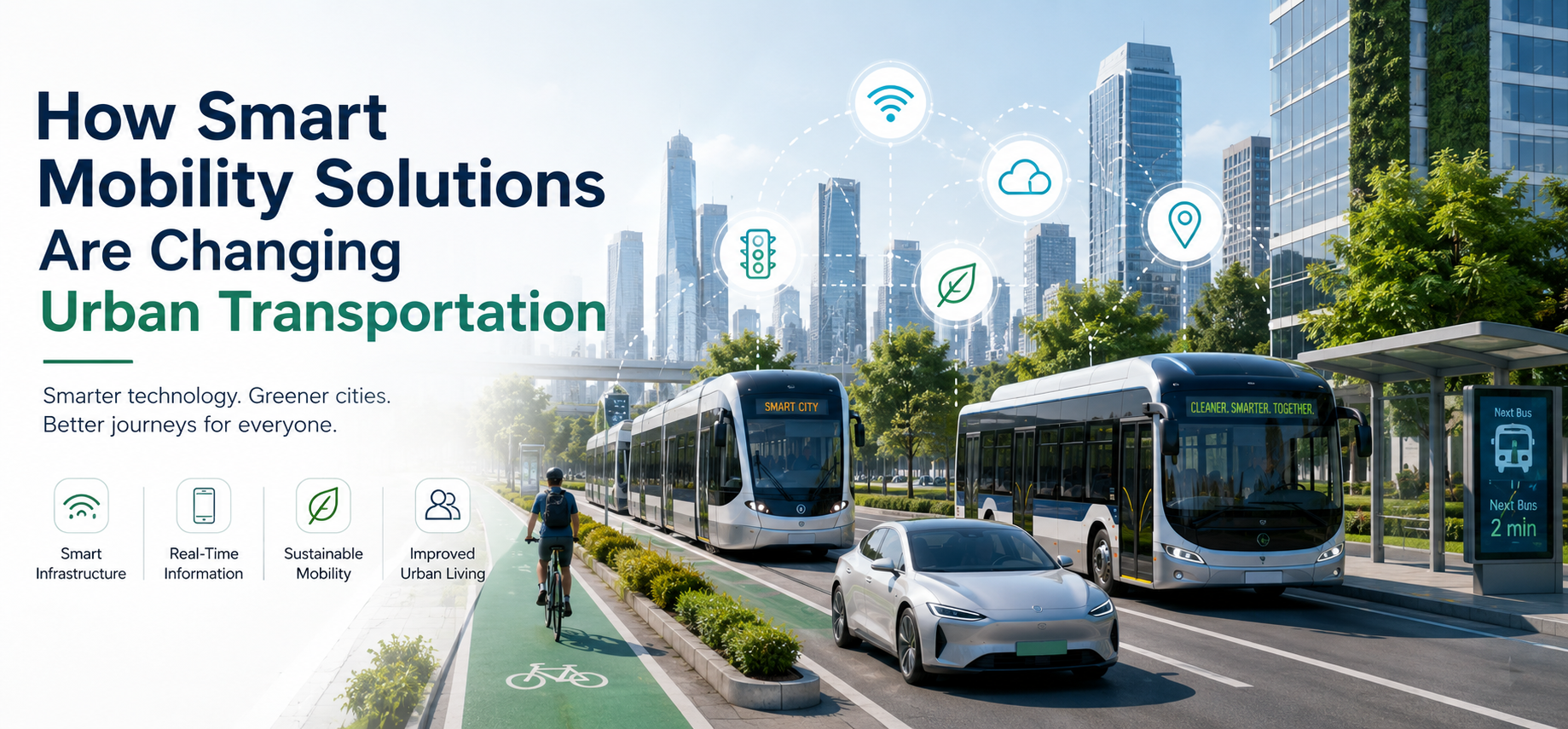
Urban transportation is undergoing a significant transformation. Rapid population growth, increasing traffic congestion, environmental concerns, and changing commuter expectations have pushed cities to adopt smarter and more efficient transportation systems. Smart mobility solutions are emerging as the answer to these challenges by leveraging advanced technologies such as Artificial Intelligence (AI), Internet of Things (IoT), cloud computing, and real-time data analytics.
From ride-hailing applications and smart parking systems to connected public transit networks, smart mobility solutions are revolutionizing the way people travel. Businesses, governments, and transportation providers are increasingly investing in digital mobility platforms to improve efficiency, reduce costs, and enhance user experiences.
At Comfygen Technologies, we specialize in developing innovative smart taxi app development solutions that help businesses build scalable, secure, and future-ready transportation platforms.
Challenges in Modern Urban Transportation
Modern cities face several transportation challenges that impact both commuters and service providers.
- Traffic Congestion:- Road congestion has become one of the biggest problems in urban areas. Increased vehicle ownership and inadequate transportation infrastructure often lead to delays and reduced productivity.
- Environmental Concerns:- Traditional transportation systems contribute significantly to carbon emissions and air pollution. Cities worldwide are seeking sustainable mobility alternatives to reduce their environmental footprint.
- Inefficient Public Transport:- Many public transportation systems struggle with route planning, overcrowding, and schedule management, resulting in poor commuter experiences.
- Parking Issues:- Finding parking spaces in busy urban areas remains a major challenge. This leads to increased fuel consumption and unnecessary traffic congestion.
- Rising Transportation Costs:- Fuel prices, vehicle maintenance expenses, and operational costs continue to increase, making transportation management more complex for businesses.
Key Technologies Powering Smart Mobility
Smart mobility solutions rely on several advanced technologies that enable intelligent transportation systems.
Artificial Intelligence and Machine Learning
AI helps analyze massive amounts of transportation data to optimize routes, predict traffic conditions, and improve decision-making.
Key applications include:
- Predictive traffic management
- Dynamic pricing models
- Driver behavior analysis
- Demand forecasting
- Personalized travel recommendations
Internet of Things (IoT)
IoT devices connect vehicles, infrastructure, and users through sensors and real-time communication networks.
Benefits include:
- Vehicle tracking
- Smart traffic monitoring
- Fleet management
- Real-time route updates
Big Data Analytics
Transportation platforms generate vast amounts of data daily. Big data analytics helps organizations extract actionable insights for operational improvements.
Cloud Computing
Cloud infrastructure enables scalability, data storage, and seamless integration across transportation ecosystems.
Types of Smart Mobility Solutions
Ride-Hailing Applications
Ride-hailing platforms have transformed urban transportation by providing convenient, on-demand mobility services.
Popular features include:
- Real-time ride booking
- GPS tracking
- Fare estimation
- Multiple payment methods
- Driver-passenger matching
Car-Sharing Platforms
Car-sharing services allow users to rent vehicles for short periods, reducing the need for personal vehicle ownership.
Smart Parking Solutions
Smart parking applications help users locate available parking spaces through real-time data.
Key benefits include:
- Reduced traffic congestion
- Better parking utilization
- Improved user convenience
Mobility-as-a-Service (MaaS)
MaaS integrates multiple transportation services into a single digital platform, enabling users to plan, book, and pay for various transportation options through one application.
Benefits of Smart Mobility for Cities and Businesses
- Reduced Traffic Congestion:- Real-time traffic monitoring and intelligent route optimization help minimize congestion and improve traffic flow.
- Enhanced User Experience:- Smart mobility platforms offer seamless booking experiences, real-time updates, and personalized recommendations.
- Lower Operational Costs:- Automation and predictive analytics help businesses reduce transportation-related expenses.
- Increased Revenue Opportunities:- Transportation companies can generate additional revenue through subscription models, dynamic pricing, and value-added services.
- Improved Sustainability:- Shared mobility solutions and electric vehicle integration contribute to greener transportation systems.
Role of AI in Urban Transportation
Artificial Intelligence is one of the most influential technologies driving smart mobility innovation.
- Intelligent Route Optimization:- AI algorithms analyze traffic conditions, road closures, and weather patterns to recommend the most efficient routes.
- Dynamic Pricing:- Ride-hailing companies use AI-powered pricing systems to balance supply and demand during peak hours.
- Predictive Maintenance:- AI helps transportation providers identify potential vehicle issues before they result in breakdowns.
- Demand Forecasting:- Machine learning models predict transportation demand based on historical and real-time data.
- Smart Traffic Management:- Cities use AI to optimize traffic signals and reduce congestion through intelligent traffic control systems.
Smart Mobility and Sustainable Transportation
Sustainability is becoming a critical focus for modern transportation systems.
- Promoting Shared Mobility:-Ride-sharing and car-sharing services reduce the number of vehicles on the road.
- Supporting Electric Vehicles:- Smart mobility platforms increasingly support EV fleets and charging infrastructure integration.
- Reducing Carbon Emissions:- Optimized routes and efficient transportation planning contribute to lower fuel consumption and emissions.
- Creating Smart Cities:- Integrated mobility systems play a vital role in developing sustainable and connected urban environments.
Challenges in Implementing Smart Mobility Solutions
Despite numerous advantages, implementing smart mobility systems comes with challenges.
- Data Privacy and Security:- Transportation platforms must protect sensitive user and operational data.
- Infrastructure Requirements:- Smart mobility solutions require reliable communication networks and digital infrastructure.
- Regulatory Compliance:- Transportation providers must comply with regional regulations and safety standards.
- High Initial Investment:- Developing advanced mobility solutions often requires significant upfront investment.
- Technology Integration:- Integrating multiple systems and transportation services can be complex.
Future Trends in Smart Mobility
The future of urban transportation is being shaped by emerging technologies and evolving consumer demands.
- Autonomous Vehicles:- Self-driving vehicles are expected to revolutionize transportation efficiency and safety.
- Connected Transportation Ecosystems:- Vehicles, infrastructure, and users will become increasingly interconnected through advanced communication technologies.
- AI-Powered Mobility Platforms:- AI will continue to improve traffic management, route optimization, and user experiences.
- Smart City Integration:- Transportation systems will become more closely integrated with broader smart city initiatives.
- Hyper-Personalized Mobility Services:- Future mobility platforms will offer highly customized transportation experiences based on user preferences and behavior.
How Comfygen Technologies Develops Smart Mobility Solutions
Comfygen Technologies is a leading mobility app development company that helps businesses transform transportation services through innovative digital solutions.
Our expertise includes:
- Ride-Hailing App Development
- Taxi Booking App Development
- Car Rental Platform Development
- Fleet Management Solutions
- Mobility-as-a-Service (MaaS) Platforms
- Smart Parking Applications
- AI-Powered Transportation Solutions
- IoT-Enabled Mobility Platforms
Why Choose Comfygen Technologies?
- Experienced mobility app developers
- Custom software development approach
- AI and IoT integration expertise
- Scalable cloud-based architectures
- Enterprise-grade security standards
- End-to-end development support
Whether you're a startup, transportation company, or enterprise organization, our team can help you build innovative smart mobility solutions tailored to your business requirements.
Conclusion
Smart mobility solutions are fundamentally changing urban transportation by making it more efficient, connected, and sustainable. Technologies such as AI, IoT, cloud computing, and data analytics are enabling businesses and cities to address transportation challenges while delivering superior user experiences.
As the demand for intelligent transportation systems continues to grow, organizations that invest in smart mobility technologies today will be better positioned to lead the future of urban mobility.
Comfygen Technologies empowers businesses with cutting-edge smart mobility solution development services, helping them build innovative platforms that drive growth, efficiency, and long-term success.

I'm an SEO Executive and Digital Marketing professional with expertise in search engine optimization, keyword research, on-page and off-page SEO, technical SEO, content strategy, and performance marketing. I help businesses improve their online visibility, drive organic traffic, generate quality leads, and achieve sustainable digital growth through data-driven marketing strategies.
Please sign in
If you are a registered user on AVIXA Xchange, please sign in